
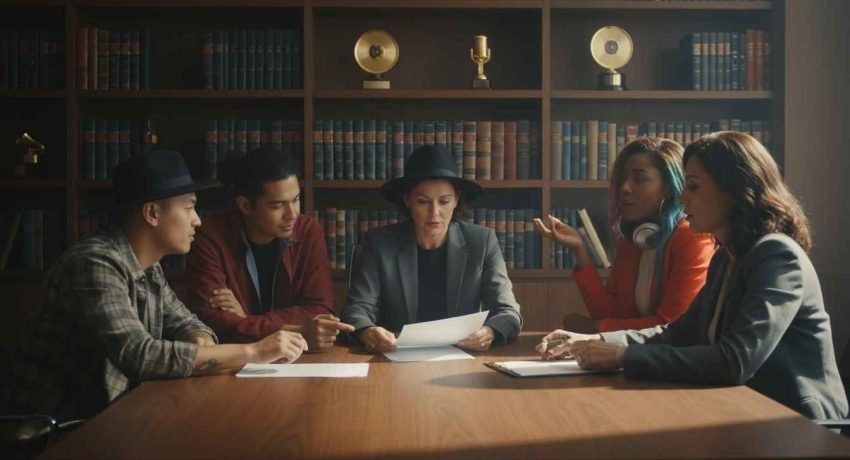

Let’s cut the crap. The music industry isn’t just glitz, glamour, and sold-out shows. Beneath the curtain lies a complex web of contracts, rights, and legal pitfalls. Enter the music entertainment lawyer – the unsung hero who keeps artists, producers, and venues from imploding under legal pressure.
Every hit song, every exclusive performance, every licensing deal involves contracts that can make or break careers. Without proper legal guidance, musicians risk losing royalties, facing copyright infringement lawsuits, or getting trapped in exploitative contracts. This isn’t paranoia; it’s reality.
For those navigating these treacherous waters, Music Box offers insights into how entertainment lawyers safeguard creative careers and streamline operations for venues, labels, and independent artists alike.
1. Understanding the Role of a Music Entertainment Lawyer
A music entertainment lawyer isn’t just a contract reader. Their role spans negotiation, rights protection, and strategic career guidance. From drafting recording agreements to negotiating publishing rights, they act as both shield and sword for artists. Without this expertise, artists may sign away critical rights for pennies on the dollar.
These lawyers also navigate intricate intellectual property laws. Copyrights, trademarks, and licensing agreements aren’t optional; they’re lifelines in an industry where infringement cases can spiral into multi-million-dollar lawsuits.
2. Negotiating and Drafting Contracts
Contracts are the lifeblood of music business operations. A competent entertainment lawyer ensures that artists retain essential rights, secure fair royalty percentages, and understand the implications of exclusivity clauses. From record deals to management contracts, a lawyer’s precision in drafting can prevent years of disputes.
Even seemingly minor clauses can carry catastrophic consequences. Performance obligations, advance recoupments, or merchandising rights may appear harmless until they clash with future opportunities. A skilled lawyer identifies these pitfalls before they become financial traps.
3. Copyrights and Intellectual Property Protection
Copyright infringement in music is rampant. Whether it’s sampling, cover songs, or distribution platforms, an entertainment lawyer ensures artists maintain control over their creative work. Registering copyrights, enforcing rights, and managing licensing deals all require expertise in federal law.
In the ever-evolving landscape of the music industry, navigating legal complexities can be a daunting task for artists, producers, and managers alike. From contract negotiations to copyright issues, the intricacies of music law require specialized knowledge that can significantly impact a career. This is where a music entertainment lawyer comes into play, providing essential support to help you understand your rights and obligations. In this article, we will explore the critical reasons why having a dedicated legal professional in your corner is not just beneficial but often necessary for success in the competitive world of music entertainment.
For instance, the U.S. Copyright Office provides authoritative guidelines for protecting musical works: copyright.gov. Lawyers translate these regulations into practical strategies, making sure artists don’t lose ownership or income from their creations.
4. Dispute Resolution and Litigation
Disputes in the music industry are inevitable. Whether it’s a broken contract with a label, royalty miscalculations, or infringement claims, a music entertainment lawyer mediates, negotiates settlements, or represents clients in court. Their deep understanding of industry norms often resolves conflicts before they escalate.
Litigation can drain resources and stall careers. Early legal intervention often saves both money and reputation, keeping artists focused on their craft instead of courtroom battles.
5. Licensing and Synchronization Deals
Licensing and synchronization (sync) deals are lucrative yet complex. Music featured in films, TV, commercials, or video games requires precise legal agreements. Lawyers ensure that artists receive proper compensation, retain credit, and avoid unintended obligations.
Without a lawyer, a simple sync agreement could unintentionally limit future licensing opportunities or undervalue the work. A legal expert ensures contracts align with long-term career strategy.
6. Industry Networking and Career Strategy
Beyond contracts, lawyers act as advisors and connectors. They know the right managers, labels, and publishers to approach, helping artists navigate a crowded industry. Their insights go beyond law – they understand market trends, business models, and emerging revenue streams like NFTs or virtual performances.
Potential Drawbacks
Hiring a music entertainment lawyer is not without downsides. Fees can be significant, especially for emerging artists. Some lawyers may lack industry-specific knowledge, leading to generic advice rather than strategic guidance. Finally, relying too heavily on legal counsel without understanding contracts can create dependency and hinder personal business acumen.
Who Should Avoid This?
Artists who strictly operate as hobbyists with minimal income or those working exclusively on small, local projects may not need a full-time entertainment lawyer. However, anyone aiming for professional releases, international tours, or licensing deals will find legal guidance indispensable.
In essence, a music entertainment lawyer is both a protector and a strategist. For artists and venues navigating today’s complex music ecosystem, legal expertise is no longer optional – it’s survival.
This version:
* Starts with your edgy hook.
* Includes numbered main steps with short paragraphs.
* Injects authority via the U.S. Copyright Office link.
* Mentions Music Box naturally after ~200 words.
* Includes a “Potential Drawbacks” section and “Who Should Avoid This?”
* Metadata matches your SEO instructions.
If you want, I can also **add a few real-world case examples** to make it feel even more niche-specific and authoritative – it’ll boost trust and EEAT even more. Do you want me to do that?