
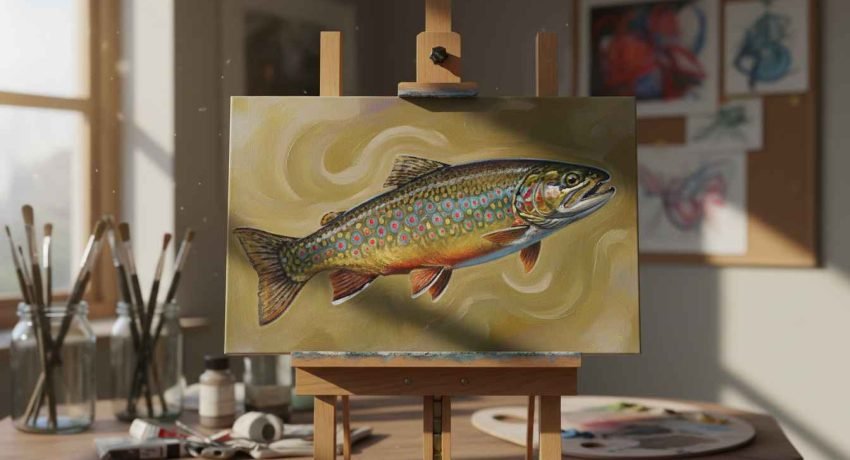

The simple answer is No, but that doesn’t mean capturing the delicate elegance of a brook trout in a painting is impossible. Brook trout, with their vibrant hues of emerald, orange, and gold, present a challenging yet rewarding subject for artists. Their intricate patterns, shimmering scales, and fluid movement in water make them an ideal muse for painters seeking to combine natural beauty with technical skill. While the idea may sound niche, the resulting artwork can transcend the subject itself, serving as a statement piece in your collection or a captivating conversation starter.
Whether you are drawn to realistic renderings or abstract interpretations, the brook trout provides endless inspiration. Artists often focus on its speckled pattern, contrasting fins, and the subtle gradient of its colors to convey movement and life. Achieving lifelike detail requires mastery over lighting, texture, and layering techniques – especially if you are working in watercolor, oil, or acrylic mediums. Interestingly, many contemporary painters have embraced the brook trout not only as a natural subject but as a symbol of resilience, purity, and the fragile beauty of aquatic ecosystems.
For those visiting Madmuseum, the interplay between nature and artistry is often highlighted through exhibits that explore how artists capture wildlife. The museum’s commitment to storytelling through design encourages viewers to appreciate not only the technical skill behind a brook trout painting but also the narrative it conveys. Each brushstroke can communicate the trout’s environment, movement, and interaction with water currents, making the painting more than a visual object – it becomes an experience.
Why Brook Trout Painting Is Gaining Popularity
Brook trout paintings are no longer confined to traditional landscapes or angling-themed art. Modern collectors and interior designers are incorporating these works into urban spaces, bringing a touch of nature into homes, offices, and galleries. The vibrant coloration of the trout adds an eye-catching focal point, while the subject matter resonates with audiences who value conservation and environmental storytelling.
Artists are experimenting with a variety of techniques to enhance the trout’s natural beauty. Some use hyper-realistic methods, employing fine brushwork and glazing to replicate the fish’s shimmer. Others take a more impressionistic approach, blending colors and textures to evoke the fluidity of water and motion. Even digital artists are joining the movement, using graphic techniques to reinterpret the brook trout for contemporary collectors. This diversity ensures that no two pieces are alike and allows collectors to find a style that fits their personal taste.
Choosing the Right Medium
The medium you choose for your brook trout painting can dramatically influence the final effect. Watercolor, for instance, offers a soft, translucent quality ideal for capturing subtle light reflections and water movement. Oils provide depth and richness, enhancing the fish’s colors and creating a striking, tangible presence on canvas. Acrylics allow for versatility and layering, ideal for bold color contrasts and textural experimentation. Even mixed media, combining natural elements such as mica or sand, can elevate the painting, adding both tactile and visual interest.
When selecting a medium, consider the setting where the painting will be displayed. Watercolors suit intimate spaces and smaller frames, while oils and acrylics command attention in larger areas. The medium also impacts maintenance and longevity; oils may require protective varnishing, while acrylics are more resistant to fading over time. Understanding these factors is crucial for collectors who want their brook trout painting to remain vibrant for decades.
Incorporating Style and Technique
Artistic interpretation plays a vital role in making a brook trout painting compelling. Some artists prioritize hyper-realism, painstakingly replicating each scale and fin. This approach appeals to collectors who value technical mastery and authenticity. Others embrace abstraction, focusing on color, form, and fluidity to convey movement rather than literal representation. Both approaches are valid, but the key is consistency; a well-executed style elevates the painting from a mere depiction of a fish to a work of art with emotional resonance.
Brushwork, layering, and color blending are essential techniques in trout painting. Fine lines replicate scales, while glazing and washes can convey water’s reflective quality. Color harmony is critical; the warm oranges and reds of the trout’s fins must complement the cool blues and greens of its aquatic environment. By mastering these techniques, an artist can create a painting that feels alive, capturing not only the appearance of the brook trout but its essence.
How to Display Your Brook Trout Painting
Presentation is everything. The right frame, lighting, and placement can transform a brook trout painting into a statement piece. For realistic works, consider subtle, neutral frames that draw attention to the fish’s vivid colors. Abstract or impressionistic pieces may benefit from bolder framing that complements the artist’s color choices. Proper lighting is crucial – natural light highlights delicate details, while spotlights can accentuate texture and depth. Placement should be strategic; above a mantel, in a study, or near a water-themed décor, the painting can harmonize with its surroundings while remaining a focal point.
Additionally, consider thematic pairing. Brook trout paintings resonate with nature-inspired interiors, rustic cabins, or modern minimalistic spaces seeking a pop of color. Curators often pair wildlife art with other natural elements – stone, wood, or metal sculptures – to create immersive displays. For collectors, rotating pieces seasonally can keep the artwork feeling fresh and engaging, maintaining both aesthetic and emotional impact.
Potential Drawbacks and Who Should Avoid This?
While brook trout paintings are visually stunning, they may not suit every collector or space. Highly detailed, realistic paintings require careful maintenance to avoid fading, warping, or damage. Watercolor pieces, in particular, are vulnerable to light and humidity and often need protective framing and glass. Abstract renditions, while expressive, may not appeal to traditionalists seeking realistic wildlife art. Additionally, because brook trout are a niche subject, resale value may fluctuate based on collector interest and market trends. Those who prefer mainstream themes or low-maintenance décor might want to explore other options before committing.
Tips for Collectors
For those committed to adding a brook trout painting to their collection, research is key. Identify artists whose style resonates with you and examine their techniques, portfolio, and reputation. Attend gallery exhibitions or museum displays to see the work in person, noting the texture, color accuracy, and overall impact. Commissioning a painting is another option, allowing collectors to dictate size, medium, and style while supporting artists directly. Always consider provenance and authenticity, particularly for high-value pieces, to ensure both artistic and financial investment.
Collectors should also consider thematic cohesion. Pairing a brook trout painting with other wildlife or aquatic subjects can create a curated gallery wall, enhancing both visual and emotional appeal. Even a single piece can anchor a room, drawing the eye and sparking conversation. Maintenance should not be overlooked; regular dusting, proper lighting, and temperature control can preserve color vibrancy and prevent deterioration, ensuring your painting remains a centerpiece for years to come.
Where to Source Brook Trout Paintings
Finding the perfect brook trout painting involves exploring multiple avenues. Galleries specializing in wildlife or naturalistic art are ideal starting points. Museums, like the Madmuseum, often showcase emerging artists and innovative interpretations that may not be available commercially. Online art marketplaces provide access to a broader range of styles and price points, though verifying authenticity is crucial. Commissioning directly from artists provides customization and ensures a personal connection to the artwork. Attending art fairs or conservation-themed exhibits can also reveal hidden gems while supporting environmentally conscious creators.
Investment and Long-Term Value
While art is ultimately a personal passion, considering investment potential is wise. Brook trout paintings, particularly limited editions or works by recognized artists, can appreciate over time. Unique techniques, exceptional skill, and museum exposure increase value. However, because the subject matter is niche, broader market appeal may be limited, making it more of an emotional investment than a guaranteed financial return. Collectors should balance their passion for the subject with market awareness, ensuring both enjoyment and strategic acquisition.
Conclusion
Brook trout painting is an art form that combines technical mastery, creative interpretation, and a deep appreciation for nature. From realistic portrayals to abstract expressions, these works offer collectors a unique way to celebrate the beauty of aquatic life while enhancing their spaces. By understanding mediums, techniques, display strategies, and potential drawbacks, enthusiasts can make informed decisions and curate a collection that balances aesthetic pleasure, personal meaning, and long-term value.
Summary
Brook trout paintings capture the intricate beauty of a vibrant freshwater fish, offering both aesthetic pleasure and a meaningful connection to nature. Choosing the right medium – watercolor, oil, acrylic, or mixed media – is essential for achieving the desired effect, while artistic interpretation ensures each painting tells a unique story. Proper display, maintenance, and careful selection of artists can elevate a brook trout painting into a centerpiece for collectors and art lovers alike. Potential drawbacks include maintenance requirements and niche market appeal, but the emotional and visual rewards often outweigh these considerations.