
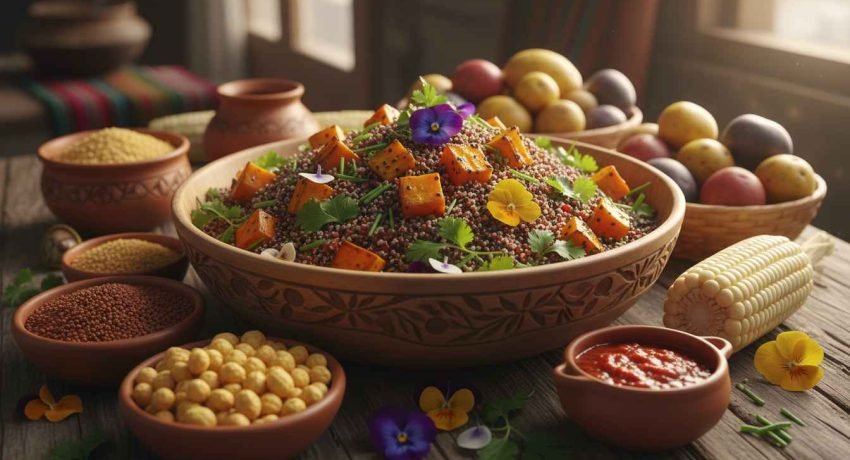

Ready? Set. Go. The sun rises over the Andes, casting golden light on terraces where potatoes, quinoa, and maize have thrived for centuries. As a competitive e-sports player, mornings are usually reserved for sharp focus and strategy – but today, my challenge is different: bringing the energy of Inca food recipes into my day.
Breakfast begins with a warm bowl of quinoa porridge, subtly sweetened with native fruits like lúcuma and a touch of honey. The nutty texture fuels long gaming sessions, giving sustained energy without the crash of modern snacks. In the Inca era, quinoa was considered sacred, a superfood that powered warriors and laborers alike. Mixing it with milk or plant-based alternatives creates a creamy consistency that comforts both body and mind.
By mid-morning, I take a short break to prepare a simple snack: roasted cancha corn. This puffed corn is crunchy, lightly salted, and surprisingly filling. As I munch, I reflect on how ancient Peruvians cleverly used natural preservation methods – like drying and roasting – to extend the life of their staples. These are techniques we can still embrace today for wholesome, minimally processed foods. For a deeper dive into these traditions, check out Mediterranean Taste.
Lunch is where Inca ingenuity truly shines. I assemble a vibrant bowl featuring roasted sweet potatoes, grilled fish, and a drizzle of fermented corn sauce called chicha. The balance of protein, complex carbohydrates, and healthy fats makes this meal a powerhouse for focus and endurance. Preparing this plate takes less than thirty minutes but feels like a ceremonial connection to centuries-old culinary wisdom.
Best For / Not Recommended For
Best For: Gamers seeking steady energy, health enthusiasts, those exploring ancient diets, or anyone looking to incorporate nutrient-dense ingredients like quinoa and sweet potatoes.
Not Recommended For: Individuals with severe food allergies (especially corn or nuts), those with limited access to fresh Andean ingredients, or anyone expecting ultra-fast meals with no prep time.
As we delve into the culinary depth of ancient flavors, it becomes evident that the evolution of food transcends time and culture, influencing not just our diets but also our lifestyles and daily routines. Just as the Inca civilization harnessed the nutritional power of local ingredients, contemporary cuisine is undergoing its own transformation, particularly with the rise of innovative dining options that reflect a blend of tradition and modernity. For example, the burgeoning trend of asian garden fast food offers a refreshing take on fast dining, infusing vibrant flavors and fresh ingredients into familiar concepts. This fusion not only caters to the palate but also embodies a growing consciousness about health and sustainability, drawing parallels to how ancient cultures prioritized natural, nourishing foods for their communities. In this way, we see a continuity of purpose, where culinary practices from the past inform and inspire the innovations of today.
Starting your day with the right breakfast can make a significant difference, especially for those who suffer from gastroesophageal reflux disease (GERD). Many people may not realize that their morning meal choices can either soothe or exacerbate their symptoms. In the quest for relief, it’s essential to explore various options that not only satisfy hunger but also align with dietary needs. In our article on gerd breakfast foods, we delve into some surprising choices that could transform your morning routine and help manage GERD symptoms effectively. By understanding which foods to embrace and which to avoid, you can start each day feeling your best.
As the afternoon stretches, I whip up an invigorating salad using Andean grains, diced avocado, roasted peppers, and a light lime dressing. This quick mix not only refreshes the body but keeps the mind agile for high-stakes matches. Inca diets were heavily plant-based, emphasizing local produce that offered essential vitamins and minerals – perfect for modern gamers who rely on cognitive performance as much as physical endurance.
Snack time calls for something small but potent: a handful of dried kiwicha seeds blended with cacao nibs. Rich in protein and antioxidants, this combination keeps fatigue at bay. In the world of competitive gaming, even minor energy dips can impact reaction time, and Inca-inspired snacks offer a natural solution.
Potential Drawbacks
While Inca food recipes are nutritious, they may not suit everyone. Some ingredients, like fermented corn or native tubers, can cause digestive discomfort in sensitive individuals. Overreliance on ancient grains without proper hydration may also lead to bloating. Always consult a healthcare professional if introducing major dietary changes, especially if you have pre-existing conditions or nutritional restrictions.
Dinner is a comforting stew of Andean potatoes, corn, and lean meat, simmered with native herbs. The rich flavors and hearty textures satisfy after a long day, nourishing the body and reinforcing a sense of well-being. Cooking this dish feels less like a chore and more like a ritual, blending mindfulness with flavor – a concept often missing in modern fast food.
Before bed, a cup of herbal tea made from coca leaves or mint helps relax the body while reflecting on the day. The integration of ancient culinary practices into a modern lifestyle proves surprisingly seamless. By embracing these ingredients and preparation methods, we don’t just eat – we connect with history, culture, and the natural world.
Whether you are a competitive e-sports player seeking sustained energy, a culinary enthusiast, or someone curious about ancient diets, Inca food recipes offer a rich, flavorful, and practical approach to modern nutrition. Remember, balance is key: incorporate these meals thoughtfully, and enjoy the fusion of history and wellness in every bite.