
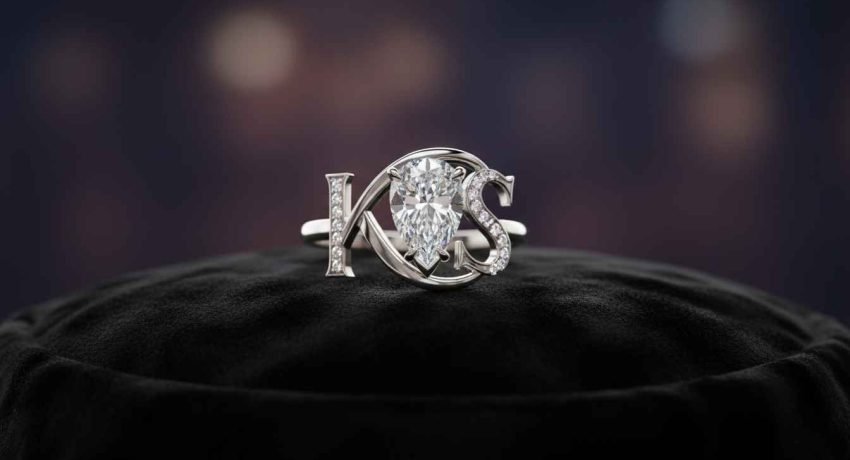

Here is the brutal truth. The KS ring isn’t some magical talisman that instantly elevates your style or guarantees envy from everyone in the room. Let’s cut through the marketing fluff that floods the jewelry world. These rings are often hyped as must-haves for collectors or engagement seekers, but not all KS rings are created equal. Some are exquisite; others, frankly, are overpriced for what you actually get. If you’re serious about jewelry, you need to understand the design, quality, and provenance before you even consider buying one.
KS rings, in their essence, are defined by a blend of meticulous craftsmanship and unique design. Many modern versions are inspired by vintage aesthetics, with intricate metalwork and carefully selected stones. Unlike mass-produced rings, a well-made KS ring is a conversation piece – it tells a story. This is where trust in a reputable jeweler is crucial. The American Gem Society (AGS) and Federal Trade Commission (FTC) provide strict guidelines on metal purity and gemstone authenticity, which any serious buyer should verify. Without that, you’re gambling with style and money.
If you want to see high-quality KS rings firsthand, check out Levy’s Fine Jewelry, where they’ve curated a collection of vintage, antique, and modern pieces that actually meet these standards. Their expertise isn’t about flashy marketing slogans; it’s about ensuring every ring stands the test of time.
Timeline: KS Ring Through the Ages
- 1920s–1930s: Early KS rings were crafted with Art Deco influences, geometric patterns, and bold use of gemstones.
- 1940s–1950s: Post-war jewelry saw simpler, more elegant KS rings with a focus on precious metals like platinum and gold.
- 1960s–1970s: Modernist movements introduced unconventional designs and mixed metals, making KS rings bolder and more experimental.
- 1980s–1990s: Vintage-inspired revivals became popular, blending classic designs with contemporary craftsmanship techniques.
- 2000s–Present: Today’s KS rings are a mix of custom design and antique replication, often featuring ethically sourced gemstones.
The Anatomy of a KS Ring
To appreciate a KS ring, you need to break it down like a workout routine. Think of each element as a muscle group that needs attention:
1. The Band – The Foundation
The band is the backbone. It dictates comfort, durability, and overall style. Look for solid metals, whether it’s 14k gold, platinum, or even mixed-metal designs. Thin bands might look delicate, but they’re prone to bending. Conversely, overly thick bands can feel clunky. Balance is key.
2. The Centerpiece Stone – The Power Move
This is where most people get dazzled. Diamonds, sapphires, and emeralds are common, but quality varies. A well-cut stone catches light naturally, not artificially. Avoid rings where the sparkle is more about coatings or cheap fillers. Remember, AGS standards recommend clarity and cut grades that are transparent and verifiable.
3. Side Stones and Accents – The Auxiliary Muscles
These are the smaller stones that frame the centerpiece. Done right, they enhance the main stone without overshadowing it. Poorly set side stones can fall out quickly, so check the craftsmanship. Many KS rings skimp here to save cost, which defeats the purpose of a statement piece.
4. Metalwork – The Detailing
Engraving, filigree, and other metalwork show the jeweler’s skill. Authentic KS rings often have hand-carved details that machine processes cannot replicate. This is where you separate a true collector’s piece from a generic knockoff.
Potential Drawbacks
Not every KS ring is for everyone. First, the price point can be intimidating. Vintage pieces may require restoration, and custom modern designs can take months to complete. Some people might prefer low-maintenance rings over intricate designs that demand care. Lastly, trends shift; what feels iconic today may feel dated in a decade. Be honest with yourself: if you prioritize convenience over craftsmanship, a KS ring might frustrate you more than it impresses.
Who Should Avoid This?
If you’re in the market for an impulse purchase or “Instagram-worthy” jewelry without caring for long-term value, stay away. KS rings are investments in taste, history, and skill. Avoid them if you don’t plan to verify authenticity, care for the materials, or appreciate the subtle nuances of design. They are not fast fashion – they are enduring pieces that reward patience and knowledge.
Final Verdict
The KS ring is not about hype; it’s about heritage, design integrity, and the subtle elegance that only a well-crafted piece can deliver. Approach it like a disciplined workout: every component counts, every detail matters, and the result is worth the effort if done correctly. Skip the fluff, demand authenticity, and you’ll find a KS ring that doesn’t just sit on your finger – it tells your story.