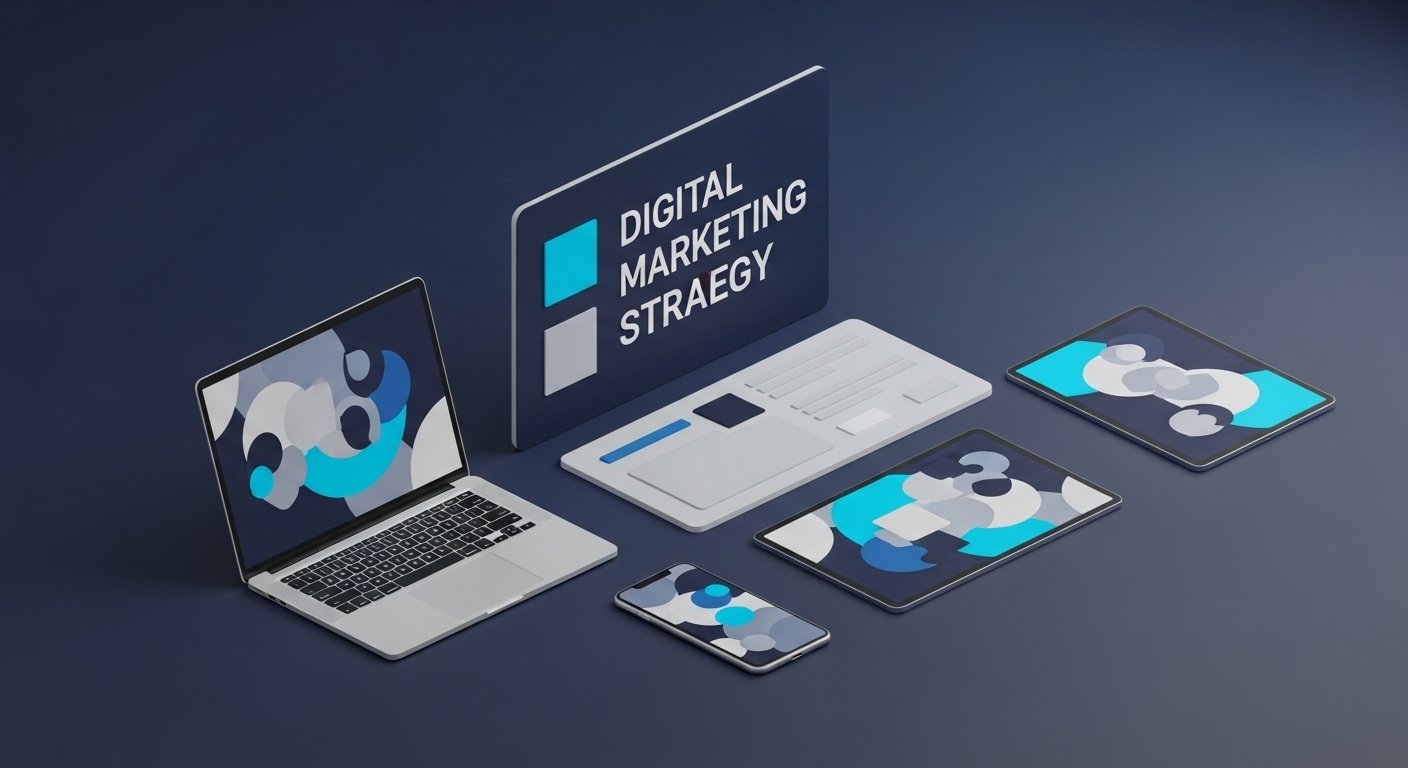


The future of business marketing is poised for an unprecedented shift, driven by data, automation, and real-time analytics. Companies that are currently lagging in digital marketing investments will face increasingly difficult challenges as their competitors leverage these tools for strategic growth. By 2030, the digital marketing landscape will be more data-driven, integrated, and measurable than ever before, changing the way businesses interact with their customers. This scenario may seem improbable today, but emerging trends show it is not only inevitable – it is already happening. The ROI of digital marketing has been proven through detailed analysis, with companies of all sizes using these strategies to maintain a competitive edge in an increasingly digital economy.
Understanding the ROI of Digital Marketing: Dehradun’s Shifting Business Environment
Dehradun, a city traditionally known for its educational institutions, is evolving into a hub for business innovation. However, local businesses still face significant challenges when it comes to digital transformation. The primary friction lies in the slow adoption of digital marketing techniques, which hampers growth potential. Businesses in Dehradun are struggling to compete on a national or global scale, missing out on opportunities to leverage digital marketing tools effectively.
The current market landscape is changing rapidly. Businesses are now expected to utilize digital channels to stay relevant, but many are overwhelmed by the sheer volume of digital marketing tools and platforms. This has led to inefficient resource allocation and unclear ROI. The market needs a more structured, results-driven approach to digital marketing that can guarantee measurable outcomes and long-term success.
Strategic Resolution Protocol
To resolve this issue, businesses in Dehradun must shift from traditional, offline marketing strategies to a digital-first approach. The key is to leverage proven platforms such as Google Ads, social media advertising, and SEO techniques, which have been shown to deliver strong returns on investment (ROI). Additionally, incorporating data analytics into marketing campaigns will allow businesses to track real-time performance, identify underperforming areas, and optimize their strategies accordingly.
Future Economic Implications
Looking ahead, Dehradun’s businesses will have to embrace full-scale digital transformation. This will involve adopting advanced technologies like AI, machine learning, and predictive analytics to improve marketing targeting and personalization. Those who delay this adoption risk falling behind, as their competitors leverage these innovations to capture a larger share of the market.
The Changing Digital Marketing Landscape in India: Opportunities for Dehradun’s Firms
Across India, digital marketing has evolved from a “nice-to-have” to a “must-have” strategy for businesses. However, Dehradun’s business ecosystem remains largely untapped when it comes to advanced digital marketing strategies. The problem is not a lack of resources but a lack of understanding of how to effectively use these resources to generate growth. Businesses in Dehradun still rely on traditional methods like flyers, cold calls, and word-of-mouth marketing, which are no longer sufficient in a digital-first world.
While many Indian cities have embraced the digital revolution, Dehradun remains behind the curve. This gap creates a competitive advantage for businesses in other parts of the country that have already integrated digital marketing tools. Companies in Dehradun risk losing market share as competitors from metropolitan areas dominate online spaces.
Strategic Resolution Protocol
The solution lies in digital education and adopting a results-driven approach. Businesses should begin by improving their online presence through a mix of SEO, PPC, and content marketing strategies. Social media platforms like Facebook, Instagram, and LinkedIn offer powerful tools for local businesses to increase their visibility, while customer-centric content can be used to engage with the target audience more effectively.
Understanding the intricacies of digital marketing is not merely an option but a necessity for businesses aiming to thrive in the competitive landscape of Dehradun and beyond. As firms begin to recognize the transformative power of data-driven approaches, the focus shifts toward actionable strategies that can directly enhance profitability. By harnessing insights generated from customer behavior and market trends, organizations can tailor their marketing efforts to maximize engagement and conversion rates. This shift is emblematic of a broader trend where businesses are actively Optimizing Business Revenue Streams through Data-Driven Digital Marketing, leveraging sophisticated techniques such as targeted advertising and personalized customer experiences to ensure sustainable growth. As we delve deeper into this evolution, it becomes increasingly clear that the businesses which embrace these innovative methodologies will not only survive but thrive in tomorrow’s digital economy.
Future Economic Implications
As digital marketing becomes the cornerstone of business growth in India, Dehradun’s businesses must act quickly to adopt these strategies. The city’s digital ecosystem will expand, creating more opportunities for businesses to engage with their customers online. Companies that invest now in building their digital marketing infrastructure will be better equipped to dominate local and national markets in the future.
Measuring ROI: The Metrics That Matter
One of the primary challenges for businesses when adopting digital marketing is the difficulty in measuring its ROI. Digital marketing offers a wealth of data, but many businesses struggle to analyze and interpret these metrics to make informed decisions. As a result, they often fail to realize the full potential of their marketing spend.
Key performance indicators (KPIs) such as customer acquisition cost (CAC), return on ad spend (ROAS), and lifetime value (LTV) are critical for assessing the success of digital marketing campaigns. However, without a clear framework for tracking and analyzing these metrics, businesses cannot make data-driven decisions that optimize their marketing spend.
Strategic Resolution Protocol
To optimize digital marketing ROI, businesses must focus on data-driven decision-making. The adoption of tools like Google Analytics, HubSpot, or custom-built dashboards can help businesses track KPIs in real-time. These tools provide valuable insights into customer behavior, campaign performance, and content effectiveness, allowing businesses to adjust their strategies on the fly.
Future Economic Implications
In the future, ROI measurement will become more sophisticated with the integration of AI and machine learning into digital marketing analytics. By leveraging these technologies, businesses can predict trends, optimize campaigns, and ensure they are investing their resources in the most effective channels for growth.
Trust & Quality in Digital Marketing Services: The Rise of Compliance Standards
As businesses move towards data-driven digital marketing, trust and quality assurance become paramount. With more consumer data being collected and processed, it is essential for companies to adhere to the highest standards of data privacy and security. Compliance with frameworks like SOC2 Type II ensures that businesses are protecting customer information and meeting industry best practices.
Adopting these standards will not only improve the security of digital marketing efforts but will also enhance customer confidence and loyalty. Businesses that can demonstrate their commitment to data privacy will stand out in an increasingly competitive market.
Strategic Resolution Protocol
To gain trust in the digital marketing realm, companies must implement comprehensive data protection protocols. This includes encrypting customer data, securing payment systems, and being transparent about data usage. By demonstrating a strong commitment to compliance, businesses can improve customer trust and enhance their brand reputation.
Future Economic Implications
As data privacy regulations become more stringent, companies will need to invest in compliance solutions that protect customer information. Digital marketing platforms and agencies that prioritize compliance will be better positioned to offer secure, trustworthy services, making them more attractive to customers.
Inventory Management Comparison: Just-In-Time (JIT) vs Economic Order Quantity (EOQ)
Optimizing digital marketing ROI is much like managing inventory in a supply chain – timing and precision are key. Businesses must continually refine their marketing strategies to maximize return, similar to how inventory management strategies optimize resource allocation.
| Metric | Just-In-Time (JIT) | Economic Order Quantity (EOQ) |
|---|---|---|
| Focus | Demand-based, minimizes holding costs | Optimizes order quantity for cost savings |
| Efficiency | Highly efficient for dynamic markets | Efficient for stable markets with predictable demand |
| Flexibility | More flexible to changes in demand | Less flexible, suited to consistent demand |
| Cost Management | Lower inventory costs | Lower ordering costs and reduced stockouts |
| Risk | Higher risk of stockouts | Risk of overstocking |