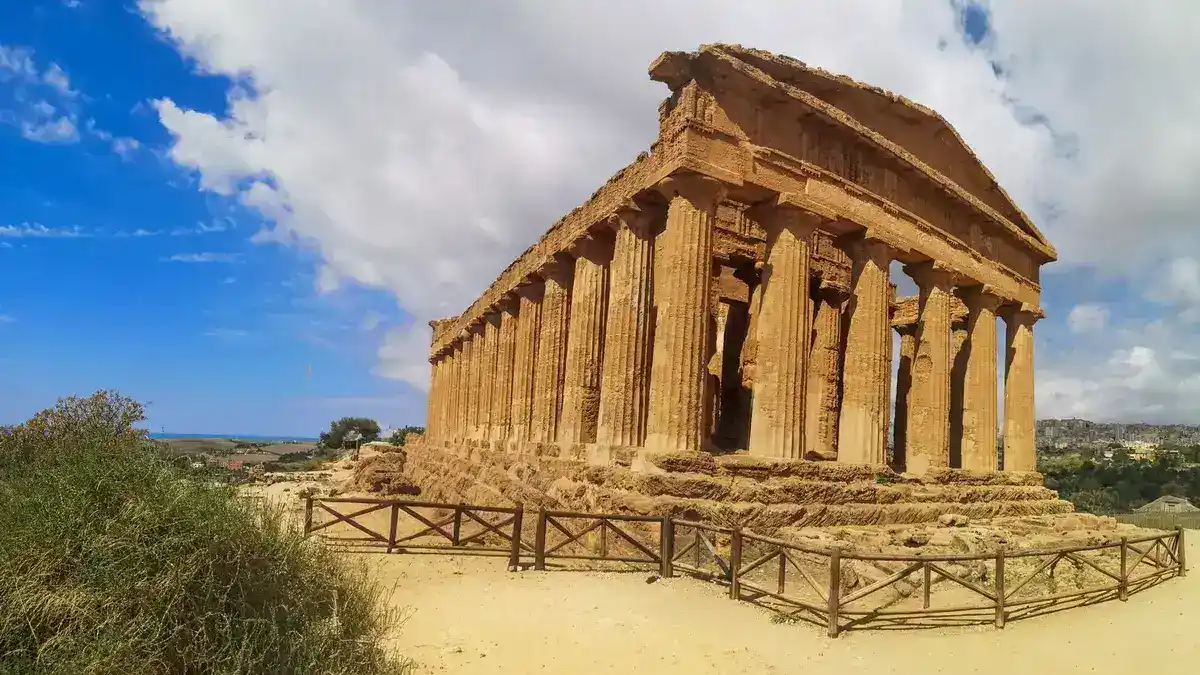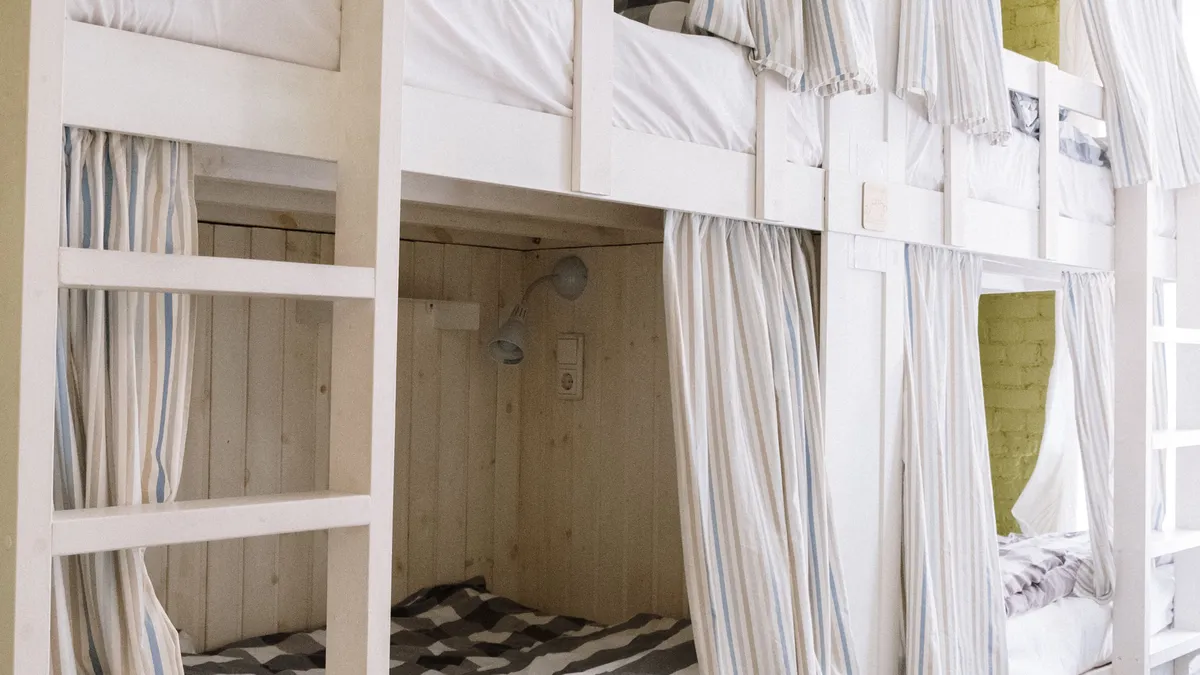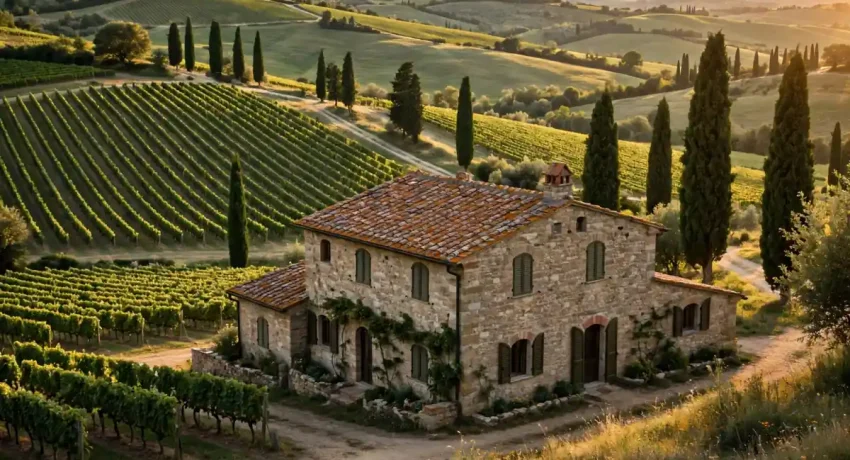

Picture this. You wake up to church bells in the distance. Sunlight falls across a stone windowsill. Outside, rows of vines roll down the hill, and the smell of fresh bread drifts up from the kitchen below. Your host is already in the garden, picking tomatoes for lunch. That is a morning on an agriturismo in Italy — and it is nothing like a morning in a hotel.
Agriturismo Italy trips have quietly become one of the most loved ways to see the country. More than 26,000 licensed farms now welcome guests across Italy, and over half of their visitors come from abroad. A farm stay Italy travellers recommend is rarely the grandest one. It is the one where the hosts treated them like family. This agriturismo Italy guide fixes that. It explains what an agriturismo really is, what the law says, and what it costs in 2026. You will also see which region fits your trip, and how to pick a farm stay you will actually love.
What exactly is an agriturismo?
The word blends two Italian words. Agricoltura means agriculture. Turismo means tourism. Put them together and you get the idea: a working farm that also welcomes guests. An agriturismo is not a hotel in a field. It is a real farm first, and a place to stay second — and that is the heart of agriturismo Italy.
By law, the farm must stay a farm. Guests sleep in the farmhouse, or in a converted barn or annex on the same land. Meals come largely from the farm itself — its wine, its olive oil, its vegetables, its cheese. Many farms also offer tastings, cooking lessons, and walks through the fields. Some keep animals. Others press their own oil or make their own wine.
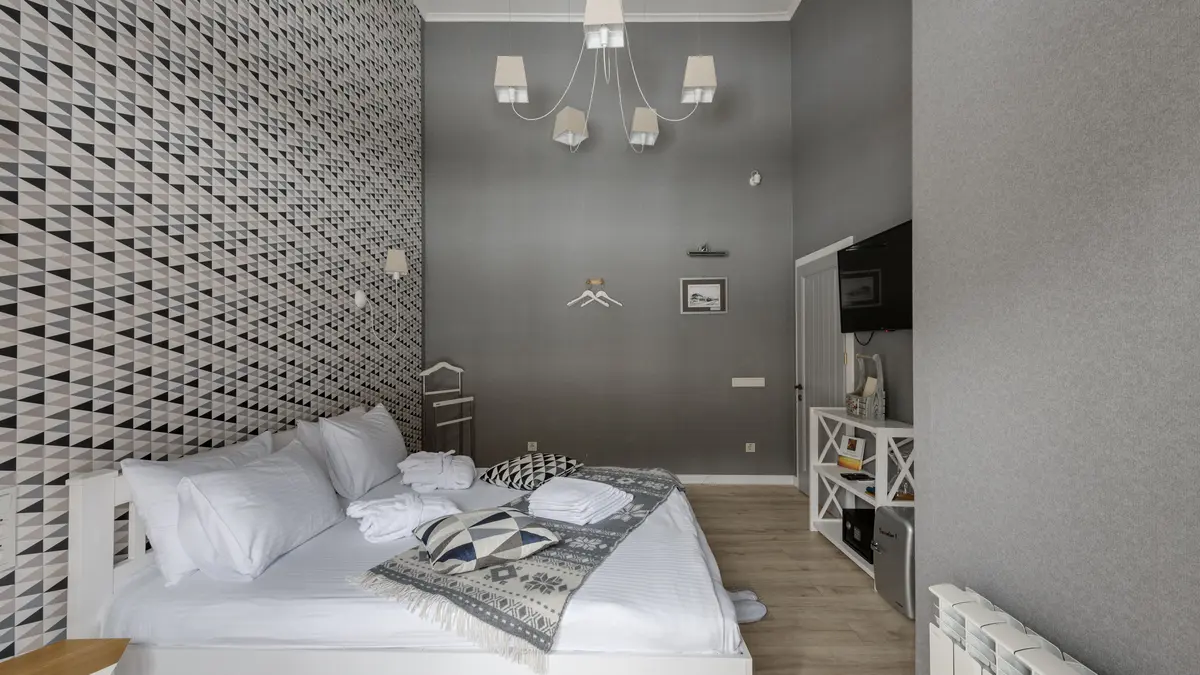
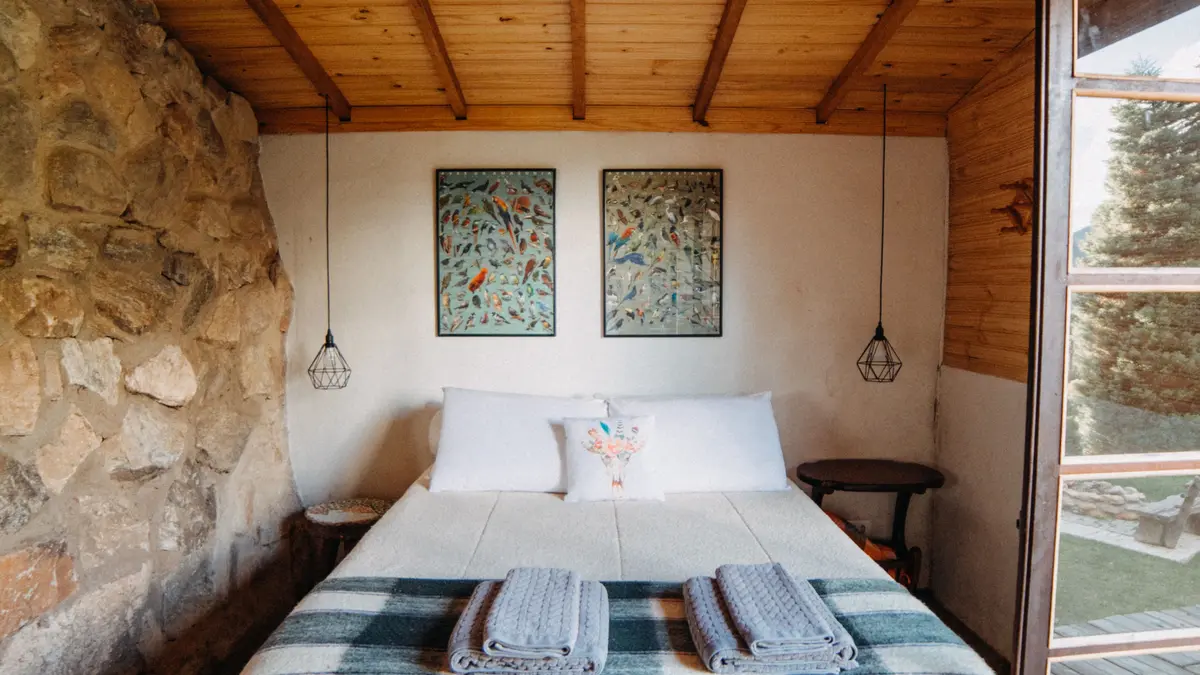
Rooms vary a lot. One farm might offer a simple room in the main house with a shared breakfast table. Another might offer a self-contained apartment with its own kitchen. A third might be a luxury estate with a pool and a spa. All three can legally be agriturismi, as long as the farming comes first.
A casina agriturismo is worth knowing about too. In practice, the word means a small farmhouse or cottage. Many of the prettiest farm stays in Italy are converted casine — old stone cottages with terracotta roofs, thick walls, and shutters. A casina agriturismo feels private and romantic, and it suits couples well. Families often prefer the larger farmhouse apartments instead.
Why did Italy create the agriturismo system?
Italy did not invent agriturismo by accident. It built the system to save its countryside. Between the 1960s and 1970s, small farms across Italy lost money. Younger people left the villages for city jobs. Family farms that had stood for generations were abandoned.
The government answered with a law. In 1985, Italy passed Law 730/1985, the first national law to define agriturismo. It gave farmers money to convert part of their property into guest rooms. Farming families could earn extra income without selling their land.
A stricter law followed in 2006. Law 96/2006 still governs the sector today. It says agriturismo can only be run by the farmer and their family members. The same law also says farming must remain the main activity, measured by working hours rather than income. Regional laws then fill in the details, such as how many beds a farm may offer and how much food must come from the farm.
Italy added an official quality label in 2013. The Agriturismo Italia mark, created by ministerial decree on 13 February 2013, identifies farms that operate fully within the rules. Look for it when you book. It is a useful sign that a place is a genuine working farm, not a country hotel wearing a farm costume.
Today the system is big business as well as heritage. Istat, Italy’s national statistics office, counted 26,360 authorised agritourism farms in 2024. Of those, 21,440 offered accommodation. They welcomed 4.7 million guests in 2024, up 4.3% on the year before. More than half of those guests — 54.8% — came from abroad. The sector’s production value reached nearly €1.93 billion in 2024. Tuscany alone holds 22.2% of all agriturismo farms in Italy.
How is an agriturismo different from a hotel, a B&B or a villa?
Travellers often confuse these stays. The differences matter, because they change what your days feel like. Here is the honest comparison.
| Feature | Agriturismo | Hotel | Bed & breakfast | Villa rental |
|---|---|---|---|---|
| Setting | Working farm in the countryside | Town or city, often central | House in town or village | Private house, often rural |
| Host | Farming family who live there | Staff on shifts | Owner, usually on site | Agency or owner, often absent |
| Meals | Farm produce, often dinner included | Restaurant or breakfast only | Breakfast only | Self-catering, no meals |
| Rooms | Usually fewer than ten | Dozens or hundreds | A handful | Whole house to yourself |
| Activities | Harvest, tastings, walks, animals | Concierge suggestions | Local tips from the owner | None included |
| Reception | Informal, limited hours | 24-hour desk | Owner’s hours | Key handover only |
| Best for | Slow travel, food, families | City breaks, business | Short stays, low cost | Privacy, groups |
An agriturismo vs hotel choice really comes down to pace. Hotels give you services on demand. An agriturismo gives you a place, a family, and a rhythm. Dinner happens when the family serves it. Breakfast might be at a shared table. Nobody brings room service at midnight. If that sounds charming, you will love it. When it sounds limiting, a hotel suits you better.
A farmhouse stay Italy travellers book through Airbnb can also confuse things. Many rural listings call themselves agriturismi when they are not. A true agriturismo is a licensed working farm. Its licence number, called a CIR code, must appear on all advertising in Italy. Ask for it if you are unsure.
What kinds of agriturismo can you stay in?
Not all farm stays look alike. Italy’s regions each have their own farm buildings, crops, and traditions. Knowing the types helps you choose well.
Which farm types will you find?
Vineyard estates are the classic image. You sleep among the vines, taste the estate wine, and walk the rows at sunset. Chianti and the Langhe are full of them. Olive groves offer a quieter stay, often with oil tastings and long lunches under the trees. Working farms with animals suit families best. Children can feed chickens, meet donkeys, and watch cheese being made.
Mountain farms sit higher and cooler. They suit hikers and summer escapes from the heat. Coastal farms mix farm life with the sea — think citrus groves in Sicily or olive terraces above the Ligurian coast. Luxury farm estates add pools, spas, and fine dining to the same working-farm base. They cost more, but the farm behind them is still real.
Why do farm stays have different names in different regions?
Italy is twenty regions, not one place. Each region kept its own word for a farm estate. In Puglia, the great whitewashed farm estates are called masserie. A masseria Puglia stay often means thick stone walls, a central courtyard, and olive groves stretching to the horizon. Many were built in the 1500s and 1600s, when Spain ruled the south.
In Sicily, the enclosed farmhouse is a baglio. It is a courtyard farm, built for protection, with high walls and rooms arranged around an open yard. In Piedmont and Lombardy, the farmhouse is a cascina. It is a large courtyard farm, often brick, set among rice fields or vineyards. In Tuscany, you may hear poggio, meaning a farm on a hill. Down in the Itria Valley of Puglia, some farms are trulli — the famous conical stone houses.
These names are not marketing. They describe real buildings with real histories. When you see one in a listing, it tells you something about where you are going.
Which region should you choose for your agriturismo stay?
Every region offers a different Italy. Your choice should match what you want to eat, see, and do. Here are the six strongest regions for a first farm stay.
Why is Tuscany the classic choice?
Tuscany is where most travellers start, and for good reason. It holds more agriturismo farms than any other region. The Val d’Orcia and Chianti hills give you the postcard view: cypress trees, vineyards, and stone farmhouses. Wine is the main crop, with Chianti Classico and Brunello di Montalcino leading the way. Olive oil runs a close second.
An agriturismo Tuscany stay puts you near Florence, Siena, and San Gimignano. Day trips are easy. Food is rich and simple: ribollita soup, pappa al pomodoro, bistecca alla fiorentina. Expect the highest prices in Italy, and book early for summer. Real places to know include Agriturismo Belagaggio, a social, family-friendly farm. Agriturismo Mormoraia near San Gimignano is a 17th-century estate with a spa and pool. Fattoria San Donato grows nearly everything it serves and runs cooking classes. Podere Campriano in Greve in Chianti is an organic farm you can walk to town from.
What makes Umbria different from Tuscany?
Umbria is Tuscany’s quieter neighbour. It is called the green heart of Italy, and the name fits. Hills, forests, and medieval towns fill the region. Prices run lower than Tuscany. Crowds are thinner. The food leans on truffles, lentils, and pork. An agriturismo Umbria stay suits travellers who want the same beauty with more space to breathe.
Assisi, Perugia, and Orvieto make easy day trips. Truffle hunting in autumn is a highlight. Il Fontanaro, an organic farm in Umbria, is one of the best-known examples of the region’s slow, food-first style. If Tuscany feels busy, Umbria is the answer.
Why do food lovers pick Piedmont?
Piedmont is Italy’s gourmet corner. Barolo and Barbaresco wines come from its Langhe hills. White truffles from Alba are among the most expensive foods on earth. Hazelnuts, cheese, and chocolate round out the table. Farm stays here feel refined rather than rustic.
Wine tastings happen in centuries-old cellars. Cooking classes focus on handmade pasta and slow sauces. Autumn is the great season, when the truffle fair fills Alba and the vineyards turn gold. Piedmont suits couples and food lovers more than families with small children.
What is a masseria stay in Puglia like?
Puglia is southern Italy at its brightest. Whitewashed villages, endless olive groves, and a turquoise sea define it. A masseria Puglia stay means sleeping in a fortified stone farm estate, often with a pool in the courtyard. The food is superb and cheap: orecchiette pasta, burrata, friselle, and raw seafood.
Ostuni, Alberobello, and Lecce are the towns to visit. Olive oil tasting is the signature activity, and October to December is harvest time. Masseria Salinola near Ostuni is a good example of the family-run style. Puglia offers the best value of the famous regions, with lower prices than Tuscany for similar quality.
Why choose an agriturismo in Sicily?
Sicily is the most varied island in the Mediterranean. An agriturismo Sicily stay might mean citrus groves heavy with lemons, vineyards at the foot of Mount Etna, or olive farms near ancient Greek temples. Meals mix farm produce with seafood, pistachios, and almonds.
Baglio stays give you the island’s history in stone. Agriturismo Baglio Vecchio near Castelvetrano is an 18th-century baglio with its own vineyard. Near Piazza Armerina, Agriturismo Bannata sits close to the Villa Romana del Casale mosaics. Sicily rewards travellers who like big landscapes and bold flavours. Summers are hot, so spring and autumn work best.
What about Emilia-Romagna, the food valley?
Emilia-Romagna is where Italy’s most famous foods are born. Parmigiano-Reggiano, prosciutto di Parma, and traditional balsamic vinegar all come from here. Farm stays in the region are less famous than Tuscany’s, but the food is arguably better. You can visit cheese dairies, ham cellars, and vinegar lofts within an hour’s drive.
Bologna, Modena, and Parma make excellent bases. The region suits serious eaters who have already seen Tuscany. Prices sit in the middle range. It is the least touristy of the six regions on this list, which many travellers count as a plus.
What does a day on an agriturismo actually look like?
Days on a farm run slower than city days. That is the whole point. Here is a typical summer day, to help you picture it.
Morning starts with breakfast. It might be bread, jam, cake, and coffee at a shared table. Some farms serve eggs from their own hens. Others set out fruit from the orchard. After breakfast, you choose your day. A walk through the vines costs nothing. A swim in the pool cools you down. A cooking class starts mid-morning if you booked one.
Lunch is often light. You might eat at the farm, or drive to a nearby village for a trattoria. Afternoon is for resting, reading, or exploring. Many guests nap. Others visit a town, a winery, or a market. Late afternoon brings the golden hour, when the fields glow and the air cools.
An agriturismo dinner is the main event of the day. On farms that serve it, dinner is usually a fixed menu of four or five courses. You eat what the farm grew. Wine comes from the estate. Your hosts often join the table, or at least stop by to talk. Nobody rushes you. That is the rhythm. If you need a packed schedule, a farm stay will frustrate you. Slow down instead, and it will restore you.
What will you eat at an agriturismo?
Food is the heart of the agriturismo experience. By law, farms must serve a set share of their own produce, topped up with products from neighbouring farms. In practice, that means the table reflects the land around you.
Dinner usually runs to four or five courses. Antipasti might be cured meats, cheeses, and bruschetta with the farm’s oil. Primi could be handmade pasta with vegetables from the garden. Secondi often means roast meat or grilled vegetables. Dessert is usually simple: cake, fruit, or gelato. Wine is poured from the estate’s own bottles.
Breakfast is simpler. Expect bread, jam, cake, fruit, and coffee. Some farms add eggs, yoghurt, or cheese. Do not expect a hotel buffet with twenty hot dishes. The food is fresh and local, not endless.
Look for Italy’s quality labels on the table. DOC and DOCG mark protected wines. DOP marks protected foods, such as Parmigiano-Reggiano or Tuscan olive oil. These labels guarantee origin and method. They are a good sign that the farm takes its produce seriously.
Dietary needs deserve a direct question before you book. Many farms can handle vegetarian meals easily, since vegetables lead the menu. Vegan and gluten-free meals are harder on small farms. Ask in advance, in writing, and confirm again before arrival.
Which activities can you join on a farm stay?
Activities separate a great agriturismo from a merely pretty one. About half of Italy’s farms offer activities beyond food and lodging, so check the listing before you book. Here are the most common ones.
- Cooking classes: Learn to roll pasta, make gnocchi, or bake bread with the family. An agriturismo cooking class usually costs around €20–40 per person and lasts a morning or an afternoon.
- Wine tastings: Walk the vineyard, see the cellar, and taste the estate’s wines. An agriturismo wine tasting typically costs around €15–30 per person.
- Olive oil tastings: Taste fresh oil, learn the difference between extra virgin grades, and see the press. October and November are harvest months.
- Harvest days: Join the grape harvest in September or the olive harvest in October and November. An agriturismo harvest experience is seasonal, physical, and genuinely memorable.
- Horse riding: Many larger farms keep horses and offer rides through the fields or along country lanes.
- Truffle hunting: In Umbria and Piedmont, trained dogs lead you through the woods in autumn. It is the region’s most famous food experience.
- Farm animals: Children can feed chickens, meet donkeys, and watch cheese being made. An agriturismo with animals suits families far better than a wine-only estate.
- Hiking and cycling: Most farms sit on walking trails. Some lend bikes. Ask what routes start from the farm gate.
Seasons shape everything. The table below shows what each month offers.
| Month | What is happening | Best for |
|---|---|---|
| March to April | Spring flowers, first vegetables, mild days | Walking, quiet stays, low prices |
| May to June | Warm sun, long evenings, full bloom | First swims, gardens, festivals |
| July to August | Peak summer, pools, village festas | Families, long stays, warm nights |
| September | Grape harvest, warm days, fewer crowds | Wine lovers, harvest days |
| October | Olive harvest, truffles, autumn colour | Food lovers, photographers |
| November to February | Quiet farms, fires, low prices | Budget stays, writers, slow travel |
How much does an agriturismo cost in 2026?
Agriturismo Italy prices vary by region, season, and room. The ranges below come from current 2026 guides, and they cover a double room per night. Always confirm what is included before you book.
| Level | Price per night | What you get |
|---|---|---|
| Budget | €60–90 | Simple room, breakfast, smaller farm, quieter area |
| Mid-range | €90–180 | Comfortable room, breakfast, pool, dinner available |
| Premium | €180–350+ | Suite, pool, spa, tastings, gourmet half-board |
| Apartment | €80–250 | Self-catering flat, kitchen, space for families |
Agriturismo cost per night is only part of the bill. Dinner, when the farm serves it, usually adds around €25–45 per person, often including wine. Cooking classes run around €20–40 per person. Tastings cost roughly €15–30 per person. A weekly stay often earns a discount of 10–15%.
Peak season runs June to August. Prices rise by roughly a third, and the best farms book out two or three months ahead. Shoulder season — April to May and September to October — gives you the best balance of weather, price, and availability. Winter brings the deepest discounts, with simple rooms in the south sometimes listed around €40–70 per night.
One cost catches people out: the tourist tax. Italian towns charge a small nightly tax per person, usually a few euros. It is rarely included in the room rate. Ask the farm what it is, so the final bill holds no surprise.
How do you choose the right agriturismo?
Choice is the hard part. More than 26,000 farms welcome guests, and listings often look alike. Use this checklist before you pay — it is how you find the best agriturismo Italy has for your trip.
- Is it a real working farm? Look for the CIR licence number and the Agriturismo Italia label. Check that the farm names its crops or animals. A listing with no farm details is a warning sign.
- What meals are included? Some farms include breakfast only. Others offer dinner on set nights. A few serve no meals at all. Confirm the exact arrangement in writing.
- How far is the nearest town? Many farms sit 10–20 minutes by car from the closest village. If you want to walk to dinner, pick a farm near a town, such as Podere Campriano near Greve in Chianti.
- Does it suit your group? An agriturismo with pool and animals suits families. A wine estate with a spa suits couples. A quiet mountain farm suits walkers. Match the farm to your people.
- What do recent reviews say? Read the newest reviews, not the oldest. Look for comments about the hosts, the food, and the road. A dirt track is fine if you know about it in advance.
- Is the pool open when you visit? Pools often open only from May to September. If a pool matters to you, ask for the exact dates.
- Can the farm handle your diet? Vegetarian is usually easy. Vegan, gluten-free, and allergies need a direct answer before booking.
A farm stay is a relationship, not a transaction. The best ones feel like visiting relatives who happen to own a vineyard. Read the listing like a letter from a host, not a hotel brochure. If it sounds warm and specific, it usually is.
How do you book an agriturismo — and what should you check first?
Booking is straightforward, but the channel matters. Agriturismo booking works best through specialist sites and direct contact.
The largest specialist portal is Agriturismo.it, with listings across all twenty regions. Agriturismo.com is another long-running directory. Booking.com also lists many farms, and its reviews and filters help you compare. Airbnb carries rural stays too, but not all of them are licensed agriturismi.
Direct agriturismo Italy booking often wins. Many farms give a better rate, or a better room, when you email them directly. It also starts the relationship. Write in simple English, or in Italian if you can. Ask about meals, the pool, the road, and the nearest town. A farm that answers warmly and clearly is usually a farm that hosts well.
Before you pay, check four things. First, the CIR licence number on the listing. Second, the cancellation terms, which vary widely on small farms. Third, the exact check-in window — many farms cannot receive guests after dinner. Fourth, whether breakfast and dinner are included, and on which nights dinner is served.
Do you need a car?
Yes, in most cases. This is the single most practical fact about agriturismo Italy travel. Agriturismi sit in the countryside by definition. Public transport rarely reaches them. Buses run a few times a day at best, and taxis in rural Italy are scarce and costly.
A rental car changes everything. It lets you visit villages, wineries, and markets on your own schedule. A car also opens up farms that sit at the end of a dirt track. Rent the smallest car that fits your luggage, because country lanes are narrow and parking is tight. An automatic gearbox costs more, so book early if you need one.
Two exceptions exist. Some farms near Florence, such as Fattoria di Maiano in Fiesole, sit close enough to the city for buses or short taxi rides. A few farms also offer transfers from the nearest station for a fee. Ask before you assume. If you truly cannot drive, pick a farm within walking distance of a town, or book a farm that states transfers clearly.
Is an agriturismo good for families with kids?
Yes — an agriturismo Italy stay is often the best kind of holiday for a family. Children get space, animals, and freedom that no city hotel can offer. They can run on grass, collect eggs, and swim in the afternoon. Parents get a slower pace and home-cooked food.
Choose carefully, though. The best agriturismo for families has a pool, animals, and apartments rather than single rooms. An agriturismo near Florence, Fattoria di Maiano is a strong example: it has a didactic farm with animals, a pool, a botanical garden, and apartments for up to eleven people. Agriturismo Belagaggio in Tuscany is another family favourite, with space to roam and a social atmosphere.
Ask about cots, high chairs, and stair gates before you book. Small farms may not stock them. Also ask about dinner times. Farm dinners often start at 7:30 or 8 pm, which suits older children better than toddlers. Bring a baby monitor if your room sits apart from the main house.
Teenagers need a different check. Wi-Fi on farms can be slow or patchy, especially through thick stone walls. If your teenager lives online, ask the farm about the connection honestly. Some farms have good fibre now. Others do not, and no one should discover that at 9 pm.
When is the best time to go?
There is no single best month. Your best month depends on what you want from the trip. Spring brings flowers, mild days, and low prices. May and June are the sweet spot for most travellers: warm sun, long evenings, and gardens in full bloom.
Summer is peak season. July and August bring heat, pools, and village festivals. Families fill the farms. Book two or three months ahead for the best places. Expect the highest prices of the year.
Autumn is the food lover’s season. September brings the grape harvest. October brings olives and truffles. The light turns gold, and the crowds thin out. Many experienced travellers call September and October the best months in Italy.
Winter is the quiet season. Many farms close, but those that stay open offer deep discounts and real solitude. The countryside is misty and still. It suits writers, walkers, and anyone who wants Italy to themselves. Just check that the farm, its restaurant, and the heating are actually open.
What mistakes do first-timers make?
Most agriturismo Italy disappointments come from wrong expectations, not bad farms. Here are the mistakes to avoid.
First, booking a farm without a car and then feeling stranded. Second, expecting hotel services — late dinners, 24-hour reception, room service — that a small farm cannot offer. Third, choosing a wine estate for small children, or a party farm for a quiet honeymoon. Fourth, ignoring the road. A farm at the end of a rough dirt track is lovely, but not in a low car at night.
Fifth, skipping the meal question. Some travellers arrive expecting dinner, then find the farm serves food only on certain nights. Sixth, booking only one night. Farm stays reward slow time. Two nights is a taste. Three or four nights is where the magic starts. Seventh, forgetting the tourist tax and the dinner bill when comparing prices. A cheap room with expensive dinners can cost more than a pricier half-board stay.
Frequently Asked Questions
What is an agriturismo in Italy?
It is a licensed stay on a working farm. The farm must remain an active agricultural business, and guests eat food largely grown on the farm. Law 730/1985 created the system, and Law 96/2006 still governs it today.
How much does an agriturismo cost per night in 2026?
Typical ranges run from around €60–90 per night for a simple double room with breakfast, through €90–180 for a comfortable mid-range stay, to €180–350 or more for a premium farm suite. Dinner usually adds around €25–45 per person.
Do I need a car for an agriturismo stay?
Yes, in almost every case. Farms sit in the countryside, and public transport rarely reaches them. A rental car gives you freedom to visit villages, wineries, and markets. A few farms near towns offer transfers, but they are the exception.
Is breakfast included at an agriturismo?
Usually yes, but not always. Most farms include breakfast in the room rate. Some offer dinner too, often on set nights. Always confirm exactly what is included before you book.
What is the difference between an agriturismo and a masseria?
A masseria is a type of farm estate found mainly in Puglia. It is a large, fortified stone farm complex, often built in the 1500s and 1600s. An agriturismo is the legal category for any licensed farm stay in Italy. A masseria can be an agriturismo, but not every agriturismo is a masseria.
When is the best time to stay at an agriturismo?
May and June suit most travellers, with warm weather and full gardens. September and October suit food lovers, with the grape and olive harvests. July and August suit families, but prices peak and the best farms book out early.
Are agriturismi good for children?
Yes, when you pick the right one. Farms with pools, animals, and apartments work best for families. Ask about cots, high chairs, dinner times, and Wi-Fi before you book, so there are no surprises on arrival.