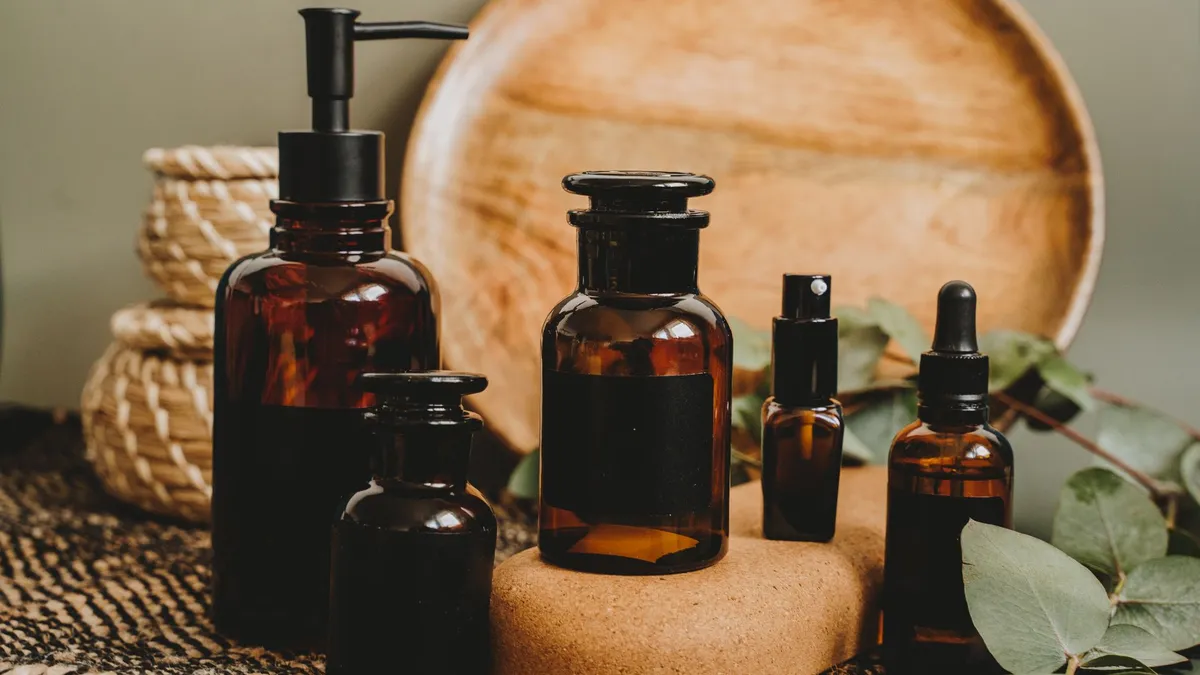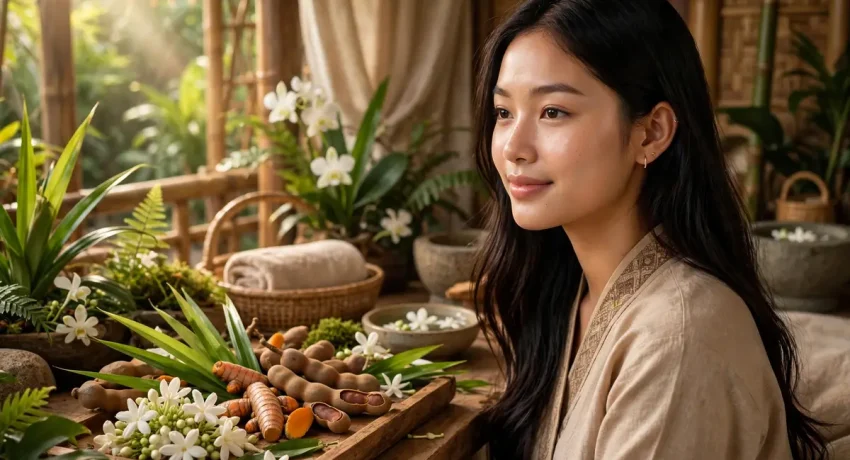

Thai beauty has a quiet confidence. It does not shout. Instead, it glows. For centuries, Thai women have cared for their skin and hair with ingredients from the kitchen garden and rituals from the spa. Now the rest of the world is catching on. Thai brands are selling out abroad, Thai makeup is going viral, and the phrase T-Beauty is showing up next to K-Beauty and J-Beauty. This guide brings both sides together. You will find the old secrets, the new brands, and a routine you can start this week.
What Is Thai Beauty?
Thai beauty is a way of caring for skin that grew out of Thailand’s tropical climate. Heat, humidity, and strong sun shape every choice. Heavy creams feel sticky in Bangkok weather. Light gels, fresh botanicals, and strong sun protection make sense instead. The philosophy is simple. Healthy skin comes first, and makeup comes second. Wellness sits at the centre. Food, sleep, massage, and herbal care all count as beauty care.
Three ideas run through the whole tradition. First, nature provides the tools. Tamarind, turmeric, coconut, rice, and jasmine have all been used for generations. Second, less can be more. Thai routines favour a few effective steps over a long shelf of products. Third, beauty is holistic. A calm body and a balanced diet show up on the face. These ideas still guide Thai brands today, even as they add modern science to the mix.
Why Is the World Talking About Thai Beauty in 2026?
For decades, Thailand’s beauty industry worked quietly. Heritage brands served local customers and rarely chased global fame. The 2020s changed that. TikTok and Instagram turned holiday finds into viral recommendations. Travellers came home with Thai sunscreens and powders, posted about them, and the world listened.
The numbers tell the story. Thailand’s beauty market is now valued at over $8 billion, with annual growth above 10 per cent, according to industry data reported by The Nation. That growth is far faster than the global beauty market’s average of around 6.3 per cent. Thai brands are winning abroad too. Mistine became the best-selling sunscreen brand in China by volume in 2021 and held that spot for three straight years, according to China Daily. Newer brands are growing fast as well. INGU, a Thai sunscreen label, grew revenue from $2 million in 2022 to $16.5 million in 2025. La Glace, another Thai brand, saw sales jump from 40 million baht to 400 million baht in a single year.
Behind the boom is a simple idea. Thai products are built for tropical life. They handle sweat, humidity, and strong sun. International brands often overlook that niche. Thai brands own it. The movement now has a name: T-Beauty. Unlike K-Beauty, which made multi-step routines famous, or J-Beauty, known for minimalism, T-Beauty stands for climate-smart function. Lightweight textures, long wear, and real protection come first.
What Are the Timeless Thai Beauty Secrets?
Long before serums and sheet masks, Thai women used what grew nearby. These ingredients are still the heart of Thai beauty. Each one is easy to find, cheap, and simple to use. Here are the ten that matter most.
Tamarind: the natural exfoliant
Tamarind is the sour fruit at the centre of Thai cooking. It is also one of the best-known Thai beauty secrets. The fruit is rich in alpha-hydroxy acids, which gently dissolve dead skin cells. It also carries vitamin C, which supports brighter skin. Bangkok spa owners have long recommended tamarind as a bath-time exfoliant. A simple scrub mixes tamarind pulp with honey and a pinch of turmeric. Massage it gently over the face or body, then rinse. Skin feels smoother right away. Use it once or twice a week, not every day. Overuse can irritate the skin.
Turmeric: the golden healer
Turmeric, called khamin chan in Thai, is a staple of Thai kitchens and Thai beauty alike. It has anti-inflammatory and antioxidant properties. Traditional masks use it to calm redness, fight blemishes, and brighten the skin. A classic turmeric face mask mixes turmeric powder with honey and yoghurt. Apply the paste for 15 minutes, then rinse with warm water. One warning matters. Turmeric can stain skin yellow if you use too much. A small pinch is enough. Fresh turmeric root, ground to a paste with a little milk and honey, works as a head-to-toe scrub for special occasions.
Coconut oil: the all-in-one elixir
Coconut oil is the most famous ingredient in Thai beauty. It moisturises skin, conditions hair, and removes makeup. Thai women have used it for generations as a daily moisturiser. Warm a little oil in your hands and rub it over damp skin after a shower. For dry hair, massage warm coconut oil into the scalp and lengths, leave it for an hour, then wash it out. It also works around the eyes and on dry patches. One caution applies. Coconut oil is heavy and can clog pores. People with acne-prone skin should test it on a small area first, or skip it on the face.
Rice water: the hair strengthener
Rice water is the liquid left after soaking or cooking rice. Southeast Asian women have used it for centuries as a hair rinse. They believe it strengthens hair, improves elasticity, and adds shine. The practice is simple. Save the water after rinsing rice for cooking. Let it ferment for 24 hours. Then use the rice water hair rinse as a final step after shampooing. Some people also use it as a facial toner to tighten pores and brighten the skin. Fermented rice water has a strong smell, so many people rinse lightly with plain water afterwards.
Papaya: the enzyme exfoliator
Papaya is abundant in Thailand, and it earns its place in beauty routines. The fruit contains papain, an enzyme that breaks down dead skin cells. Mash two tablespoons of ripe papaya into a soft paste. Apply it to the face for 10 to 15 minutes, then rinse with cold water. Skin looks brighter and feels softer. Papaya suits most skin types, but it is still an active exfoliant. Patch-test first, and do not use it on broken skin.
Kaffir lime: the citrus cleanser
Kaffir lime, or makrut, is a Thai kitchen herb with a strong citrus scent. Its juice and peel are rich in vitamin C. Thai women have used it for deep cleansing and for brightening the complexion. The peel goes into scrubs, and the essential oil is mixed with honey or yoghurt in face packs. Kaffir lime oil also works as a hair tonic and a massage oil. Citrus oils can make skin sensitive to sunlight, so use kaffir lime products at night and wear sunscreen the next day.
Lemongrass: the detox steamer
Lemongrass grows everywhere in Thailand. It cleanses, tones, and refreshes the skin. A lemongrass facial steam is a beloved ritual. Add about 40 grams of fresh chopped lemongrass to a pot of boiling water. Let it stand for 30 minutes, then strain. Lean over the warm liquid and let the steam touch your face for about a minute. Repeat three times. The steam opens pores and leaves skin feeling clean. Lemongrass also works as a natural toner that helps control excess oil.
Jasmine: the floral hydrator
Jasmine is Thailand’s most loved flower. Its oil hydrates and soothes, which makes it ideal for dry or sensitive skin. Thai spas use jasmine in oils, baths, and hair treatments. A few drops of jasmine oil in a carrier oil make a gentle facial oil. Jasmine also scents many Thai beauty products. Its soft fragrance is part of the experience, not just a bonus. For many Thai women, the scent of jasmine is the scent of home.
Butterfly pea: the blue flower for hair
Butterfly pea, called anchan in Thai, is the vivid blue flower in Thai teas and desserts. In beauty, it is valued for hair. The petals are crushed into a paste or mixed with yoghurt to make masks that calm irritation and dryness. Many Thai women believe it supports thicker, stronger hair. It also gives a soft blue tint to rinses and tonics. The flower is rich in antioxidants, which is why it appears in both skincare and hair care.
Plai: the calming ginger
Plai, or cassumunar ginger, is a Thai herb with calming and skin-conditioning properties. Its essential oil is mixed with coconut oil or creams and applied during massage. It eases muscle tension and soothes irritated skin. Plai also appears in cooling balms with aloe vera. These balms help restore moisture after sun exposure. Plai is less famous outside Thailand than turmeric, but Thai healers have trusted it for centuries.
Which Thai Rituals Go Beyond the Bathroom?
Thai beauty is not only about products. Rituals matter just as much. They treat the whole body, not just the face.
The best known is the Thai herbal compress, called Luk Pra Kob. A steamed pouch filled with herbs such as kaffir lime, plai, turmeric, and lemongrass is pressed gently onto the skin. The warmth and the herbs relax muscles, improve circulation, and leave skin glowing. Spas across Thailand offer it, and it is one of the first treatments visitors try.
Thai massage is another pillar. It stretches the body, eases tension, and improves blood flow. Regular massage is part of everyday life in Thailand, not a rare luxury. Many Thai women see it as maintenance, like exercise. Good circulation shows in the skin.
Bathing is also a ritual. Warm water, natural scrubs, and floral soaks turn a daily wash into a moment of care. Traditional body scrubs mix turmeric, rice flour, and pandan leaves. Pandan acts as a natural cooling agent, soothing redness from tropical heat. The result is clean, calm skin and a clear mind.
How Do Thai Women Care for Their Hair?
Long, silky hair is a signature of Thai beauty. The care behind it is simple and consistent. Rice water rinses strengthen the shaft and add shine. Coconut oil treatments repair dryness and split ends. Butterfly pea masks support thickness. Ginger oil works as a tonic for dry scalps.
Heat and sun are the enemies. Thai women protect hair from harsh sun with hats, scarves, or light oils. They avoid over-washing, which strips natural oils. Gentle handling matters too. Wide-tooth combs, soft towels, and low heat all help. The goal is the same as with skin: health first, shine follows.
What Is T-Beauty, and Which Brands Lead It in 2026?
T-Beauty is the modern face of Thai beauty. It blends old wisdom with dermatology and smart design. The brands below lead the movement in 2026, according to industry coverage from CNA, Tatler Asia, and The Nation.
| Brand | Known for | Why it matters |
|---|---|---|
| Srichand | Translucent powder, gel moisturisers | Founded in 1948; heritage leader in shine control and tropical skincare |
| Mistine | Sunscreen, colour cosmetics | Best-selling sunscreen in China by volume; mass-market giant since the late 1980s |
| MizuMi | Lightweight sunscreen and skincare | Loved for water-resistant formulas that sit well under makeup |
| INGU | Ultra-light daily sunscreen | Grew from $2 million to $16.5 million in revenue between 2022 and 2025 |
| Cathy Doll | Affordable skincare and makeup | Popular with younger buyers across Southeast Asia |
| Baby Bright | Sheet masks, lip tints, moisturisers | Simple routines with fast-absorbing formulas |
| La Glace | Trendy skincare and makeup | Sales jumped from 40 million to 400 million baht in one year |
| Oriental Princess | Skincare and fragrance | Long-standing Thai label with a loyal local following |
Two habits set Thai brands apart. First, they design for the climate. Sunscreens are light, water-resistant, and comfortable under makeup. Powders control shine without dulling the skin. Second, they keep routines short. This skinimalism trend suits busy lives. Fewer steps, better formulas, real results.
One Thai habit has spread worldwide: the 7-Eleven beauty packet. Single-use skincare sachets are sold in convenience stores across Thailand. They let buyers try products cheaply and switch often. Visitors stock up on them as souvenirs. The packets are now part of the T-Beauty story itself.
What Is Swai Meiku Makeup?
Swai Meiku is the Thai makeup look that went viral on TikTok, Instagram, and Xiaohongshu. The name blends Thai “swai”, meaning beautiful, with Japanese “meiku”, meaning makeup. It describes a balance between Asian and Western beauty ideals.
The look has five marks. A dewy glass skin base comes first. Flushed peachy cheeks add warmth. Soft smokey eyes in warm browns, peaches, and bronzes follow. Glossy, plump lips complete the face. Fluffy, feathered eyebrows frame it all. The effect is fresh and radiant, never heavy. Swai Meiku works because it starts with healthy skin. The makeup enhances the glow instead of hiding the face.
To try it, start with light moisturiser and sunscreen. Add a sheer, dewy foundation or skin tint. Dab cream blush on the apples of the cheeks. Use warm brown shadow with a soft edge. Finish with clear or tinted gloss and brushed-up brows. Keep the base light. The glow is the point.
How Do You Build a Thai-Inspired Routine?
A Thai beauty routine is short, gentle, and consistent. It works for most skin types. Adjust the steps to your climate and your skin.
| Step | Morning | Evening |
|---|---|---|
| Cleanse | Gentle gel or foam cleanser | Oil cleanser first, then a gentle gel cleanser |
| Tone | Rice water or botanical toner | Same light toner, or skip it |
| Treat | Vitamin C or brightening serum | Turmeric or tamarind mask, once or twice a week |
| Moisturise | Lightweight gel cream | Light lotion, or coconut oil on dry areas |
| Protect | High-SPF, water-resistant sunscreen | Nothing; let skin rest overnight |
Sun protection is the non-negotiable step. Thailand has no real winter, only sun, heat, and humidity. Thai sunscreens are built for that reality. They feel light, absorb fast, and resist sweat. Pick a formula you enjoy wearing. The best sunscreen is the one you use every day.
Exfoliation deserves care. Tamarind and papaya are gentle, but they are still active. Use them once or twice a week. Give skin rest days between treatments. If redness appears, stop and wait. Healthy skin is patient skin.
What Role Do Food and Lifestyle Play?
Thai beauty starts on the plate. The food is rich in vegetables, herbs, and spices. Fish and seafood appear more often than red meat. Fresh fruit, green tea, and plenty of water are daily habits. Spices such as turmeric, ginger, and chilli are believed to cleanse the body from within. Green tea brings antioxidants. Fruit juices add vitamins.
Sleep and stress matter too. Thai culture values rest, calm, and balance. Massage, herbal baths, and time outdoors all support that balance. Skin reflects the whole lifestyle, not just the products on the shelf. A good routine helps, but food, water, and rest do the quiet work.
Where Can You Buy Thai Beauty Products?
Thailand is a beauty shopping paradise. Bangkok’s malls, markets, and pharmacies carry everything from heritage powders to new serums. Convenience stores sell the famous single-use packets. Beauty halls in malls let you test products before buying. If you visit, leave room in your bag.
Outside Thailand, options are growing. Many Thai brands now sell through e-commerce across Asia. Some have reached pharmacy shelves in Singapore and beyond. Prices vary by country, so check local stores before ordering from abroad. Start with the heroes: a Thai sunscreen, a translucent powder, and a sheet mask. Those three show what T-Beauty does best.
What Mistakes Should You Avoid?
Thai ingredients are natural, but natural does not mean risk-free. A few mistakes are common.
First, do not overdo turmeric. Too much stains the skin yellow and can irritate it. A pinch is enough. Second, do not exfoliate daily with tamarind or papaya. Gentle acids still need rest days. Third, test coconut oil before using it on your face. It suits dry skin and hair, but it can clog pores on oily or acne-prone skin. Fourth, never use citrus oils in the sun. Kaffir lime and other citrus products can increase sun sensitivity. Use them at night. Fifth, patch-test every homemade recipe. Apply a little to your inner arm and wait 24 hours. If no reaction appears, it is safe to use on your face.
Frequently Asked Questions
What is Thai beauty?
Thai beauty is a skincare and wellness tradition from Thailand. It blends natural ingredients such as tamarind, turmeric, and coconut oil with rituals like herbal compresses and massage. Modern T-Beauty adds science and climate-smart formulas to that base.
What is T-Beauty?
T-Beauty is the modern Thai beauty movement. It covers Thai brands that design products for tropical climates: lightweight sunscreens, long-wear makeup, and simple routines. Growth is fast, with the Thai beauty market valued at over $8 billion.
What is Swai Meiku?
Swai Meiku is a viral Thai makeup style. It combines a dewy, glass-skin base with peachy cheeks, warm smokey eyes, glossy lips, and fluffy brows. The name mixes Thai “swai” for beautiful and Japanese “meiku” for makeup.
Is Thai skincare good for sensitive skin?
Many Thai ingredients suit sensitive skin, especially jasmine, aloe vera, and rice water. Turmeric and tamarind can irritate if overused. Patch-test any new product or homemade recipe first, and introduce one new item at a time.
Which Thai beauty brands are best for beginners?
Srichand, Mistine, MizuMi, and Cathy Doll are good starting points. For shine control, pick Srichand; Mistine and MizuMi lead on sunscreen, and Cathy Doll offers affordable everyday products. Start with one hero product, not a full shelf.
Can I use tamarind and turmeric together?
Yes, they are a classic pair in Thai scrubs. Mix tamarind pulp with honey and a small pinch of turmeric. Use the scrub once or twice a week. Rinse well, and follow with moisturiser and sunscreen the next morning.
Thai beauty is timeless because it is honest. It asks for consistency, not excess. Nature provides the tools, and the tradition respects the climate it comes from. The old secrets still work. New brands prove it every day. Start with one ingredient, one ritual, or one Thai sunscreen. Your skin will notice the difference before your mirror does.
Sources: The Nation (T-Beauty market data); CNA Lifestyle (What is T-Beauty?); Tatler Asia (15 Thai beauty brands to know in 2026); Thai PBS World (grooming secrets and traditions in Southeast Asia); NDTV Food (5 Thai beauty secrets); StyleCraze (8 effective Thai beauty secrets).