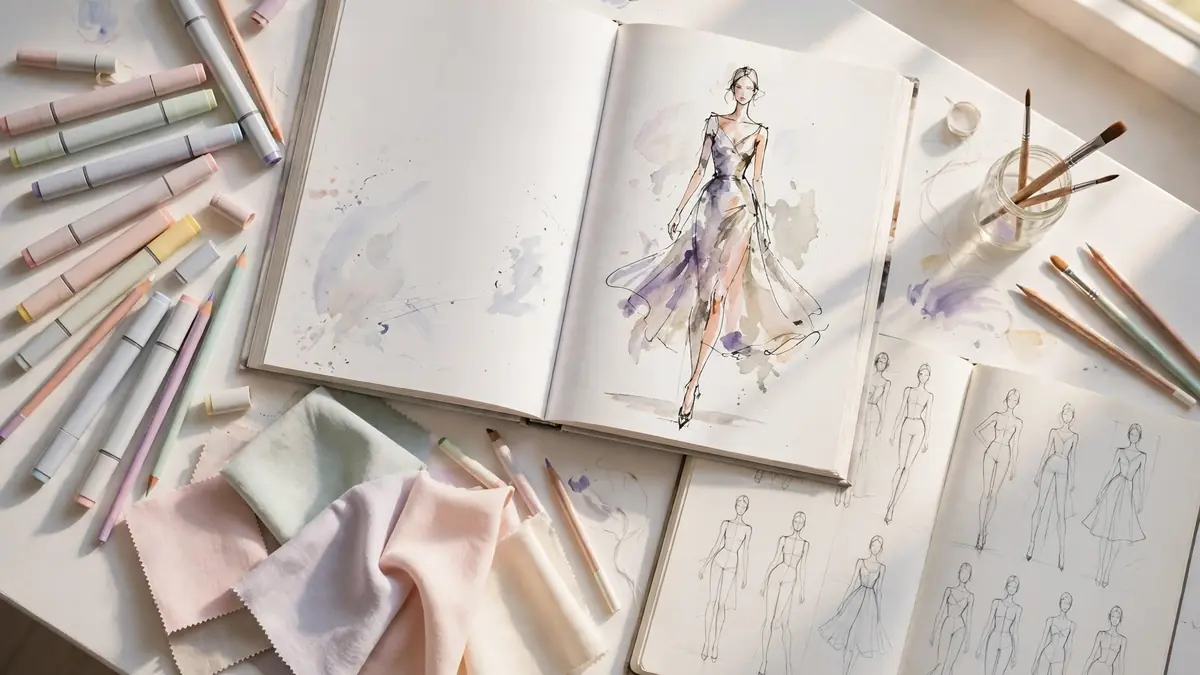
Most people do not have a style problem. They have a wardrobe problem. Clothes pile up, outfits still feel wrong, and mornings turn into a daily argument with a full closet. Sound familiar? The fix is rarely more shopping. It is better decisions.
Style is a skill, not a talent. Anyone can learn it, and 2026 is a good year to start. This year the fashion world is leaning toward calm colours, better fabrics, and clothes that earn their place. You do not need a new wardrobe. What you need is a clearer eye, a few honest rules, and a plan you can actually follow. This guide gives you all three.
What Does “Better Style” Actually Mean in 2026?
Good style is not about following every trend. It is about looking like yourself on your best day, every day. The most stylish people in a room are rarely the ones wearing the loudest outfit. They are the ones whose clothes fit well, whose colours work together, and who look comfortable in what they are wearing.
Fashion writers have a name for the mood of 2026: elevated pragmatism. The idea is simple. Take the basics you already wear and upgrade them. A better fabric. Then a cleaner cut. And a smarter silhouette. Instead of chasing novelty, you refine what works. A plain white shirt becomes a crisp linen one. Meanwhile, a tired pair of jeans becomes a straight-leg pair in a deep wash. Nothing screams. Everything works harder.
That shift suits real life. Clothes should survive a commute, a meeting, and dinner without a change of outfit. They should mix with each other without a spreadsheet. And they should last longer than one season. Style in 2026 is less about what is new and more about what is right.
What Are the 2026 Colour Trends Worth Knowing?
Colour is the fastest way to change how an outfit feels. This year, two official colour announcements set the tone, and both point in the same direction: calm, grounded, and quietly confident.
Pantone Cloud Dancer, officially PANTONE 11-4201, is Pantone’s Colour of the Year for 2026. The announcement came on 4 December 2025. It is a soft, airy white, described by Pantone as “a whisper of calm and peace”. That choice makes history: no white has ever been chosen since the programme began, and it follows Mocha Mousse in 2025 and Peach Fuzz in 2024. Pantone calls it a structural colour and a blank canvas. In plain terms, it is a shade that lets everything else breathe.
WGSN and Coloro went a different way. Their Colour of the Year for 2026 is Transformative Teal, Coloro 092-37-14. They describe it as “a fluid fusion of dark blue and aquatic green”, chosen for an Earth-first mindset and a mood of resilience and redirection. Interest is already moving: teal searches are up 9% year on year. WGSN also reports that 98% of respondents say colour influences their buying decisions. Their previous picks were Future Dusk for 2025 and Apricot Crush for 2024.
Runway colour tells the same story with more drama. Fall 2026 at New York Fashion Week put cherry red in the lead, backed by royal purple, chocolate brown, soft grey, butter yellow, and electric blue. Our guide to fall fashion trends for 2026 breaks down all eighteen looks, from the faux fur grandma coat to the funnel neck and the return of the tie.
Notice the pattern. Soft whites, deep teals, warm browns, and one bold red. Nothing here demands a full wardrobe replacement. A chocolate brown jacket, a teal knit, or a cream shirt brings you right into 2026. Brown deserves special attention this year. It is the quiet star of the season, and our guide to how to wear brown in 2026 shows fifteen easy ways to style it, from camel coats to chocolate suede.
How Do You Find the Colours That Suit You?
Trends tell you what is available. Your own colouring tells you what flatters you. Start there, and trends become a spice instead of a rule.
Hold a garment near your face in daylight. Does your skin look brighter, or does it look tired? Bright means the colour works. Tired means it fights you. Do this with three or four shades and a pattern appears fast. Most people suit either warm tones (cream, camel, olive, rust) or cool tones (white, navy, teal, burgundy). You do not need a professional colour analysis to learn this. A mirror and ten minutes will do it.
Once you know your direction, use the 60-30-10 rule to build outfits. Sixty percent of the outfit is your main colour, usually a neutral like navy, charcoal, cream, or brown. Thirty percent is a supporting colour, often a second neutral or a muted tone. Ten percent is the accent: a scarf, a bag, shoes, or a bold top. The rule keeps outfits balanced without any guesswork.
Two more shortcuts help on busy mornings. The three-colour rule says never wear more than three colours at once. It sounds strict, but it stops the visual noise that makes outfits feel messy. The sandwich method is even simpler: match your top to your shoes and let the bottom be different. A cream shirt, dark jeans, and cream loafers look finished in seconds. Try a navy top, grey trousers, and navy shoes for the same effect.
Your colour palette starts with neutrals. They are your foundation, not your whole personality. Build the base in cream, black, navy, grey, and brown. Then add one or two accent colours you love. Teal is a strong choice for 2026. Cherry red works as a small pop. Butter yellow lifts a grey outfit without shouting. Pick accents that suit your skin, not just the shop window.
Why Does Fit Beat Labels Every Time?
Ask a tailor what matters most and the answer is always the same: fit. A cheap shirt that fits perfectly looks better than an expensive one that does not. Fit is also the cheapest upgrade in fashion. It costs nothing to choose the right size. Fit and proportion together decide whether an outfit looks expensive or accidental.
Start with the shoulders. A jacket or shirt should sit at the edge of your shoulder bone, not droop past it and not pull inward. Sleeves should end at the wrist bone. Trousers should break once at the shoe, not pool around the ankle. These three checks fix most fit problems in under a minute.
Proportion is fit’s quiet partner. It is the balance between the top and bottom of an outfit. A loose top works best with a fitted bottom. An oversized bottom needs a tailored or cropped top. Two loose pieces together swallow your shape. In contrast, two tight pieces together look strained. One relaxed piece and one fitted piece is the balance that almost always works.
Length matters more than most people think. A top that ends at the hip suits most bodies. For jackets, covering the seat but not the thigh is the safe zone. Trousers that are too long make legs look shorter. A small hem change can transform a pair of trousers, and a tailor charges far less than a new pair costs.
Try everything on before you buy it. Sit down in it. Walk in it. Raise your arms. If you have to adjust it constantly in the shop, you will adjust it constantly at home. Put it back. The right fit feels like nothing at all.
What Belongs in a Wardrobe That Actually Works?
A wardrobe that works is smaller than you think. The capsule wardrobe idea was coined by London boutique owner Susie Faux in the 1970s. Her idea was a small collection of essential pieces that mix and match, with a few seasonal additions. A typical seasonal wardrobe, or active capsule, holds around 30 to 40 pieces for about three months. That sounds small. It feels generous once every piece earns its place.
Project 333 takes the idea further. Created by Courtney Carver in 2010, it challenges you to dress with 33 items for 3 months. Shoes, accessories, jewellery, and outerwear all count toward the 33. Underwear, sleepwear, in-home lounge wear, and workout clothes worn only for exercise do not count. A wedding ring or a sentimental piece you never take off does not count either. Thousands of people have tried it. Most report the same surprise: getting dressed gets easier, not harder.
You do not need to go that far. Start with capsule basics: a simple core of pieces that all work together. Here is a solid starting capsule for most people:
| Category | Pieces | Why they earn their place |
|---|---|---|
| Tops | White shirt, cream knit, striped tee, plain black tee | Four tops cover smart, casual, and layered looks |
| Bottoms | Straight-leg jeans, tailored trousers, midi skirt or chinos | Three bottoms multiply every top into new outfits |
| Layers | Camel coat, brown suede or leather jacket, blazer | Layers set the mood and handle the weather |
| Shoes | Leather loafers, white trainers, ankle boots | Three pairs cover work, weekends, and bad weather |
| Accessories | Leather belt, simple watch, one scarf, one bag | Small pieces change an outfit without new clothes |
That is nineteen pieces. Every top works with every bottom. Each layer works over every top. That is the test. If a new piece does not work with at least three things you already own, it does not belong in the capsule yet.
Modular dressing is the habit that makes a capsule feel endless. One piece should dress up or down. A white shirt works under a blazer at work and open over a tee at the weekend. Similarly, a camel coat works over jeans and over a dress. When every piece has two or three jobs, a small wardrobe behaves like a big one.
How Do You Mix Texture Without Looking Messy?
Colour gets the attention, but texture does the quiet work. A flat outfit in one fabric looks dull even in the right colour. Mixed textures add depth without adding noise.
Texture mixing sounds technical, but the rule is simple. Pair a smooth fabric with a rough one. Denim and satin is a classic combination. Cotton and sheer works the same way. A chunky knit next to smooth leather looks considered, not accidental. The rule is contrast, not chaos. Two textures in one outfit is plenty. Three is the limit.
Season guides the choice. Wool, suede, and corduroy belong to cold months. Linen, cotton, and light knits belong to warm ones. Velvet has moved into daytime looks for fall 2026, which surprises people who only associate it with evenings. A velvet blazer over jeans is the easiest way to try it.
Shine needs a matte partner. A satin blouse looks best with matte trousers or denim. Meanwhile, a leather jacket softens next to a cotton tee. Sequins and gloss belong to one piece at a time. Let the texture be the statement and keep the colour calm.
What Is Elevated Pragmatism, and Why Is It the Look of 2026?
Elevated pragmatism sounds like a fashion magazine phrase. The idea behind it is practical. Upgrade the fabric, the fit, and the silhouette of the basics you already wear. That is the whole trick.
Take a plain outfit and lift one element. A cotton tee becomes a heavyweight organic cotton tee. Next, a shapeless cardigan becomes a structured knit. Finally, a tired pair of trainers becomes clean leather ones. Each swap is small. Together they change the whole impression.
Silhouette is the other half of the upgrade. Relaxed suits, drop waists, and funnel necks all appeared on the fall 2026 runways. None of them requires a new wardrobe. A relaxed blazer over straight jeans gives you the shape. Or try a funnel-neck knit over tailored trousers for the same effect. The point is a clean line from shoulder to hem, not a tight one.
Comfort is part of the look now. The 2026 wardrobe respects real life. Clothes that pinch, ride up, or need constant adjusting have no place in it. If you cannot sit, walk, and reach in it, it is not practical, however good it looks on a hanger. Style that fights your body is not style. It is a costume.
How Do You Build a Signature Style Instead of Copying Trends?
Trends change every season. A signature stays with you. Personal style is not about owning more clothes. It is the small set of choices that make your outfits recognisably yours. Drama is not required. Consistency is.
Start by noticing what you reach for on your best days. Is it a certain colour? Perhaps a particular shape? Maybe a piece of jewellery? Or a way of rolling sleeves? Those repeats are your signature trying to happen. Lean into them. Wear the thing you love three times a week instead of saving it for special days.
Signature elements work best when they are simple. A red lip. Try a leather watch. Add a scarf knotted the same way. Or a favourite silhouette, like wide trousers or a shirt dress. One or two repeating details are enough. Five is a costume.
Footwear sets the mood of an outfit faster than anything else. Trainers say relaxed. Loafers say polished. Boots say ready for anything. Change the shoes and the same clothes tell a different story. That is why a small shoe collection beats a big one. Three good pairs, each with a clear job, cover almost every day.
Copying influencers is the fastest way to lose your own style. Their clothes fit their life, their lighting, and their body. Yours fit yours. Take the idea, not the outfit. A colour combination, a layering trick, a proportion idea. Then make it yours with pieces you already own.
What Does Grooming Have to Do With Style?
Everything. The best outfit in the world loses to unwashed hair and creased clothes. Grooming is the frame around the picture. It costs little and changes everything. A short grooming routine beats an expensive one.
Skin comes first. Healthy skin makes every outfit look better, and the routine behind it is simple. Cleanse gently, moisturise, and protect from the sun. Thai beauty traditions have understood this for generations, building routines around light textures and strong sun protection for a hot climate. Our guide to Thai beauty secrets for 2026 covers the rituals and ingredients behind that approach, from tamarind and turmeric to the short, consistent routines Thai brands are known for.
Hair is the second frame. A good cut matters more than any product. Find a stylist who understands your hair type and see them regularly. Between cuts, keep it simple. Clean hair, a shape that suits your face, and a style you can repeat at home in five minutes. That is the whole system.
Details finish the job. Clean shoes. Ironed shirts. Trimmed nails. A bag that is not falling apart. None of these are glamorous. All of them are visible. People notice the small things before they notice the label.
Fragrance is the final touch, and it works like an accessory. One scent, worn consistently, becomes part of how people remember you. Travel sizes make it easy to try a scent before committing to a full bottle. Our guide to Issey Miyake travel sizes for 2026 shows how small formats work, from 10ml sprays to the clever two-part iGO bottle, and how to choose a scent for each season.
Psychologists have a name for the link between clothes and mind. Enclothed cognition is the idea that what you wear can influence your psychological processes and your mood. Dress well and you often feel sharper, calmer, and more confident. The effect is real enough that most people have felt it. A good outfit on a hard day is not vanity. It is a tool.
Where Do You Find Style Inspiration That Is Not a Shopping Feed?
Shopping feeds show you what to buy. Real inspiration shows you how to see. The best style ideas often come from places that sell nothing at all.
Exhibitions are a rich source. Fashion shows in museums let you study construction, colour, and silhouette up close, without any pressure to buy. The fashion exhibitions 2026 calendar is generous. First on the list, the Schiaparelli exhibition runs at the V&A from 28 March to 8 November 2026. Next, the Met’s Costume Art show runs from 10 May 2026 to 10 January 2027. Antwerp Six runs from 28 March 2026 to 17 January 2027. Queen Elizabeth II: Her Life in Style runs from 10 April 2026 to 18 April 2027. The Burberry Trench exhibition at the V&A runs from 21 September 2026 to 3 January 2027. Tate Britain’s The 90s runs from 8 October 2026 to 14 February 2027. Our guide to fashion exhibitions around the world in 2026 covers them all, with dates and what to look for.
Street style is another teacher. Watch what people wear on a normal Tuesday, not a runway. Notice the woman whose simple outfit looks expensive. Watch the man whose jacket fits perfectly. Ask yourself what makes it work. Usually the answer is fit, colour, or one confident choice, not money.
Old photographs work too. Family albums, film stills, and vintage magazines show styles that lasted. A well-cut coat from the 1960s still looks right today. That is the test of a good idea. If it looked good fifty years ago and still looks good now, it is not a trend. It is a classic.
How Do You Shop Smarter and Waste Less?
Most wardrobes are full of clothes that were never worn. A WRAP report from 2012 found that about 30% of the clothing in the average UK wardrobe had not been worn in at least a year, most often because it no longer fit. That is a third of every wardrobe sitting idle. The problem is rarely a lack of clothes. It is a lack of selection.
Secondhand fashion is the smartest answer, and it is growing fast. ThredUp’s 2024 Resale Report projected that the US secondhand apparel market would hit $73 billion by 2028. It also found that 52% of consumers bought secondhand in 2023. The quality is often better than new fast fashion, because older clothes were made to last. A secondhand cashmere knit or leather jacket beats a new synthetic one at the same price.
Resale first is a good rule for statement pieces. A bold coat, a printed dress, or an unusual bag is fun for a season and hard to wear for years. Buy it secondhand. Save new purchases for the basics you wear every week. Your wardrobe stays fresh and your spending stays sane.
The waste numbers explain why this matters. According to the Ellen MacArthur Foundation, less than 1% of old clothing becomes new clothing, and every second, a truckload of textiles is landfilled or incinerated. Buying less and buying better is the only honest answer.
Returns are part of the same problem. The National Retail Federation’s 2023 Retail Returns report put the return rate across US retail at 14.5%. Every return is a parcel shipped twice and often a garment that never sells again. Try clothes on before buying. Order one size, not three. Keep what fits and stop the cycle.
Before you buy anything, ask three questions. Do I love it? Does it work with at least three things I own? Will I wear it thirty times? Three yes answers means buy it. Anything less means put it back. The thirty-wear test is the simplest quality filter ever invented.
What Does a 30-Day Style Reset Look Like?
Advice only works when it becomes a habit. Here is a four-week plan that turns this guide into a new wardrobe without a shopping spree. One week at a time. No step takes more than an hour.
Week one: the wardrobe audit. Take every piece out of your wardrobe. Try on anything you have not worn in six months. Keep what fits, flatters, and feels like you. Bag the rest for donation or resale. Photograph the keepers. You will see the gaps clearly once the noise is gone.
Week two: the foundation. Write down what is missing from your capsule. A white shirt? What about a proper coat? Or shoes that are not falling apart? Buy only the missing wardrobe basics, and buy the best quality you can afford. Fit comes first. Fabric comes second. Brand comes nowhere.
Week three: the colour test. Hold your clothes near your face in daylight. Sort them into your colours and the rest. Move the rest to the back of the wardrobe. Build five outfits using the 60-30-10 rule and photograph each one. Mornings get faster when outfits are already decided.
Week four: the polish. Book a haircut. Clean your shoes. Iron the shirts. Pick a signature detail and wear it every day. Try one texture combination and one new proportion. By the end of the month, your style is not a project any more. It is a habit.
Which Style Mistakes Should You Stop Making?
Most style mistakes are habits, not crimes. They are easy to fix once you see them.
- Buying for a fantasy life. The sequinned dress for parties you never attend. Then there are the hiking boots for mountains you never climb. Buy for the life you actually live.
- Keeping clothes that do not fit. The jeans from five years ago. Or the jacket that pulls at the buttons. They take up space and make you feel bad. Let them go.
- Wearing too many trends at once. One trend per outfit is the limit. Two trends fight each other. Three look like a costume.
- Ignoring shoes. Scuffed shoes undo a perfect outfit in seconds. Clean them. Repair them. Replace them when they are done.
- Chasing cheap. Three cheap shirts that fall apart cost more than one good one that lasts. Quality is cheaper over time.
- Dressing for other people. If you do not feel like yourself in it, you will not wear it well. Comfort and confidence are part of the outfit.
How Can I Improve My Fashion Style on a Budget?
Start with what you own. An audit costs nothing and usually finds outfits you forgot you had. Then fix fit before buying anything new. A tailor’s hem or a taken-in waist costs far less than a replacement. Shop secondhand for statement pieces and save new purchases for basics you wear weekly. The thirty-wear test keeps spending honest. If a piece will not earn thirty wears, it is not a bargain at any price.
How Many Clothes Do I Actually Need?
Fewer than you think. A capsule of around 30 to 40 pieces for a season covers most lives comfortably. Project 333 shows that 33 items for three months is enough, including shoes and outerwear. The exact number matters less than the rule behind it. Every piece should work with at least three others. If it does not, it is decoration, not clothing.
What Is the Easiest Way to Look More Stylish Tomorrow?
Iron your clothes, clean your shoes, and wear one colour combination you know suits you. That alone lifts most outfits. Then add one simple rule: one relaxed piece, one fitted piece. A loose knit with straight jeans. Or a tailored blazer with a soft tee. The change takes five minutes and people will notice.
Should I Follow Every 2026 Fashion Trend?
No. The 2026 fashion trends are a menu, not a prescription. Take the ones that suit your colouring, your life, and your budget. Cloud Dancer white, Transformative Teal, chocolate brown, and cherry red are all easy to add in small doses. A teal scarf. Maybe a brown jacket. Or a white shirt. You do not need to rebuild your wardrobe to be current. One or two well-chosen updates will do it.
Style is not a destination. It is a habit of paying attention. Notice what fits. Pay attention to what flatters. And remember what you reach for on your best days. Build around that, season after season, and your wardrobe becomes smaller, better, and easier. That is the real trend of 2026. Less noise. Better choices. Clothes that feel like you. These fashion style tips work at any budget, in any climate, and for any body.