Imagine arriving at a house rather than a hotel. The owner opens the door, shows you to a room with a name instead of a number, and asks what time you would like breakfast. There is no lobby, no lift, and no front desk queue. Instead, there is a living room with books, a garden you can sit in, and a host who knows the area street by street. That is the promise of a small stay, and it is also the reason first-time guests have so many questions.
Bed and breakfast stays explained in one guide means untangling three stay types that travellers often confuse: bed and breakfasts, inns and guesthouses. They share a family resemblance, yet each one works differently. Below, you will find clear definitions, what each stay includes, how they compare with hotels, the house rules that surprise newcomers, and how to choose the right one for your trip.
What Is a Bed and Breakfast?
What is a bed and breakfast? In plain terms, it is a small, privately owned lodging that offers an overnight stay plus a morning meal. Most B&Bs have only a handful of rooms, often fewer than a dozen, and the owner usually lives on the property. Because the scale is small, the stay feels personal rather than transactional.
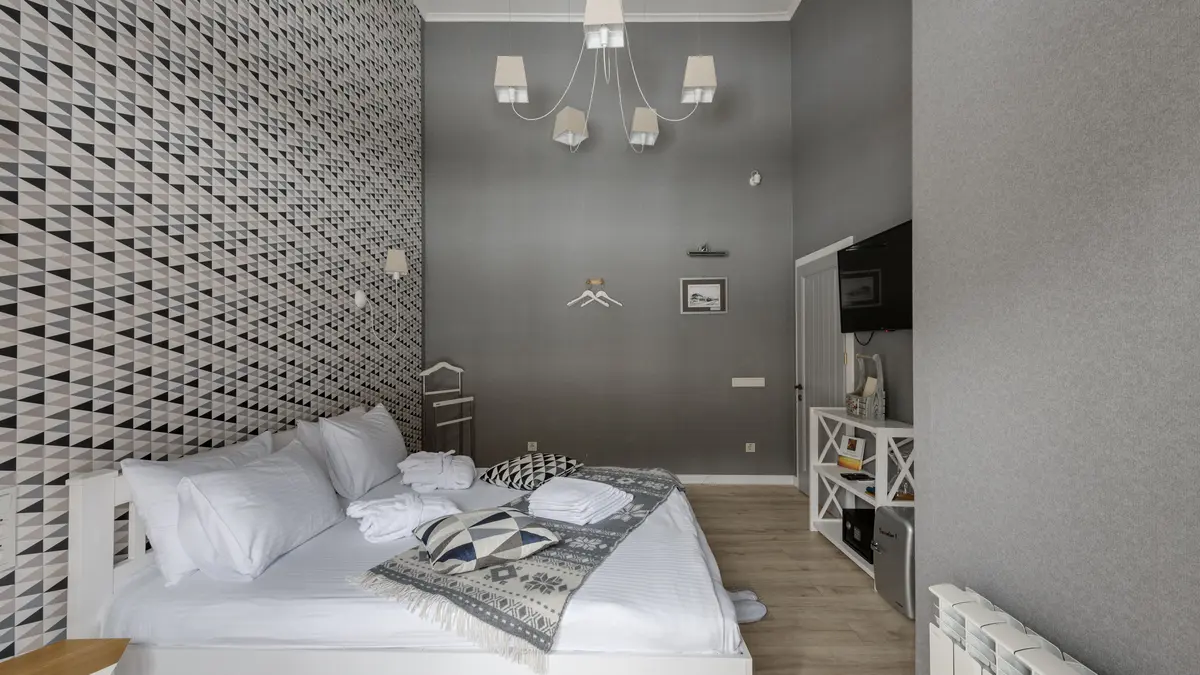
Bed and breakfast meaning goes beyond the two words in the name. The bed is a room in someone’s home or a converted house, decorated individually rather than to a brand template. The breakfast is usually cooked on site and served in a shared dining room at a set time. As a result, the morning meal becomes part of the experience, not just a buffet you rush through.
Most B&Bs offer a private bathroom in many rooms, though some older houses still have shared baths, so check the listing. Wi-Fi and basic toiletries are common, and many properties have shared common areas such as a living room or garden. On the other hand, you will not find a gym, a spa or a twenty-four-hour reception. The trade is simple: personal attention in place of hotel facilities.
What Is an Inn?
What is an inn? Historically, an inn was a roadside lodging for travellers, offering a bed, a meal and stabling for horses. Today, the word usually means a small hotel with a restaurant or pub attached, often in a village or rural setting. Inns tend to be larger than B&Bs, with more rooms and a public dining room that serves lunch and dinner as well as breakfast.
The inn sits between a B&B and a hotel. It has more structure than a B&B, with set meal times and a small team of staff, yet it keeps a local character that chains rarely match. For example, a country inn might serve dinner in a wood-panelled dining room, with a menu built around local produce. In addition, many inns welcome walkers, cyclists and other travellers passing through the area.
An inn is a good choice when you want the warmth of a small stay plus the convenience of dinner on site. However, the experience varies widely, since the word inn is used loosely. Some inns are closer to small hotels, while others are closer to pubs with rooms. Before you book, read the listing carefully and check what meals are actually served.
Guesthouse Meaning
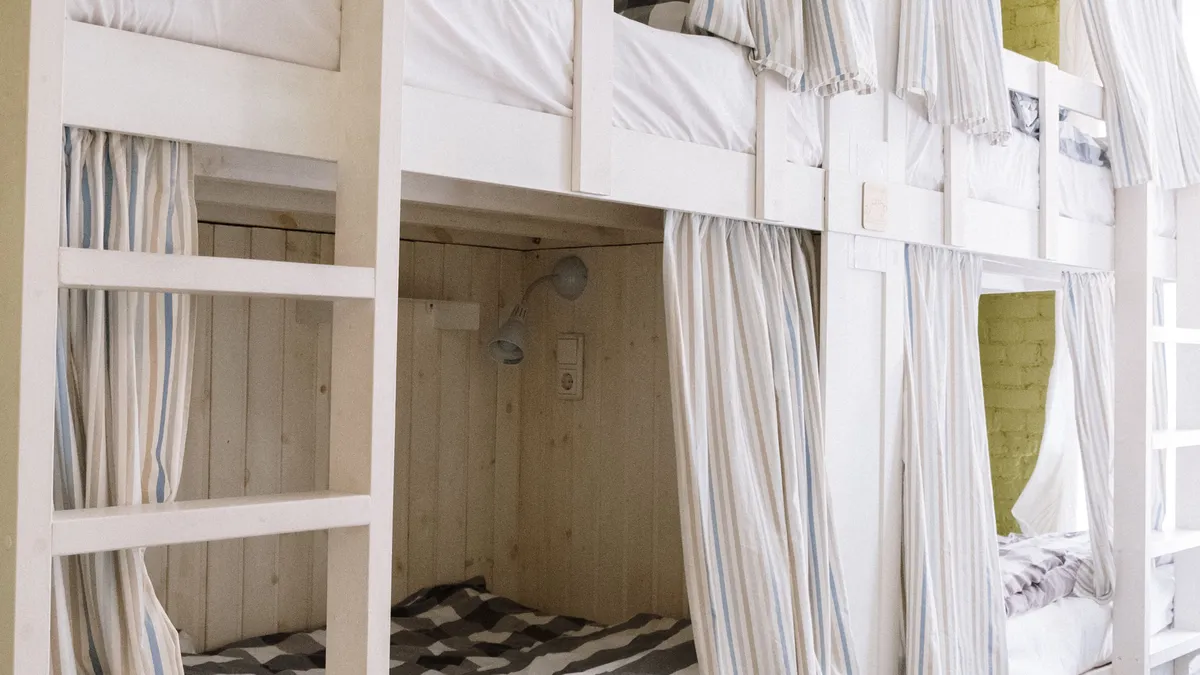
Guesthouse meaning is the broadest of the three terms. A guesthouse is a small, privately run lodging, often a converted house, that offers rooms to travellers. In some countries, the word covers almost any small family-run stay. In others, it means a simpler property than a B&B, with fewer services and a lower price.
Staying at a guesthouse usually means a straightforward deal: a clean room, a bed, and a host who can point you toward the town. Breakfast may be included, or it may be an optional extra. Similarly, the host may live on site or nearby, and check-in may be arranged by message rather than at a desk. Because the term is so flexible, the listing matters more than the label.
Guesthouses suit travellers who want a local base without the formality of a hotel. They are common in coastal towns, rural areas and smaller cities. On the other hand, standards vary more than with B&Bs, since guesthouses range from comfortable family homes to very basic rooms. Recent guest reviews are the best guide to what a particular guesthouse actually offers.
How Do the Three Stay Types Compare?
The three stay types overlap, yet each has a centre of gravity. A B&B centres on the host and the breakfast. An inn centres on the building, the dining room and the village around it. A guesthouse centres on a simple, affordable room in a local home. Once you see those centres, the choice becomes easier.
Bed and Breakfast vs Hotel
Bed and breakfast vs hotel is the comparison most first-time guests make. A hotel offers scale: many rooms, standard layouts, round-the-clock staff, a gym and a restaurant with long hours. A B&B offers the opposite: few rooms, individual decor, a host who knows your name, and breakfast cooked to order. As a result, hotels suit travellers who want predictability, while B&Bs suit travellers who want personality.
The practical differences show up in the details. Hotels have strict check-in systems and late checkout options. B&Bs have a check-in window, because the innkeeper must be there to greet you. Hotels have room service and a bar. B&Bs have a living room and a garden. Neither list is better in itself; the better list is the one that fits your trip.
Inn vs Hotel
Inn vs hotel is a closer contest, because inns have more hotel-like structure. An inn has a dining room, a small team and set hours. However, it rarely has a gym, a pool or a conference room. In addition, the rooms are usually individual rather than standardised. A traveller who wants dinner on site and a local feel will enjoy an inn. A traveller who needs a business centre and a late checkout will be happier in a hotel.
Guesthouse vs Hotel
Guesthouse vs hotel comes down to simplicity against service. A guesthouse gives you a room and a host, often at a lower price than a hotel. A hotel gives you systems, staff and facilities. If you plan to spend your days out exploring, a guesthouse can be the better value. If you want a base with full services, the hotel wins.
Inn vs Bed and Breakfast
Inn vs bed and breakfast is the subtlest comparison of the three. Both are small and personal. The difference is scale and dining. An inn is larger, has a public restaurant, and serves dinner as well as breakfast. A B&B is smaller, serves breakfast only, and feels more like staying in a home. For a short romantic break, a B&B often feels more intimate. For a longer rural stay, an inn’s dining room can be a real advantage.
What to Expect at a Bed and Breakfast?
What to expect at a bed and breakfast starts with the arrival. There is no lobby, so you ring the bell or knock, and the innkeeper welcomes you in person. They will show you the room, explain the house, and ask about breakfast preferences and dietary needs. This personal welcome sets the tone for the whole stay.
The room itself is usually decorated individually, with furniture and art that reflect the house rather than a brand. Some rooms have a fireplace, a reading chair or a view over the garden. In addition, the bathroom may be en suite or shared, so confirm this before you book. If a shared bathroom worries you, filter listings for private bathrooms only.
Common areas are part of the charm. A living room with books and board games, a garden with chairs, or a porch for morning coffee all invite you to slow down. You may meet other guests over breakfast, and those conversations can be a highlight. On the other hand, if you prefer privacy, most B&Bs will seat you separately or at a different time. Just ask when you book.
Bed and Breakfast Breakfast Included
Bed and breakfast breakfast included means the morning meal is part of the room rate, not an extra. The meal itself varies. Some B&Bs serve a full cooked breakfast with local ingredients, while others offer a lighter continental spread of pastries, fruit and coffee. Many ask you to choose from a menu the night before, or to note dietary needs at booking.
Breakfast is usually served at a set time in a shared dining room. Because the innkeeper cooks for a small number of guests, the meal can be tailored in a way a hotel buffet cannot. If you have dietary restrictions, mention them when you book rather than on arrival. That gives the kitchen time to prepare properly. In addition, some B&Bs offer afternoon tea or dinner by arrangement, usually at an extra cost.
Bed and Breakfast Check-In
Bed and breakfast check-in works differently from hotel check-in, and the difference catches newcomers out. Because the innkeeper must be present, most B&Bs set a check-in window, often in the afternoon. Arriving outside that window can mean waiting, or even finding nobody home. Therefore, confirm your arrival time in advance, and message the innkeeper if your plans change.
Checkout is usually simpler. Many B&Bs ask you to leave the key in the room or hand it to the host at breakfast. Some have a set checkout time, often late morning. If you need an early departure, say so the night before, since breakfast may be served after you leave. A little communication prevents most friction.
Before you arrive, confirm three things: the check-in window, whether the bathroom is private, and what breakfast includes. Those three answers remove almost every surprise a first-time B&B guest faces. In addition, ask about parking, since small properties in old towns may have limited space.
Bed and Breakfast Etiquette
Bed and breakfast etiquette is mostly common sense, yet it differs from hotel behaviour in a few ways. First, remember that you are staying in someone’s home. Keep noise down in the evening, respect quiet hours, and treat shared spaces as you would a friend’s living room. Second, be on time for breakfast, since the innkeeper cooks for the group at a set hour.
Tipping is a common question. At most B&Bs, tipping is not required, though it is appreciated for exceptional service. If you want to thank the staff, leaving cash for housekeeping is a common gesture, but there is no fixed standard. In addition, ask before using the kitchen, since access varies from one property to another.
Conversation with the host is part of the stay, yet it is not an obligation. Innkeepers enjoy sharing local tips, and a short chat can lead to a restaurant or walk you would never have found alone. However, if you prefer quiet, a polite good morning and a smile is enough. The host will take the cue.
Are Bed and Breakfasts Cheaper Than Hotels?
Are bed and breakfasts cheaper than hotels? The honest answer is that it depends on the comparison. A B&B room often costs less than a comparable hotel room in the same area, and breakfast is included in the rate. Once you add the cost of breakfast bought separately at a hotel, the B&B can work out cheaper.
However, the comparison is not always straightforward. A luxury B&B with individually decorated suites can cost more than a mid-range hotel. Similarly, a hotel loyalty member may earn points that reduce the effective cost of a chain stay. Because of this, compare the total cost of the stay, including breakfast, parking and any extras. For a deeper look at how hotel value works, read our guide on how to choose a luxury hotel, which explains what room categories and star ratings really buy.
Value is not only about price. A B&B includes local knowledge, a cooked breakfast and a personal welcome, which a hotel charges for through other services. On the other hand, a hotel includes facilities a B&B cannot match. The cheaper stay is the one that gives you what you actually use.
Bed and Breakfast for Couples
Bed and breakfast for couples is one of the strongest matches in travel. Small properties offer privacy, quiet rooms and a personal welcome that large hotels struggle to match. Many B&Bs sit in scenic villages or historic towns, which suits a slow weekend together. In addition, the breakfast table can feel like a shared ritual rather than a buffet queue.
Couples planning a romantic break can pair a B&B with a destination guide. The places to visit in Paris for couples guide suits a city break, while the best places to visit in Istanbul for couples guide covers a city where small stays and old neighbourhoods go together. For a summer trip, the best places to visit during fall in Europe guide helps with seasonal planning, and the best places to visit in England during summer guide suits a countryside B&B holiday. If budget matters, the best places to visit in the summer cheap guide shows how to keep the whole trip affordable. And for a farm-stay alternative with the same small-scale charm, Agriturismo Italy explains farm stays, food and how to choose one.
When booking as a couple, check the bed configuration, since some B&B rooms have twin beds rather than a double. Also confirm whether the room has a private bathroom and whether breakfast can be served in the room or a private corner. Small details like these shape a romantic stay more than the star rating does.
How to Choose the Right Small Stay?
Choosing well starts with knowing what you want from the stay. If breakfast and a personal host matter most, a B&B is the natural pick. An inn fits better when dinner on site and a village setting matter most. If a simple, affordable room is enough, a guesthouse will do. Each type has a centre, and your trip has a centre too. Match them.
Then, read recent reviews with a purpose. Look for comments on the host, the breakfast, the bathroom situation and the noise level. In addition, check the photos for the actual room, not just the garden. If the listing is vague about the bathroom or the check-in window, message the host before you book. A clear answer is a good sign; a vague one is a warning.
Finally, think about the area. A B&B in a quiet village suits a slow break, while a guesthouse near a station suits a touring holiday. The stay and the place work together, so choose both with the same care. A small stay rewards that care with a holiday that feels personal, local and genuinely memorable.