England in summer is a different country from the one you meet in winter. The light lasts until after nine at night. Village greens fill with cricket. Pub gardens spill onto pavements. And the same places that feel grey and hurried in February turn golden, slow and generous. The best places to visit in England during summer reward travellers who plan around the season, not against it.
This guide covers nine places, from London to the Lake District, for England summer holidays of every kind. It gives verified 2026 prices, the best weeks to go, and honest advice about crowds and costs. Every figure comes from a published source. Where prices vary by date, the guide says so plainly.
When Is the Best Time to Visit England in Summer?
Summer in England runs from June to August. The warmest weeks usually fall in late July and early August. London and the south-east average 22–25°C by day. The north and the Midlands sit a few degrees cooler, at 19–22°C. Rain can arrive in any month, so pack a light waterproof even on a sunny forecast. The best places to visit in England during summer change with the month, so timing matters.
Early June and late August are the sweet spots for many travellers. Days are still long. School holidays have not yet started in early June, or are winding down in late August. Prices for hotels and cottages often sit below the July peak. The very best weeks for a quieter trip are the first two weeks of June and the last week of August.
July brings the biggest crowds. Bibury, Bourton-on-the-Water and the Lake District all feel busiest in mid-July. Book stays and timed tickets weeks ahead if you travel then. September keeps much of the warmth with far fewer visitors, and it suits walkers best.
What Makes London Special in Summer?
London is the natural start of almost any England summer trip. The city opens up in the warm months. Parks become the living rooms of the capital. Hyde Park, Regent’s Park and Hampstead Heath fill with picnics, open-air theatre and long evening walks.
Many of London’s great museums charge nothing for general admission. The British Museum, the National Gallery and the Natural History Museum all offer free entry. That makes London one of the best-value big cities in Europe in summer. Paid exhibitions inside the museums cost extra, so check prices before you go.
A river walk along the South Bank ties the city together. Start at Westminster Bridge in the morning. Pass the London Eye, the Tate Modern and Shakespeare’s Globe. Finish at Tower Bridge as the light turns gold. The walk takes about an hour at a gentle pace, without stops.
London in summer also means long evenings. Sunset falls after nine o’clock in late June. Rooftop bars and riverside pubs make the most of it. A sunset walk across Waterloo Bridge gives one of the finest free views in the city.
Why Are the Cotswolds the Classic English Summer?
The Cotswolds villages are the postcard version of England, and they rank among the best places to visit in England during summer for slow travel. Honey-coloured stone villages sit in rolling green valleys. Dry stone walls run across the hills. Country pubs serve lunch in gardens full of roses. It is the region most visitors picture when they dream of an English summer.
Bibury is the most photographed village in the area. Arlington Row, a line of seventeenth-century weavers’ cottages, draws crowds by mid-morning. Arrive before nine o’clock to enjoy it quietly. The River Coln runs beside the cottages, and trout swim in the clear water.
Bourton-on-the-Water earns its nickname as the Venice of the Cotswolds. Five low stone bridges cross the River Windrush in the centre of the village. Children paddle in the shallow water on hot days. The village also holds a model village, a motor museum and several tea rooms.
Castle Combe is smaller and quieter than its famous neighbours. Film crews love it, and it shows. The village has no street lights and almost no through traffic. Walk the short loop past the market cross and the church, then stop for lunch at a pub on the main street.
Stow-on-the-Wold sits on high ground at the northern edge of the region. Its market square is lined with antique shops and tea rooms. Chipping Campden, a few miles north, has one of the finest high streets in England. Its market hall dates from 1627.
The Cotswolds are best explored by car. Villages like Bibury and Castle Combe sit far from railway stations. Rural buses can run every two hours, or not at all on Sundays. Hire a car for a day, or walk a stretch of the Cotswold Way. Weekdays are much quieter than weekends in summer.
Where Are the Best Cornwall Beaches?
Cornwall has the mildest climate in England and some of its finest beaches. The Cornwall beaches rank among the best places to visit in England during summer for families. The county draws surfers, families and food lovers in equal measure. Its turquoise water surprises first-time visitors. On a calm July day, the coves around St Ives look almost Mediterranean.
St Ives Cornwall is the prettiest town on the north coast. Its harbour, narrow lanes and art galleries reward a slow day. The Tate St Ives gallery sits above Porthmeor Beach. Walk the coast path to Zennor for wild cliffs and sea views.
Newquay is the surf capital of England. Fistral Beach hosts national competitions and surf schools. Beginners can book a group lesson and be standing on a board within a couple of hours. The town itself is lively, so families often prefer quieter Padstow or St Mawes.
Padstow sits on the Camel Estuary and has become a food destination. Rick Stein’s seafood restaurants put it on the map. The town also suits cyclists. The Camel Trail runs eighteen miles from Padstow to Bodmin along a flat former railway line.
The Eden Project is Cornwall’s most famous attraction. Two giant biomes hold a rainforest and a Mediterranean garden. Eden Project tickets cost £38 for adults when booked online in advance, or £42 on the day, based on prices verified in January 2026. Children aged five to sixteen pay £12 online or £16 on the day. Under-fives go free. Every ticket doubles as an annual pass, so you can return free for a year.
The Minack Theatre is an open-air stage carved into cliffs above the sea near Porthcurno. Summer performances run through the season. Bring a cushion and a warm layer. Evenings on the cliff can turn chilly after sunset.
Book Cornwall stays early. The best cottages and hotels sell out months ahead for July and August. Consider visiting in early June or September for lower prices and emptier beaches.
How Should You Spend Summer in the Lake District?
The Lake District is England’s largest national park. It holds the country’s highest mountain and its deepest lakes. A Lake District summer is the best season for walking, boating and wild swimming. The best places to visit in England during summer for walkers sit in these fells and valleys. The landscape inspired Wordsworth and Beatrix Potter, and it still stops visitors in their tracks.
The largest lake in England is Windermere. Windermere boat trips run between Bowness, Ambleside and Lakeside all summer. A cruise is the easiest way to see the fells from the water. Book a morning sailing to avoid the afternoon crowds.
Scafell Pike, at 978 metres, is the highest peak in England. The climb from Wasdale Head takes most walkers three to four hours up and down. Start early on a clear day. Weather changes fast on the fells, so carry waterproofs and a map even in July.
Catbells is a shorter and friendlier climb near Keswick. The round trip takes about two hours. The view over Derwentwater from the summit is one of the finest in the park. It suits families and first-time walkers well.
Grasmere is the prettiest village in the Lakes. Wordsworth lived at Dove Cottage here, and his grave sits in the churchyard. The village is famous for its gingerbread, sold from a tiny shop by the church. Ambleside, at the northern end of Windermere, makes a good base for walks and boat trips.
Summer weekends are busy in the Lake District. Car parks fill by mid-morning at popular trailheads. Arrive before nine o’clock, or use the bus network. The open-top Lakesider bus runs between the main villages in summer.
What Makes Bath Worth a Summer Day?
Bath is a Georgian spa city and a UNESCO World Heritage site. Its honey-coloured crescents and Roman ruins make it one of the most beautiful cities in England. It sits about eighty minutes from London Paddington by train, which makes it an easy day trip or a two-night stay.
The Bath Roman Baths are the city’s star attraction, and Bath is one of the best places to visit in England during summer for history lovers. The site holds one of the best-preserved Roman spa complexes in the world. Adult tickets cost £26.50 on weekdays and £29.00 at weekends in the autumn 2026 season, when booked online in advance. Tickets bought on the day cost £2 more. An audio guide comes with the price. Children under six visit free.
The Royal Crescent is the city’s most famous address. Thirty terraced houses curve across a perfect lawn. Number One Royal Crescent is a museum that shows Georgian life upstairs and downstairs. The lawn below the crescent is a favourite picnic spot on summer evenings.
Bath Abbey stands beside the Roman Baths. Its tower climb gives a fine view over the city roofs. The abbey’s fan vaulting is among the best in England. Pulteney Bridge, lined with shops, crosses the River Avon a short walk away.
Summer is Bath’s busiest season. Book Roman Baths tickets online and choose an early slot. The city also runs open-top bus tours and river cruises. Both are pleasant ways to see the sights without walking uphill.
Why Visit Oxford and Cambridge in Summer?
Oxford and Cambridge are the two great university cities of England. Both sit less than two hours from London by train. Each city is walkable, beautiful and full of history. Summer brings punting, college gardens and long evenings on the river.
Oxford’s colleges open their quads and chapels to visitors in summer. Christ Church is the most famous, with its great hall and cathedral. The Bodleian Library runs guided tours of its historic reading rooms. Climb the tower of St Mary the Virgin for a view over the dreaming spires.
Punting is the classic Oxford summer activity. Hire a punt from Magdalen Bridge and drift down the Cherwell. The river passes meadows, college boathouses and the Botanic Garden. A chauffeured punt costs more but suits first-timers.
Cambridge offers a similar charm with a different feel. King’s College Chapel is the city’s masterpiece. Its fan-vaulted ceiling and stained glass are worth the entry fee. Cambridge punting on the River Cam passes the backs of the colleges, which look their best in summer light.
An Oxford day trip from London works well by train. Trains from Paddington reach Oxford in about an hour. Cambridge takes a similar time from King’s Cross. Both cities reward an early start and a slow afternoon.
What Is Brighton Like in Summer?
The easiest seaside escape from London is Brighton. Brighton beach is one of the best places to visit in England during summer for a quick escape. Trains from London Victoria take about an hour. The city mixes a pebble beach, a famous pier and the quirky shopping lanes of the North Laine. It suits a day trip or a weekend break.
Brighton Palace Pier is the classic English seaside. It holds fairground rides, arcades and fish and chip stalls. The beach itself is pebbles, not sand, so bring a thick towel or hire a deckchair. The sea stays cool even in August.
The Royal Pavilion is Brighton’s strangest building. George IV built it as a seaside palace with onion domes and minarets. Inside, the rooms mix Regency style with Chinese-inspired decoration. It is one of the most unusual palaces in Europe.
The Lanes are a maze of narrow streets full of independent shops, jewellers and cafés. The North Laine area adds vintage shops and street art. Both areas reward unhurried wandering. Street performers fill the lanes on summer weekends.
Walk east along the seafront to Brighton Marina, or take the cliff-top path to Rottingdean. The chalk cliffs and beach huts make a fine afternoon walk. Summer weekends are busy, so arrive before midday for a good spot on the beach.
Where Can You Walk in the Peak District?
The Peak District was England’s first national park, created in 1951. It sits between Manchester and Sheffield, and it offers moorland, limestone dales and pretty villages. Summer is the best season for walking its long-distance trails. The best places to visit in England during summer for hikers include the Peak District walks around Mam Tor and Dovedale.
Mam Tor is the most popular short walk in the park. The ridge from Mam Tor to Lose Hill gives wide views across the Hope Valley. The round trip takes about two hours. Start at Castleton, a village with caves, a castle and tea rooms.
Bakewell is the park’s best-known market town. Its pudding is famous across England. The town sits on the River Wye, and its five-arched bridge makes a fine photograph. Monday is market day, and the town fills with stalls.
Chatsworth House is one of England’s great stately homes. Its gardens, farmyard and adventure playground suit families. The house sits in a large park with deer and a river. Summer brings outdoor theatre and food festivals to the estate.
Dovedale is the prettiest valley in the Peak District. Stepping stones cross the River Dove at the start of the walk. The path runs through limestone cliffs and meadows. It is one of the busiest walks in the park, so go early or late in the day.
Which Summer Events Should You Plan Around in 2026?
England’s summer calendar is packed with sport, music and street festivals. Some events sell out months ahead. Others are free and open to all. Plan your dates around the ones that matter to you.
Wimbledon 2026 ran from 29 June to 12 July at the All England Club. Tickets come through a public ballot that opens in January. The queue for returned tickets is a London tradition in itself.
Royal Ascot took place from 16 to 20 June 2026. Henley Royal Regatta followed from 30 June to 5 July. The Open golf championship returned to Royal Birkdale from 12 to 19 July. The ICC Women’s T20 World Cup ran across England from 12 June to 12 July.
Glastonbury did not take place in 2026. The festival took its planned fallow year to let the Worthy Farm land recover. The next edition is scheduled for 23 to 27 June 2027. Many other festivals filled the gap in 2026, including Download at Donington Park and Creamfields over the August bank holiday.
Notting Hill Carnival closed the summer on 30 and 31 August 2026. It is Europe’s largest street festival. Sunday is Children’s Day, and Monday holds the main parade. Arrive early and plan your route home in advance.
The BBC Proms ran from 17 July to 12 September 2026 at the Royal Albert Hall. Promming tickets are among the cheapest in London. They sell on the day and suit spontaneous visitors.
How Do You Get Around England in Summer?
Trains connect the main cities well. London to Bath takes about eighty minutes. Oxford is about an hour away by train. Brighton also takes about an hour. Book advance tickets online for the lowest fares. Walk-up fares on the day can cost two or three times more.
Rural England needs a car. The Cotswolds, the Peak District and parts of Cornwall have thin bus services. Hire a car for a few days and return it in a city. Driving is on the left, and country lanes can be narrow. Allow extra time on summer weekends.
National Express coaches link most towns at low prices. They suit travellers on a budget who are not in a hurry. Megabus offers similar routes. Both are slower than trains but much cheaper.
Walking is part of the English summer. The South West Coast Path runs 630 miles around the south-west peninsula. The Cotswold Way runs 102 miles from Chipping Campden to Bath. Short sections of either make fine day walks.
How Much Does an England Summer Trip Cost?
Costs vary widely by region and by month. London and the Cotswolds cost the most. The Peak District and the north cost less. The table below gives labelled ranges for a typical day, excluding flights.
| Budget level | Daily cost per person | What it covers |
|---|---|---|
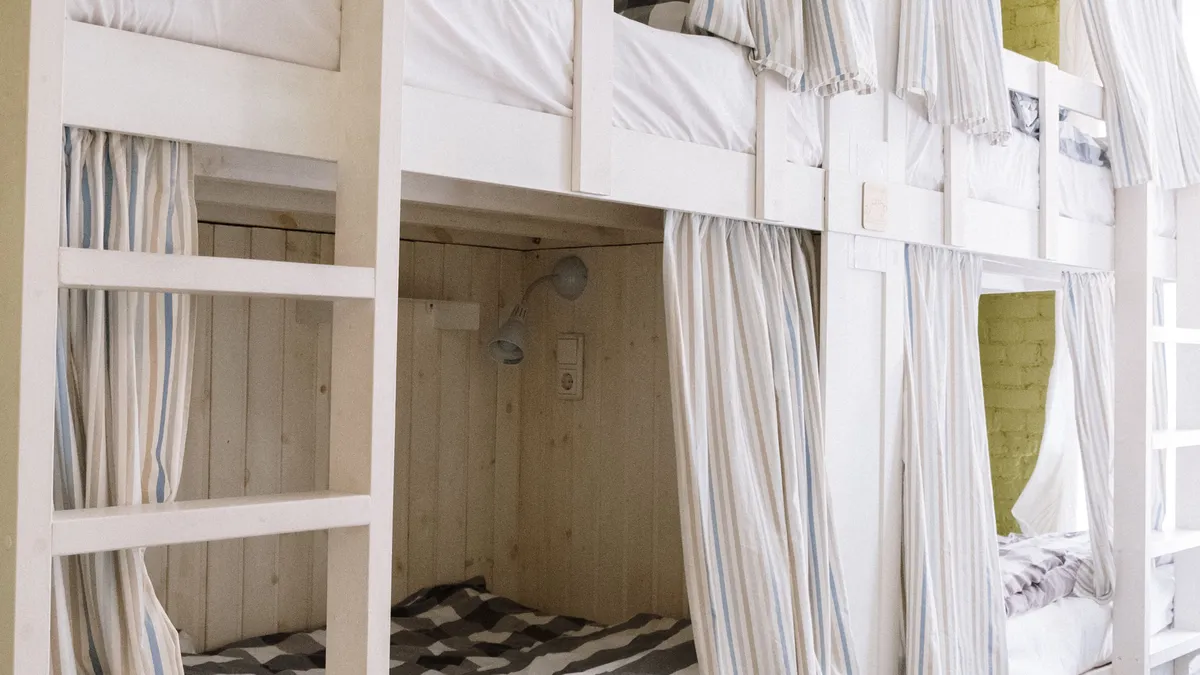
| Budget | £60–£90 | Hostel or budget hotel, self-catering, buses and trains, free museums |
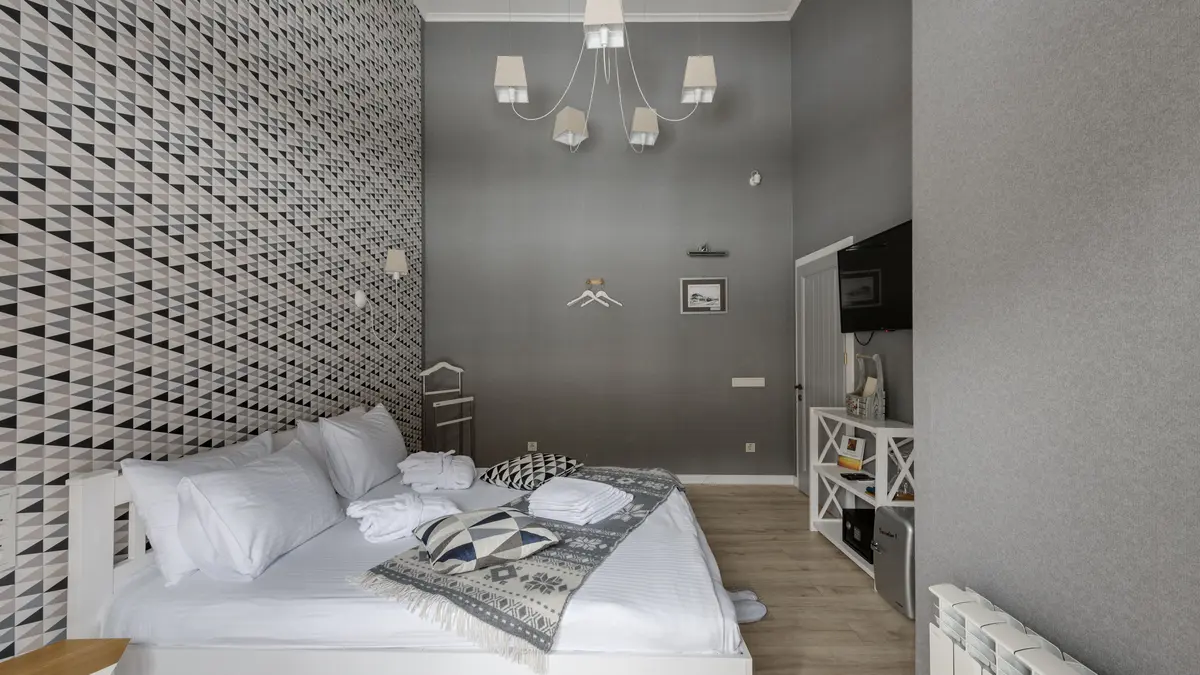
| Mid-range | £120–£180 | Three-star hotel or cottage, pub meals, trains, one paid attraction |
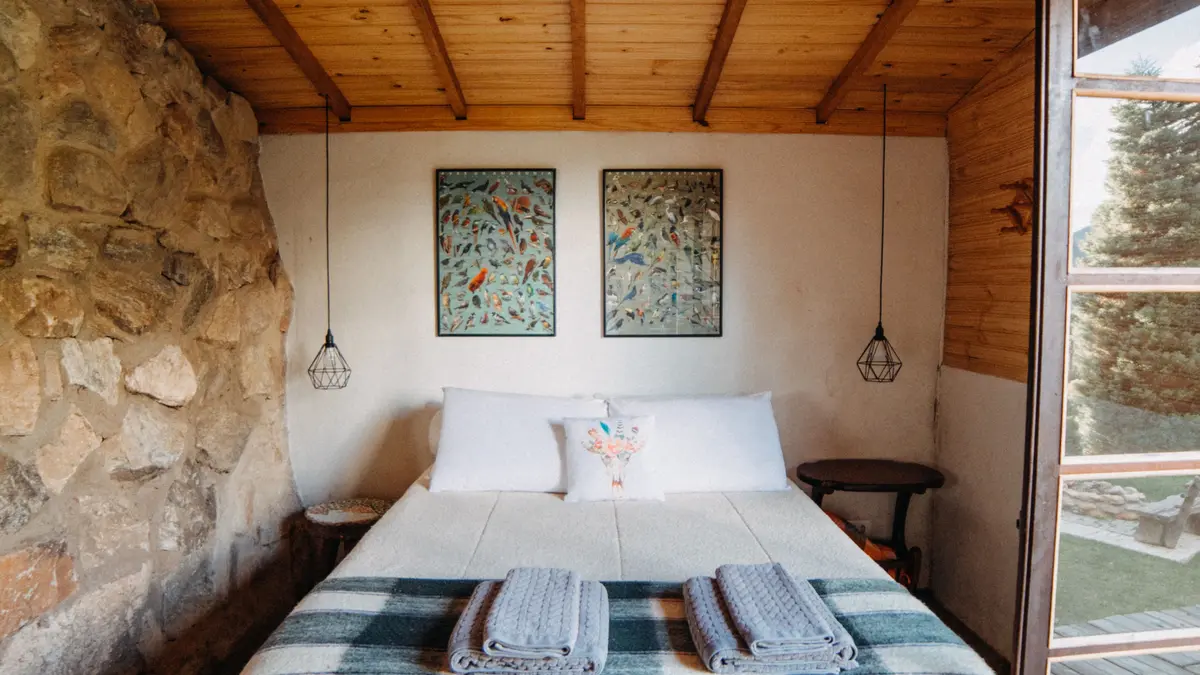
| Comfortable | £200 or more | Boutique hotel, restaurant dinners, car hire, several paid attractions |
Paid attractions add up fast. A family of four can spend £100 or more on a single day out. Many museums are free, and national parks cost nothing to enter. Balance paid days with free ones to keep costs down.
Food is a big part of the budget. A pub lunch costs around £12–£18 per person. Fish and chips by the sea cost about £10–£14. A cream tea in Devon or Cornwall costs around £8–£12. Self-catering cottages cut food costs sharply for families.
What Should You Know Before You Travel?
Most visitors from outside the UK now need an Electronic Travel Authorisation, known as an ETA. The fee is £20 per person, including children, since 8 April 2026. It is valid for two years or until the passport expires. Stays of up to six months are allowed per visit. British and Irish citizens do not need one. Apply through the official UK ETA app or GOV.UK. Other websites can charge much more than £20.
England summer weather is famously changeable. A hot morning can turn into a wet afternoon. Pack layers, a light waterproof and comfortable walking shoes. Sunscreen matters too. The sun is strong enough to burn on a clear June day.
Book the popular things first. Timed tickets for the Roman Baths, the Eden Project and college chapels sell out on summer weekends. Stays in Bibury, St Ives and the Lake District book up months ahead. Flights and trains cost less when booked early.
England uses the pound sterling. Cards work almost everywhere, including buses and small cafés. Cash is useful for village markets and rural pubs. Tipping is not expected in the same way as in the United States. A small tip for good service is welcome but never required.
How Can You Plan a 7-Day England Summer Trip?
A week is enough to see the best of England without rushing. This England road trip itinerary links the places in this guide by train and car. It covers several of the best places to visit in England during summer in one week. Driving stays short, and the plan leaves room for slow days.
Days one and two belong to London. Spend the first day on the South Bank and the second in the parks and museums. Stay near a Tube station to save time. Book a show or a river cruise for one evening.
Day three goes to Bath. Take the morning train from Paddington. Visit the Roman Baths first, then the Royal Crescent and the abbey. Stay overnight in Bath to enjoy the city after the day-trippers leave.
Day four moves into the Cotswolds. Pick up a hire car in Bath. Drive through Castle Combe, Bibury and Bourton-on-the-Water. Stay in a village pub or a country cottage.
Day five heads west to Cornwall. The drive takes about four hours. Spend the afternoon in St Ives and the evening on the harbour. Book two nights here if you can.
Day six is the Eden Project or the Minack Theatre. Both need a full morning. Spend the afternoon on a beach or a coast path walk. Try a pasty from a local bakery for lunch.
Day seven returns to London by train from St Austell or Truro. The journey takes about five hours. Break it in Exeter or Plymouth if you want a slower finish.
This plan skips the Lake District and the Peak District. Add three more days for the north. Take a train from London to Windermere, then drive through the Lakes and the Dales.
Frequently Asked Questions
What is the best month to visit England in summer?
June is the best month for long days and lighter crowds. July is the warmest but the busiest. August brings school holidays and peak prices. Late August softens again as families head home.
Is England expensive in summer?
England is not cheap in summer, but it can be managed. Free museums, free national parks and free coastal walks balance the paid attractions. Book trains and stays early. Cook some meals in a self-catering cottage.
Do you need a car in England?
You do not need a car for London, Bath, Oxford, Cambridge or Brighton. A car becomes useful for the Cotswolds, the Peak District and much of Cornwall. Hire for a few days and return it in a city.
What is the weather like in England in summer?
Expect daytime highs of 19–25°C, with cooler nights. Rain is possible in any month. The south-east is usually warmest and driest. The Lake District gets more rain than the south, even in July.
Is the Eden Project worth visiting?
Yes, for most visitors. The rainforest biome is genuinely impressive, and the site suits families well. The ticket doubles as an annual pass. Book online in advance to save £4 per ticket.
How many days do you need in England?
Seven days cover London, Bath, the Cotswolds and Cornwall at a comfortable pace. Ten days add the Lake District or the Peak District. Two weeks allow a full loop from Cornwall to the Lakes.