
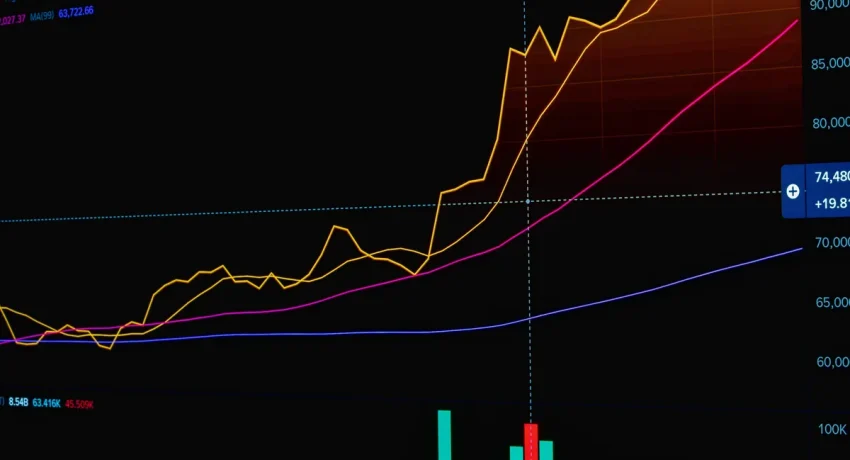

What Is a Bull Market?
What is a bull market? It is a period when stock prices rise steadily and investor confidence runs strong. Bull and bear markets explained in plain terms start with this pair. A bull market is commonly defined as a sustained rise of twenty percent or more from a recent market low. The rise usually comes with growing economies, rising company earnings, and optimism about the future.
Bull markets can last for years. They often begin when the economy still looks weak, because markets look ahead to recovery rather than backward at recent pain. Prices climb as earnings improve and confidence returns. Good news feeds further gains. However, bull markets also breed excess. Prices can rise beyond what earnings justify, and optimism can turn into euphoria. That excess often sets up the next fall.
Investors in a bull market face a pleasant problem: gains feel easy, and caution feels unnecessary. Yet discipline matters most when it feels least needed. A portfolio built during a bull market should still suit a bear market, because the cycle will turn. No bull market lasts forever, and the turn often arrives without warning.
What Is a Bear Market?
What is a bear market? It is the opposite: a period when stock prices fall steadily and confidence fades. A bear market is commonly defined as a fall of twenty percent or more from a recent high. Bear markets often coincide with economic weakness, rising unemployment, and pessimism about earnings. They feel miserable while they last, yet they are a normal part of market cycles.
Bear markets test every investor. Portfolio values drop. Headlines turn grim. Friends talk of selling everything. The temptation to exit grows daily. Our guide to a single company’s stock shows how one business can fall further than the market in a downturn. However, selling during a bear market locks in losses and risks missing the recovery, which often begins before the economy visibly improves. History shows that markets have recovered from every bear market so far, though past performance never guarantees future results.
Bear markets also create opportunity, at least in theory. Prices fall, so new money buys more shares for the same sum. That logic comforts long-term investors with steady incomes. It offers little comfort to someone who needs the money soon. The difference lies in time horizon. A bear market is a disaster for short-term money and a buying window for long-term money, though no one can know in advance how long it will last.
Bull Market vs Bear Market: The Key Differences
Bull market vs bear market comes down to direction, mood, and economy. In a bull market, prices rise, confidence grows, and the economy usually expands. In a bear market, prices fall, confidence shrinks, and the economy often contracts. The table below sums up the contrast in plain terms.
Direction is the clearest difference. Bull markets climb. Bear markets fall. The twenty percent threshold marks the formal line, yet the mood shifts long before it. Confidence follows direction. Rising prices breed optimism, which breeds further buying. Falling prices breed fear, which breeds further selling. The cycle feeds itself in both directions.
Economy and earnings shape both markets. Bull markets usually accompany growing profits and low unemployment. Bear markets usually accompany falling profits and rising unemployment. Interest rates play a part too. Low rates often support bull markets by making borrowing cheap. High rates often pressure markets by raising costs. Financial services firms often feel these shifts first, and their results show how rate-sensitive the sector can be. None of these links is exact. Markets move on expectations about the future, not on today’s numbers alone.
Finally, the two markets differ in length. Bull markets have historically lasted longer than bear markets, though both vary widely. A bull market can run for years. A bear market can last months or stretch beyond a year. The asymmetry comforts long-term investors: the good stretches usually outweigh the bad ones, even if the bad ones feel worse while they last.
Why Do Markets Go Up and Down?
Why do markets go up and down? The short answer is that prices reflect what investors expect companies to earn in the future. When expectations improve, prices rise. When expectations worsen, prices fall. Expectations move on earnings, interest rates, inflation, politics, and plain mood. A single piece of news can shift expectations sharply, which is why prices move daily.
Earnings sit at the centre. A company that earns more is worth more, all else equal. Markets therefore watch company results closely. Strong results lift prices. Weak results cut them. However, markets also watch what comes next. A company can report good results yet fall if its outlook disappoints. The future matters more than the past.
Interest rates shape expectations too. Low rates make future earnings worth more today, which lifts prices. High rates do the reverse. Recent coverage of bank deposit and home loan rates shows how rate moves reach savers and borrowers alike. Inflation matters as well, since it squeezes costs and can force central banks to raise rates. Politics, wars, and natural disasters add further shocks. Each event shifts the balance between buyers and sellers, and prices move to the new balance.
Mood amplifies everything. In optimistic times, investors pay more for the same earnings. In fearful times, they pay less. This mood swing, often called sentiment, explains why prices can move far beyond what earnings justify. Sentiment is fickle, yet it drives markets in the short term. Over the long term, earnings matter more. That gap between short-term mood and long-term value is where patient investors find their edge.
Stock Market Cycles Explained
Stock market cycles explained simply means the repeating pattern of rises and falls. Markets expand, peak, contract, and bottom out, then expand again. The cycle has no fixed timetable. One cycle can last a few years. Another can last a decade. The pattern repeats, yet the details never do. Each cycle has its own causes, its own leaders, and its own surprises.
The cycle links to the wider economy, though not exactly. Markets often peak before a recession begins, because investors anticipate trouble. Markets often bottom before a recession ends, because investors anticipate recovery. This forward-looking habit confuses many beginners. Good economic news can coincide with falling prices, and bad news with rising ones. The market prices the future, not the present.
Understanding the cycle helps in one way: it normalises falls. A decline is not a sign that markets are broken. It is a sign that the cycle is turning. That knowledge does not make falls painless, yet it stops them from feeling like the end of the world. Cycles have turned many times before, and they will turn again.
Market Volatility Explained
Market volatility explained in plain terms means how much prices swing up and down. High volatility means large daily moves in both directions. Low volatility means calm, small moves. Market volatility for beginners often feels like danger, yet volatility is simply movement. It is the price of owning assets that can grow. Without volatility, there would be little growth either.
Volatility rises when uncertainty rises. Newer markets such as crypto finance show the same pattern in sharper form. Elections, wars, rate decisions, and earnings surprises all lift volatility. It falls when clarity returns. Volatility also clusters: calm periods follow calm periods, and stormy periods follow stormy ones. A single sharp fall often brings more sharp moves in the days that follow, up as well as down.
For long-term investors, volatility matters less than it feels. Daily swings fade against decades of compounding. For short-term investors, volatility matters greatly, since a sharp fall can force a sale at a bad price. The lesson is to match your time horizon to your investments. Money needed soon should not sit in volatile assets. Money needed in decades can ride out the swings.
Market Correction vs Crash: The Ladder of Declines
Market correction vs crash is a comparison of size and speed. A pullback is a small decline, often a few percent, which happens frequently. A correction is a decline of ten to twenty percent from a recent high, which can last a few months. A bear market is a decline of twenty percent or more. A crash is a sudden, sharp fall, often in days, driven by panic or a shock.
Corrections are common and usually pass without lasting harm. Most corrections do not become bear markets. They often reflect a market that rose too fast and needs a pause. A crash, by contrast, is rare and violent. It can erase months of gains in a week. Crashes often coincide with a specific shock, such as a financial crisis or a pandemic.
The labels matter because they shape behaviour. A correction calls for calm and review. A crash calls for the same, though it feels far harder. In both cases, the right response is usually to check your plan, not to abandon it. Selling during a correction or a crash turns a paper loss into a real one. Staying invested keeps the chance of recovery alive.
Stock Market Crash Explained
Stock market crash explained simply is a sudden, steep fall in prices across the market, often in days or weeks. Crashes differ from ordinary falls in speed and breadth. Many shares fall together, trading volumes surge, fear spreads fast, and trading execution can matter when markets move fast. A crash is not a single event with a single cause. It is a moment when many worries collide at once.
Crashes often follow a period of excess. Prices may have risen beyond earnings. Borrowing may have grown too fast. A bubble may have formed in one sector. Then a trigger arrives: a bank failure, a war, a pandemic, or a sudden rate rise. The trigger itself may be small, yet it bursts the bubble. Panic selling follows, which pushes prices lower, which causes more selling. The spiral feeds itself until buyers return.
Recoveries from crashes vary. Some markets rebound within months. Others take years. The speed depends on the cause and on the policy response. Central banks and governments often act to steady markets after a crash, by cutting rates or providing support. Those actions help, yet they cannot restore confidence overnight. Patience remains the investor’s main tool.
What Causes a Market Crash?
What causes a market crash? The causes fall into a few groups. The first is excess borrowing. When investors borrow heavily to buy shares, a small fall can force sales to repay loans, which pushes prices lower still. The second is a bubble: prices rising far beyond what earnings justify, until belief itself becomes the only support. When belief cracks, prices follow.
The third cause is an external shock. Wars, pandemics, oil embargoes, and natural disasters can all trigger crashes. Our guide to the global chip shortage shows how a supply shock can ripple through industries and markets. Shocks are unpredictable by nature. No one can foresee them, yet markets must price them instantly when they arrive.
The fourth cause is a policy mistake or a sudden policy change. A sharp rate rise, a new tax, or a regulatory crackdown can all jolt markets. The fifth cause is a financial failure: a bank collapse, a fraud, or a broken market mechanism. Each of these can freeze confidence overnight. Most crashes mix several causes at once. A bubble meets a shock, borrowing meets a failure, and panic does the rest.
History of Stock Market Crashes
History of stock market crashes offers perspective, not prediction. The Wall Street crash of 1929 remains the most famous. The Dow Jones index fell by more than four-fifths from its peak, and the economy sank into the Great Depression for years. Excessive borrowing to buy shares, a fragile banking system, and blind optimism all played a part. The recovery took a long time, and the lessons shaped regulation for decades.
The oil crisis of the 1970s brought another severe bear market. An embargo triggered a global energy crisis, and high inflation combined with recession to push shares down sharply. The technology bubble of the early 2000s followed a different pattern. Internet shares soared on promises of future profits, then collapsed when those profits failed to arrive. The fall lasted years and wiped out many young companies.
The global financial crisis of 2008 began in housing and banking, then spread to every market. Banks failed, credit froze, and shares fell worldwide. The recovery took years, supported by central bank action. The pandemic crash of 2020 was faster and sharper, yet the recovery was also faster, as governments and central banks acted swiftly. Each crash differs, yet each shares a pattern: excess, trigger, panic, and eventual recovery.
How Often Do Market Crashes Happen?
How often do market crashes happen? True crashes are rare, while smaller declines are common. Pullbacks of a few percent happen many times a year. Corrections of ten percent or more happen every year or two on average, though the gap varies. Bear markets arrive less often, roughly once a decade in many markets, though the spacing is irregular. Crashes, the sharpest falls, are rarer still.
The irregular timing matters. Long calm stretches can breed complacency, as if falls had been abolished. Then a crash arrives and shocks everyone. The lesson is to expect declines without trying to predict them. A portfolio built for the long term should assume that crashes will happen, without knowing when. That assumption keeps risk at a level you can survive.
Frequency also varies by market. Some markets are calmer than others. Some are wilder. Your own market’s history is the best guide to what to expect, though even that history cannot promise the future. Plan for the worst decline you can imagine, then add a margin. If the plan survives that test, it can survive most real declines.
How Long Do Bear Markets Last?
How long do bear markets last? There is no fixed answer. Some last a few months. Others last a year or more. A few have lasted several years. The length depends on the cause. A bear market driven by a short shock may end quickly once the shock passes. A bear market driven by deep economic damage may linger while the economy heals.
Recoveries also vary. Some markets regain their highs within a year or two. Others take far longer. The 1929 recovery took many years. The 2020 recovery took months. The difference lies in the damage done and the response mounted. Policy support, economic strength, and investor confidence all shape the path back.
For investors, the practical point is that duration is unknowable in advance. Plans that depend on a quick recovery are fragile. Plans that can wait years are robust. That is why time horizon matters so much. Money needed soon should not be exposed to bear markets. Money needed in decades can wait them out.
What to Do in a Market Crash?
What to do in a market crash starts with doing nothing hasty. Panic selling is the most common and most costly mistake. It turns a temporary fall into a permanent loss. It also risks missing the recovery, which often begins on the darkest days. Before acting, pause. Review your plan. Ask whether anything about your goals has changed, or only the prices have.
Next, check your safety net. An emergency fund covers surprises without forcing sales. If you hold one, a crash is uncomfortable yet survivable. If you do not, a crash can force selling at the worst moment. Building that fund matters more than any market tactic. Our personal finance guide sets out the wider habits that keep a household steady through market storms.
Then review your portfolio. Is it still diversified? Has one holding grown too large? Does the mix still match your goals? A crash is a good moment for a calm review, not for a radical overhaul. Rebalancing, meaning selling some of what held up and buying more of what fell, can restore the target mix. It feels counterintuitive, yet it is one of the few disciplined responses available.
Finally, consider whether to keep investing regularly. Regular monthly investing buys more shares when prices fall and fewer when they rise. Over time, that pattern smooths the entry price. It also keeps you invested through the recovery. Stopping contributions during a crash does the opposite: it removes money at the moment when prices are lowest. Steady contributions are not exciting, yet they are effective.
Bear Market Investing Basics
Bear market investing basics start with the same principles as any investing, applied under pressure. Diversification matters most in a bear market, since no one knows which sector will fall furthest. A spread across companies, sectors, and countries softens the blow. Concentration, by contrast, magnifies it. A single-company bet can halve in a bear market. A diversified fund falls less, though it still falls.
Costs matter too. Low fees preserve more of your money in every market, and especially in falling ones. A high-fee fund must outperform just to match a cheap rival. In a bear market, that hurdle grows heavier. Check your fees during calm times, so they are already low when trouble arrives.
Behaviour is the final piece. Bear markets reward patience and punish panic. Investors who hold diversified portfolios, keep contributing, and avoid checking prices daily usually fare better than those who trade frantically. The market will recover in its own time. Your job is to be there when it does. That is the whole of bear market investing: survive, stay diversified, and keep going.
The Cycle Turns, As It Always Has
Bull and bear markets, crashes, and volatility are not faults in the system. They are the system. Prices rise on optimism and fall on fear. Cycles turn without permission. Crashes arrive without warning. The investors who prosper over decades are rarely those who predict the turns. They are those who build portfolios that survive them.
Use the ideas in this guide as a map. Know the definitions: bull, bear, correction, crash. Learn the causes: earnings, rates, mood, shocks. Remember the history: excess, trigger, panic, recovery. And know your own response in advance, so a crash finds you with a plan rather than a panic.
Markets will fall again. They will also rise again. That rhythm has held through every crash in history, though past performance never guarantees future results. The calm investor accepts the rhythm, prepares for the falls, and lets time do the work. That acceptance, more than any forecast, is what carries a portfolio through the cycle.