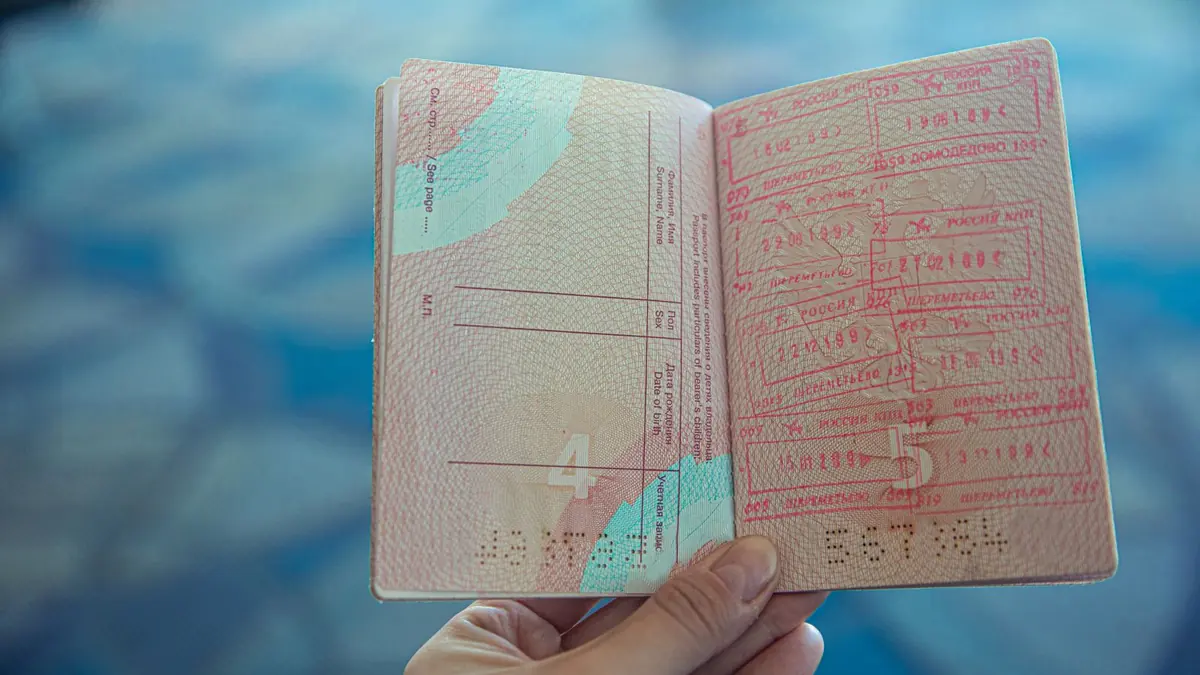
Citizenship is the legal bond between a person and a state. In plain terms, it is the status that gives a person the right to live, work, and vote in a country, and to carry its passport abroad. It also brings duties, such as obeying the law and, in some places, serving on a jury. This guide follows how citizenship is gained, kept, and lost. It is educational only. However, it is not legal advice for any specific case.
For instance, people gain citizenship in several ways. Firstly, some are born with it. Others inherit it from parents. Still others earn it after years of residence. A few buy into it through investment routes. Each route has its own rules. Each one also has its own paperwork. Understanding the routes is the key to understanding the whole subject.
What Is Citizenship?
Citizenship is full membership of a political community. However, it differs from residence. For example, a resident may live and work in a country for years without being a citizen. A citizen, by contrast, belongs in a legal sense. That belonging brings rights that residents do not hold. Voting in national elections is the best-known example. Holding a passport is another.
Citizenship rights explained in brief cover several areas. Citizens can live in their country without permission. They can leave and return freely. Voting and standing for office in most systems follow. Embassies abroad can also help them. Moreover, those rights are strong. They are also hard to remove. That strength is what makes citizenship different from a visa.
Citizenship and residence are often confused. Residence is permission to live somewhere. Citizenship is membership. In practice, a long-term resident may enjoy many daily rights. Nevertheless, the resident can still be removed in some circumstances. A citizen usually cannot. That difference shapes every decision about whether to apply.
How Does Citizenship by Birth Work?
Citizenship by birth follows two broad principles. Firstly, the first is birthplace. A child born on a country’s soil becomes a citizen. The second is descent. A child born to citizen parents becomes a citizen, wherever the birth takes place. Countries mix the two principles in different ways. For instance, some use birthplace alone. Others use descent alone. Many use a blend.
Birthplace citizenship, often called jus soli, is common in the Americas. A child born there is a citizen, even if the parents are visitors. Descent citizenship, often called jus sanguinis, is common in Europe and Asia. A child inherits citizenship from a parent. The parent’s status matters more than the place of birth. In addition, some countries add conditions. A parent may need to have lived in the country for a set time before the birth.
Edge cases arise often. A child born on a ship or a plane raises questions. Children of parents with different nationalities may hold two citizenships. Meanwhile, a child born in a country that uses descent may hold none. That last case is statelessness, which this guide covers below. In theory, the rules look simple. In practice, they produce many borderline cases.
How Does Citizenship by Descent Work?
Citizenship by descent passes from parent to child. Firstly, the parent must be a citizen at the time of the birth. The child may be born anywhere. The claim usually needs registration. Parents file papers, prove their own status, and prove the relationship. The child then gains citizenship. However, that process sounds simple. In practice, documents can be hard to gather.
Descent rules often limit how far the chain runs. A citizen born abroad may pass citizenship to a child born abroad. That child may not pass it further. The limit prevents endless chains of citizenship with no real link to the country. For example, a grandchild born abroad to a citizen born abroad may need to register or reside in the country to qualify. The exact limit sits in national law.
In practice, proof is the practical hurdle. Birth certificates, parents’ passports, and marriage records may all be needed. Old records can be missing. Names may be spelled differently across documents. Officials check the chain carefully. A broken link can delay or defeat the claim. For this reason, families should gather papers early and keep them safe.
How Does the Naturalisation Process Work?
Naturalisation process rules let long-term residents become citizens. The applicant usually needs years of lawful residence. Officials also look for good character, language skills, and knowledge of the country. Each requirement has its own test. As a result, together they show that the applicant has put down roots.
The citizenship application process usually starts with a form and a fee. Next, the applicant submits identity papers, residence records, and police checks. Language and knowledge tests follow in many systems. An interview may also be required. Officials then decide. A successful applicant takes an oath or attends a ceremony. That moment marks the change of status.
In general, residence periods vary widely. Some countries ask for three years. Others ask for ten. For example, the count usually starts from lawful residence, not from arrival. Breaks in residence can reset the clock. In addition, some countries shorten the period for spouses of citizens or for refugees. Those shortcuts reflect family ties and protection needs. The details sit in national law and change often.
What Do Citizenship Tests Cover?
Citizenship tests explained in short cover language and knowledge. Firstly, language tests check speaking, listening, reading, and writing. The level required is usually modest. Everyday conversation is enough. Knowledge tests check history, government, and civic life. The questions are drawn from official study material. Preparation books and courses exist in most countries.
However, tests are controversial. Supporters say they help integration. New citizens who speak the language and know the system settle faster. Critics say the tests are a barrier. They point to elderly applicants, people with little schooling, and those with learning difficulties. Many systems offer exemptions for age, health, or disability. Those exemptions soften the edges of the rule.
Nevertheless, failing a test is not the end. Applicants can usually retake it. They can also seek help to prepare. Some fail several times before passing. The key is preparation. Studying the official material and practising the language make a real difference. A failed test delays the process. It rarely ends it.
| Route | How it works |
|---|---|
| Birth | By birthplace, by descent, or a mix of both |
| Descent | Inherited from a citizen parent, usually by registration |
| Naturalisation | After years of residence, tests, and an oath or ceremony |
| Investment | Through a qualifying investment, where the law allows it |
What Is Dual Citizenship?
Dual citizenship explained simply means holding two citizenships at once. A person can be a citizen of two countries. Each country treats the person as its own citizen. The person owes duties to both. Rights in both countries follow as well. That double status is common. It arises through birth, descent, marriage, or naturalisation.
However, not every country allows it. Some require new citizens to give up their old citizenship. Others allow both. A few ignore the other citizenship entirely. As a result, the rules create traps. A person who naturalises abroad may lose their original citizenship without realising it. For this reason, applicants should check both countries’ rules before applying.
In practice, dual citizens face practical puzzles. Which passport should they travel on? Which country’s law applies when they are abroad? Tax duties can also double. Military service can be owed in both places. Those puzzles have answers, but the answers differ by country. Good advice before applying saves trouble later. In short, dual citizenship is useful, but it needs planning.
How Can Citizenship Be Lost?
In general, loss of citizenship happens in several ways. A person can give it up voluntarily. That is renunciation. In contrast, a state can also take it away. That is deprivation or revocation. The grounds are narrow. Fraud in the application is the most common. A person who lied to gain citizenship can lose it. Serious crimes, such as treason, can also lead to loss in some systems.
Firstly, voluntary renunciation is usually straightforward. The person applies, proves another citizenship, and signs a declaration. States usually require proof of another citizenship first. That rule prevents statelessness. A person should not be left with no citizenship at all. The process can take months. It is also hard to reverse. Renunciation is a serious step.
By contrast, deprivation is harder and rarer. Courts often review the decision. The person can usually appeal. Human rights limits apply too. A state cannot easily leave a person stateless. International law restricts that outcome. Nevertheless, deprivation does happen. Fraud cases are the most common. National security cases are the most contested.
What Is Statelessness?
Statelessness explained in brief means having no citizenship anywhere. A stateless person belongs to no state. They may have lived in one place all their life. They may have been born there. Yet no country recognises them as a citizen. That gap creates severe problems. Travel, work, healthcare, and schooling all become hard.
For example, statelessness arises in several ways. A child may be born to parents whose countries do not pass citizenship by descent. A state may change its borders or its laws. A person may lose citizenship without gaining another. Discrimination can also play a role. Some groups have been denied citizenship for generations. The causes differ, but the result is the same. The person has no legal home.
Nevertheless, international law tries to reduce statelessness. Treaties ask states to grant citizenship to children born on their soil who would otherwise be stateless. They also limit deprivation that creates statelessness. Progress is slow. Millions of people remain stateless. Their situation is one of the hardest problems in citizenship law.
What Are Citizenship Ceremonies?
Citizenship ceremonies mark the moment of becoming a citizen. New citizens gather, take an oath or affirmation, and receive a certificate. Officials speak about rights and duties. The event is often formal and joyful. Families attend. Photos are taken. The ceremony turns a legal decision into a public welcome.
In practice, ceremonies vary by country. Some are large public events. Others are small office meetings. Some include singing an anthem. Others include a speech by a local official. The format matters less than the meaning. The new citizen publicly commits to the country. The country publicly accepts the new citizen. That exchange is the point.
Above all, attendance is usually required. A person who skips the ceremony may not become a citizen. The certificate is often issued at the event. That certificate is the proof of status. It should be kept safe. Losing it causes delay and cost. A replacement requires a fresh application and new checks.
How Do Citizenship and Passports Work Together?
In short, citizenship and passports are linked but different. Citizenship is the status. A passport is the document that proves it for travel. Most citizens can apply for a passport. The passport lets them cross borders and seek help abroad. It does not create the citizenship. It evidences it.
Consequently, passport rules follow citizenship rules. A dual citizen may hold two passports. A person who loses citizenship should return the passport. A stateless person usually holds a travel document instead. Those documents look different. They also carry fewer rights. A refugee travel document, for example, does not give the same access as a passport.
By contrast, passports also expire. Citizenship usually does not. A citizen with an expired passport is still a citizen. They simply cannot travel until they renew it. That distinction matters. Losing a passport is an inconvenience. Losing citizenship is a life-changing event. The two should never be confused.
What Is Citizenship by Investment?
Citizenship by investment lets a person gain citizenship through a qualifying investment. The investment may be in property, a business, or a government fund. The applicant must also pass checks. Those checks cover identity, funds, and character. The process is fast compared with naturalisation. It can take months, not years.
However, the route is controversial. Supporters say it brings money and jobs. Critics say it sells membership. They also warn about due diligence. A weak check can admit people with criminal pasts. Scandals have led some countries to tighten or close their programmes. Others keep them running with stricter rules.
For this reason, applicants should weigh the route carefully. The investment is large. The fees are high. The status gained is real, but the reputation of the programme matters. A programme with weak checks can lose recognition. That risk should be weighed alongside the benefit. In addition, tax and residence duties still apply. Investment citizenship is not a shortcut around the law.
How Does Citizenship Work Around the World?
In general, citizenship around the world varies in every detail. Residence periods range from a few years to more than a decade. Language tests range from simple to demanding. Dual citizenship is allowed in some places and banned in others. Those differences reflect history and politics. They also reflect how each country sees membership.
For instance, some countries welcome new citizens readily. Others make the path long and steep. The difference is not just legal. It reflects attitudes to immigration, identity, and belonging. A country with a history of immigration often has an easier path. A country with a narrow view of nationhood often has a harder one. Neither approach is universal. Each is a choice.
In short, for applicants, the lesson is practical. Research the specific country. Check the residence period, the tests, and the dual citizenship rules. Gather documents early. Seek advice before applying. The general pattern helps, but the local rules decide the outcome. That is true of citizenship everywhere.
Key Lessons About Citizenship
Firstly, citizenship is membership, not just a document. Secondly, the routes differ, but the proof burden is always real. Thirdly, dual citizenship needs planning, because two sets of rules apply at once. Finally, losing citizenship is rare but serious, and it is hard to reverse. Those four points cover most of what a person needs to know before applying.
Above all, citizenship shapes a life. It decides where a person can live, vote, and travel. It also decides which state must protect them. That weight is why the rules are strict. It is also why the status is worth understanding. Anyone thinking of applying should start early, gather papers, and take advice. The process rewards preparation.
Readers planning a move can explore the places where citizenship rules often arise, from the best places to visit in Portugal to the best places to visit in Mexico, the best places in Thailand for beaches, and the best place to visit in Tokyo during summer. Other guides cover the best places in South Germany, the best places to visit in February, the best places in England during summer, and the best places to visit in the summer cheap.