
San Bernardino sits where the city meets the mountains. One minute you are on a freeway in the Inland Empire. The next you are climbing into pine forest. The air turns cool. The view opens up. That is the magic of this place. Around 220,000 people live here at the foot of the San Bernardino Mountains. The city is also the gateway to some of the best mountain scenery in Southern California.
Big Bear Lake is about an hour up the road. Lake Arrowhead is even closer. The Rim of the World Scenic Byway runs right through it all. The city itself holds a piece of American history too. The very first McDonald’s opened here in 1940. Here are the best places to visit in San Bernardino for scenic views and real adventures. These San Bernardino attractions cover mountains, lakes, desert, and history. This guide has verified 2026 prices, dates, and practical tips. Use it to plan a San Bernardino day trip from Los Angeles or a full mountain weekend.
Which San Bernardino Place Matches Your Trip?
Not every traveller wants the same day. Some want a lake. Others want a hike. A few want history. This table helps you pick fast.
| You want | Go here first | Why it fits |
|---|---|---|
| A classic mountain lake day | Big Bear Lake | Boating, fishing, and a village full of shops |
| A quiet, pretty lakeside walk | Lake Arrowhead | Alpine village, boat tour, and calm water |
| The best drive in the area | Rim of the World Scenic Byway | 110 miles of viewpoints and mountain towns |
| A serious summit hike | Mount San Gorgonio | The highest peak in Southern California |
| Winter snow and skiing | Snow Summit and Bear Mountain | Three resorts on one lift ticket |
| Hot springs in the wild | Deep Creek Hot Springs | Natural pools in a desert canyon |
| American pop culture history | Original McDonald’s Museum | Free, fun, and on Route 66 |
| A family museum day | San Bernardino County Museum | Dinosaurs, gold rush history, and gardens |
| A park day with kids | Glen Helen Regional Park | Lakes, swimming, and wide open space |
| Fishing and a beach swim | Silverwood Lake | A mountain reservoir with a swim beach |
| Christmas magic with kids | SkyPark at Santa’s Village | A North Pole park in the pines |
| Desert rocks and stargazing | Joshua Tree National Park | An easy day trip east of the city |
Why Is Big Bear Lake the Best Place to Visit in San Bernardino?
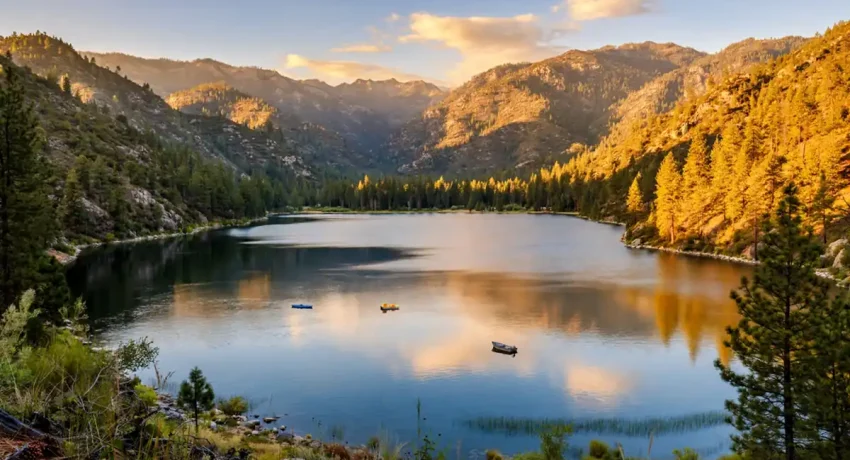
Big Bear Lake California is the star of the San Bernardino Mountains. The lake sits at 6,743 feet above sea level. Seven miles of water stretch from end to end. More than 3,200 acres of surface lie ringed by pine forest. The town of Big Bear Lake sits on the south side. Shops, restaurants, and cabins line its streets. The area gets more than 300 sunny days a year. That is why locals call it a four-season destination.
In summer, the lake is for boating, fishing, kayaking, and paddleboarding. Winter turns the same mountains white. Two ski resorts open their lifts then. The drive from Los Angeles takes about two hours. From San Bernardino city, it is about an hour up Highway 18 or Highway 38. Both routes are scenic. Highway 38 climbs through the forest from Redlands. The other route, Highway 18, winds up from the city through Running Springs. Either way, you gain about 5,000 feet of elevation. Pack a jacket even in summer. The lake air stays cool after sunset.
Fishing is a big draw here. The lake is stocked with trout through the season. The trout season opener comes in early April each year. Anglers line the shore at dawn. You can also rent a boat or a pontoon from the marinas. Kayaks and paddleboards are easy to find in the village. The Alpine Pedal Path runs along the north shore. It is a flat, paved trail that suits families and cyclists. Boulder Bay Park is a good picnic spot. It has lake views and a small beach area. The Big Bear Discovery Center sits on the north shore too, with nature programs and trail advice. Stop there first if you want to hike. The staff can point you to the right trail for your fitness level. Vermont has its own mountain lake summers too. See our Vermont summer guide for the New England version of this trip.
Big Bear also runs a full events calendar in 2026. The Polar Plunge takes place on April 18 and 19. Brave swimmers jump into the cold lake for charity. The Spartan Trifecta Weekend lands on May 16 and 17. It brings obstacle racers from all over the West. The Fourth of July fireworks light up the lake on July 4. The Tour de Big Bear cycling event comes in early August. Lakefest runs August 28 and 29, with paddle races and live music. Troutfest follows on September 26 and 27. Big Bear Oktoberfest runs from late September into October. It is one of the longest-running Oktoberfests in Southern California. Check the exact dates before you book. The town fills up fast on festival weekends.
What Makes Lake Arrowhead So Peaceful?
Lake Arrowhead California is the quieter sister of Big Bear. It sits about 90 minutes from Los Angeles. The lake is private. Only members of the Arrowhead Lake Association can boat on it. That rule keeps the water calm and the shoreline uncrowded. Visitors still get plenty to enjoy. Lake Arrowhead Village sits right on the water. It has shops, restaurants, and a lakeside walk. The buildings look like a small Alpine town. Red roofs and timber frames line the shore. Ducks swim near the docks. Shops sell bags of duck feed for about a dollar. Kids love feeding them from the boardwalk. In summer, the village hosts concerts on the waterfront. The 2026 Summer Concert Series runs on weekends through Labor Day. The new stage sits at Waterfront Park on the tip of the peninsula. Bring a blanket and arrive early. The good spots go fast.
The best way to see the lake is the Lake Arrowhead Queen boat tour. It is a paddle-wheel tour boat. The boat sails daily, every hour on the hour, from 10 am to 6 pm. The cruise lasts about 50 minutes to an hour. A guide points out celebrity homes and local history along the shore. Tickets cost about $35 for adults. Prices have moved up in recent years, so check at Leroy’s Board Shop before you go. That is where tickets are sold, in the village near the dock. Book ahead on summer weekends. The morning boats often sell out by lunch. The lake sits at more than 5,000 feet. The air is fresh and cool. Dress in layers. The wind on the open deck can feel cold even on a sunny day.
Just outside the village, the forest offers easy walks. Heaps Peak Arboretum is a short, flat loop through pine trees. It suits families and older walkers. The trail is less than a mile long. It has signs about the trees and the wildlife. The Lake Arrowhead area also has a long Hollywood history. Movie stars came here in the golden age of film. Marilyn Monroe and Clark Gable both spent time at the resort. The Arrowhead Springs Hotel once stood below the lake. Its hot springs drew the rich and famous. The hotel is gone now. The history still hangs in the air. For a quieter afternoon, drive to Blue Jay. It is a small village a few minutes away. A few shops and a relaxed, local feel make it worth a stop.
Why Is the Rim of the World Scenic Byway the Best Drive Near San Bernardino?
The Rim of the World Scenic Byway is a 110-mile mountain route. It runs from Cajon Pass to San Gorgonio Pass. The route follows parts of California Highways 18, 38, and 138. The U.S. Forest Service calls it one of the great scenic drives in the West. The road climbs from the valley floor to more than 6,000 feet. The San Bernardino scenic views from these heights are the best in the Inland Empire.
The views open up at every turn. On a clear day, you can see the Los Angeles Basin far below. You can also see the Mojave Desert to the north. The drive passes through mountain towns. Crestline, Lake Arrowhead, Running Springs, and Big Bear all sit along the route. Each one has its own character. Crestline has Lake Gregory and a small village. Running Springs is the gateway to Snow Valley. Big Bear is the big resort town at the far end. Allow a full day for the whole drive. Stop often. The viewpoints are the point.
The best viewpoints sit along Highway 18 between Running Springs and Big Bear. Pullouts offer views of the valley and the peaks. The road is winding and narrow in places. Drive slowly and watch for cyclists. In winter, the road can close during storms. Chains may be required after snow. Check road conditions before you leave. The California Department of Transportation posts updates online. Gas stations are few in the mountains. Fill up before you climb. The drive is free. It costs nothing but fuel and time. That makes it one of the best free things to do in San Bernardino. For a shorter taste, drive from the city up to Lake Arrowhead and back. That round trip takes about two hours with stops. It still gives you the mountain air and the big views.
How Hard Is the Hike to Mount San Gorgonio?
Mount San Gorgonio stands at 11,503 feet. It is the highest peak in Southern California. The summit is also the highest point in the Transverse Ranges. It rises above the tree line. That is rare in Southern California. Only San Gorgonio does it. The peak sits inside the San Gorgonio Wilderness. Congress designated the wilderness in 1964. It covers 101,574 acres in total.
The Forest Service manages about 62,000 of those acres. The rest sits under the Bureau of Land Management. The mountain is about 27 miles east of the city of San Bernardino. On a clear day, you can see it from the valley floor. Its snow cap stands out for miles. The summit also holds a record. It has the longest recorded line of sight in the contiguous United States. From the top, you can see Mount Whitney. That is 190 miles away. Locals once called the peak Old Grayback. The name fits. The grey rock summit looks like a giant back from below.
The most popular route is the Vivian Creek Trail. It starts at the Vivian Creek Trailhead near Forest Falls. The trail climbs about 5,400 feet over 7.8 miles to the summit. The round trip is about 18.5 miles. It is a hard, full-day hike. Most hikers take 10 to 12 hours. Start before dawn. Carry plenty of water. There is no water on the upper trail. A wilderness permit is required for overnight trips. Day hikers do not need one. But you do need an Adventure Pass to park at the trailhead. Buy it online or at a local shop before you go.
The trail passes Vivian Creek Camp at 1.2 miles. It climbs through pine forest and then above the trees. The last stretch is rocky and exposed. The views from the top are worth every step. You can see the whole Inland Empire spread out below. In summer, the summit can still hold snow in shaded spots. Check trail conditions at the ranger station first. If the full summit is too much, try the San Bernardino Peak Trail instead. San Bernardino Peak stands at 10,624 feet. It was the starting point for the survey of all Southern California in 1852. That trail is about 16 miles round trip. It is still hard, but it is shorter than the Gorgonio climb.
What Is Skiing Like at Snow Summit and Bear Mountain?
Big Bear Mountain Resort skiing covers three areas. Snow Summit and Bear Mountain sit near Big Bear Lake. The third area, Snow Valley, sits in Running Springs, closer to the city. One lift ticket works at all three. That is a good deal for a ski weekend. Snow Summit suits families and cruisers. It has long, groomed runs and a friendly village base. Bear Mountain suits park riders. It has jumps, rails, and a lively scene. Snow Valley is the quietest of the three. It has wide runs and a relaxed feel. The 2026/27 season is set to start around November 27, 2026. The tentative end date is April 11, 2027. Snowfall decides the real dates. Check the resort site before you drive up.
Lift ticket prices use dynamic pricing. The earlier you buy, the less you pay. For the 2026/27 season, adult regular tickets run about $125 to $169. Value tickets run about $105 to $149. Those value tickets are not valid from December 19, 2026 through March 14, 2027. A season pass for adults costs $739 for 2026/27. That price expires on December 1, 2026. It goes up after that. The resort also sells a Double Play deal. Two days of skiing cost $149. That is up to 50 percent less than two single-day tickets.
Kids ski free from March 15 to 21, 2027. Night sessions run on Friday and Saturday nights. The Ride and Dine deal bundles a night session ticket with a meal voucher for $109. Parking fills up by 8 am on busy weekends. Arrive early or expect a long walk. The resort also runs summer bike parks. Snow Summit bike park tickets start at $39. Bike tickets at Snow Valley start at $25. The bike parks were closed for the 2026 summer season. They reopen in May 2027. Check the resort site for the latest dates and prices. For a different kind of mountain skiing, see our Colorado guide. It compares the Rockies with these Southern California slopes.
Are the Deep Creek Hot Springs Worth the Hike?
Deep Creek Hot Springs sits in a desert canyon in the San Bernardino National Forest. The springs are natural pools of warm water. They sit along Deep Creek, a stream that runs through the canyon. The pools are free to use. Getting there takes effort. That is part of the charm. The shortest route starts at Bowen Ranch. The trail is about two miles each way. Steep and rocky in places, it takes about two to two and a half hours round trip.
The longer route starts at the Bradford Ridge Trailhead. It is about 2.6 miles one way. The full loop is about six miles. AllTrails lists the Bowen Ranch route at 6 km out and back. The site rates the hike as moderately hard. The elevation gain is about 278 metres. Parking at Bowen Ranch costs a few dollars. The ranch is private land. Bring cash for the fee. The Pacific Crest Trail also passes through the springs. Long-distance hikers stop here to soak tired legs.
A few things to know before you go. The springs are clothing-optional. Families should know that in advance. The pools sit in a remote canyon. There are no services nearby. Bring water, food, and sun protection. The creek can rise fast after rain. Avoid the short trail during high water in spring. The rocks around the pools are slippery. Wear sturdy shoes, not flip-flops. The best time to visit is autumn or spring. Summer is very hot in the canyon. Winter is cold but quiet. The springs are a day-use area only. No camping is allowed at the pools. Camping is allowed at Bowen Ranch. Leave no trace. Pack out everything you bring in. The springs stay clean because visitors respect them.
Why Should You Visit the Original McDonald’s Museum?
The first McDonald’s in the world opened in San Bernardino. Brothers Richard and Maurice McDonald opened it in 1940. The address was 1398 North E Street. The original building is gone now. A museum stands on the site instead. It is the Original McDonald’s Site and Museum. Entry is free. The museum is open most days from about 10 am to 5 pm. Check before you go. The museum is a small, volunteer-run place. Hours can shift. The owner was Albert Okura. He founded the Juan Pollo restaurant chain. In 1998, he bought the property to save it from demolition. Then he turned it into a museum of McDonald’s memorabilia.
The collection is huge. Toys, cups, menus, and signs from all over the world fill the shelves. A prototype ketchup dispensing gun sits on display. Photos of the brothers and the early restaurants line the walls. It is a must-stop for fans of American pop culture. Kids love the old Happy Meal toys too.
The museum sits on historic Route 66. The old highway runs right past the door. That makes it an easy stop on a Route 66 road trip. The murals on the outside wall show famous people from San Bernardino. Take time to look at them. They tell the story of the city. Next door sits the Inland Empire Military Museum. It is worth a quick look too. Just down the road is the Wigwam Motel. It sits at 2728 East Foothill Boulevard. The motel has concrete teepee rooms. It dates back to 1949. Today it is one of the most photographed spots on Route 66 in California. You can stay the night there. Or just stop for a photo. The whole area gives you a feel for old Route 66. It is a side of San Bernardino that most visitors miss.
What Can You See at the San Bernardino County Museum?
The San Bernardino County Museum sits in Redlands. The address is 2024 Orange Tree Lane. It is just off Interstate 10 at the California Street exit. The museum covers the natural and cultural history of the region. Dinosaur fossils and Ice Age animals fill one hall. Gold rush exhibits and Native American artefacts fill another. A hall of history traces the county from ancient times to today. The museum also has outdoor gardens. The gardens opened in recent years. They show native plants of the region. The museum is a good rainy-day stop. It is also a good stop for families with young kids. The Exploration Station is a hands-on area for children. It runs limited hours. Check the museum site for the current schedule.
Admission is $10 for adults. Military and seniors pay $8. Students with ID pay $7. Children aged 5 to 12 pay $5. Kids under 5 get in free. Families with an EBT card pay $1 per person through the Museums for All program. Parking is free. The museum is open Tuesday through Sunday from 9 am to 5 pm. It is closed on Mondays and major holidays. The museum sometimes opens on Monday holidays. It opened on Columbus Day and on Martin Luther King Jr. Day in past years. Call ahead if you plan a holiday visit. The museum also runs special events through the year. Old West Days takes place in January. Trivia nights run on Friday evenings. The museum is one of the best-value attractions in the area. A family of four can visit for less than the cost of one ski lift ticket.
Is Glen Helen Regional Park Good for Families?
Glen Helen Regional Park covers 1,340 acres in the foothills north of the city. It is one of the largest parks in the area. Two stocked fishing lakes sit inside the park. A swim complex with slides and a lazy river sits there too. Picnic areas, playgrounds, and hiking trails round out the park. The park suits a full family day. You can fish in the morning, swim in the afternoon, and picnic at sunset. The views of the San Gabriel and San Bernardino mountains are wide and open.
The park charges a small day-use fee. Check the county parks site for the current rate. The swim complex is open in summer. Slides, splash zones, and a lazy river make it a good way to beat the summer heat. San Bernardino summers are hot. The city sits at about 1,000 feet. Summer highs often reach around 95 degrees. The park’s water features help a lot.
Glen Helen is also famous for music. The Glen Helen Amphitheater sits inside the park. It is the largest outdoor music venue in the United States. Big concerts and festivals fill its calendar through the year. The amphitheater can hold tens of thousands of fans. Concert nights bring heavy traffic to the area. Plan your visit around the schedule. If you want a quiet park day, avoid concert days. For a concert, buy tickets early. The big shows sell out fast. The park also has a nature trail and a small lake for model boats. It is a local favourite. Many families from the Inland Empire spend their weekends here.
What Is Silverwood Lake Like?
Silverwood Lake is a reservoir in the San Bernardino National Forest. It sits north of the city, near Hesperia. The lake is a popular spot for fishing, swimming, and picnicking. The water is clear and cool. The setting is quiet. Pine trees and desert hills frame the shore. The lake has a swim beach and a boat launch. Picnic tables and shade ramadas make it a good choice for a low-key day on the water.
The lake is stocked with fish. Anglers catch trout, bass, and catfish here. A California fishing licence is required for anyone aged 16 and over. Buy one online before you go. The lake is part of the California State Water Project. It stores water that travels south from Northern California. That is why the water level can change through the year. The best time to visit is spring and early summer. The water is full and the weather is mild. In late summer, the lake can get crowded on weekends. Arrive early to get a good picnic spot. The lake is about 30 minutes from San Bernardino city by car. Take Interstate 15 north and follow the signs.
Why Do Families Love SkyPark at Santa’s Village?
SkyPark at Santa’s Village sits in Skyforest. The address is 28950 California Highway 18. It is a few minutes from Lake Arrowhead. The park is a year-round mountain adventure park. It has a North Pole theme. The original Santa’s Village opened here in the 1950s. It closed in the 1990s. SkyPark reopened the site in 2016. The park keeps the old Christmas magic. It adds mountain biking, zip lines, climbing walls, and hiking trails. The park sits at more than 5,000 feet in the pine forest. The air smells of pine and wood smoke. It feels like a storybook village. Kids can visit Santa’s House. They can ride the NorthWoods Express train. The Silver Bells Arena offers ice skating too. Ice skating is included with admission during the holiday season. Skate rentals are included too.
The 2026 holiday season runs from Saturday, November 7, 2026 through Sunday, January 10, 2027. The park is open Thursday through Sunday during the season. Tickets cost $59 for adults. Children aged 4 to 17 and seniors aged 65 to 74 pay $49. Kids aged 3 and under get in free. Seniors aged 75 and over get in free. Parking costs $15 per vehicle. Prices can vary by date. Check the price for your day at checkout. The nightly Village Tree lighting is included with admission. Breakfast with Santa costs extra. Book it early. It sells out fast. The park is busiest on December weekends. Weekdays are calmer. Dress warmly. The park is outdoors and the mountain air is cold after dark. The SkyPark Loop trail runs 3.6 miles through the forest. It is a good hike for families who want to stretch their legs after the rides.
Can You Visit Joshua Tree National Park as a Day Trip from San Bernardino?
Yes, and it is one of the best day trips in Southern California. Joshua Tree National Park near San Bernardino sits about an hour east of the city by car. The park covers desert valleys and strange rock formations. The Joshua trees give the park its name. They are spiky, twisted plants that grow only in this part of the world. The park has easy nature trails and hard desert hikes. Some of the best rock climbing in the country sits here. The park also has some of the darkest skies in Southern California. Stargazing here is superb on a clear night. The park is in San Bernardino County. That is fitting. San Bernardino County is the largest county in the contiguous United States. It stretches from the mountains to the desert to the Nevada border.
Entry costs $30 per vehicle for seven days. A non-resident surcharge of $100 per person aged 16 and over applies at 11 national parks from January 1, 2026. Joshua Tree is one of those parks. The surcharge is on top of the entry fee. A $250 Non-Resident Annual Pass waives it. Check the park site for the latest rules before you go. The best time to visit is spring or autumn. Summer is extremely hot. Daytime highs can pass 100 degrees. Spring brings wildflowers after a wet winter. Autumn brings cool air and clear skies.
The park has two main entrances from the west. The West Entrance is near the town of Joshua Tree. The North Entrance is near Twentynine Palms. Both are easy to reach from Interstate 10. Pack water and food. There are no restaurants inside the park. Fill up your tank before you enter. The park is big and the roads are long. For the spring desert, see our US spring guide. It covers Joshua Tree in the spring season. For the autumn desert, see our US fall guide. The Grand Canyon makes another great desert trip. See our Grand Canyon guide if you want red rock canyons next.
When Is the Best Time to Visit San Bernardino?
San Bernardino has four distinct seasons. The city and the mountains feel very different. Low city streets sit far below the high peaks. That gap makes the weather change fast. Use this table to pick your month.
| Month | What it is like | Best for |
|---|---|---|
| January to February | Cold in the mountains, mild in the city | Skiing and snow play at Big Bear |
| March to April | Spring flowers, melting snow | Wildflowers, trout season, and quiet trails |
| May to June | Warm days, cool mountain nights | Lakes, boating, and hiking |
| July to August | Hot in the city, warm in the mountains | Summer festivals and lake days |
| September to October | Cool air, fall colour in the high country | Oktoberfest and fall drives |
| November to December | Cold nights, holiday lights | SkyPark Christmas and early ski season |
The city itself is hot in summer. Highs often reach around 95 degrees in July and August. The mountains are 15 to 20 degrees cooler. That gap is the key to planning. In summer, head up the mountain by late morning. Winter brings mild weather to the city. Highs sit around 65 degrees. The mountains get snow. That is the time to ski. Spring and autumn are the sweet spots. The weather is mild everywhere. The crowds are smaller. The light is golden. If you can only pick one season, pick spring or autumn.
How Much Does a San Bernardino Trip Cost in 2026?
San Bernardino is a budget-friendly destination. Many of the best views are free. The scenic drive costs nothing but fuel. The McDonald’s Museum is free. The parks charge small fees. The big costs are skiing, lodging, and food. This table gives typical ranges. Prices vary by season and by how far ahead you book.
| Budget level | Daily cost per person | What it covers |
|---|---|---|
| Budget | $80 to $130 | Motels, fast food, free hikes, and drives |
| Mid-range | $150 to $250 | Hotels, sit-down meals, and one paid activity |
| Comfortable | $280 to $450 | Resort stays, nice dinners, and ski tickets |
A few costs to plan for. A Big Bear lift ticket runs $105 to $169 in 2026/27. The Lake Arrowhead Queen costs about $35. The County Museum costs $10. SkyPark costs $59 in the holiday season. Joshua Tree costs $30 per vehicle. Gas is a real cost too. The mountain roads use more fuel than the freeway. A weekend in Big Bear for two people often lands around $400 to $700. That covers a cabin, meals, and one activity. A day trip from Los Angeles can cost under $100 per person. That covers gas, food, and one paid stop. Book cabins early for winter weekends. The good ones sell out weeks ahead.
How Do You Get to San Bernardino and Get Around?
San Bernardino sits about 60 miles east of Los Angeles. The drive takes about an hour on Interstate 10. Traffic can add time. Leave early on weekends. The city is also easy to reach from Orange County and San Diego. Interstate 215 runs north through the city. It links to Interstate 15 at the Cajon Pass. From there, Highway 138 and Highway 18 climb into the mountains. The nearest major airport is Ontario International Airport. It sits about 20 minutes west of the city. Flights from across the United States land there. Los Angeles International Airport is about 90 minutes away. It has more flight options. Either airport works for a San Bernardino trip.
A car is essential here. Public transport does not reach the mountain towns well. Rent a car at the airport. Make sure it has good tyres. The mountain roads are steep and winding. In winter, carry chains. The law can require them after snow. Check the Caltrans site for chain controls. Parking in the mountains fills up fast on weekends. Big Bear parking lots fill by 8 am on busy ski days. Lake Arrowhead Village parking fills by late morning in summer. Arrive early or expect a walk. Ride-hailing works in the city. It is scarce in the mountains. Do not rely on it up there. Download offline maps before you climb. Mobile signal drops in the forest and the canyons.
What Does a Perfect 2-Day San Bernardino Trip Look Like?
Day one starts in the city. Begin at the Original McDonald’s Museum. Spend an hour there. It opens around 10 am. Then drive to the San Bernardino County Museum in Redlands. Spend two hours there. Have lunch in Redlands. The downtown has cafes and shops. In the afternoon, drive up Highway 18 to Lake Arrowhead. Walk the village. Ride the Lake Arrowhead Queen if time allows. Watch the sunset over the water. Stay the night in Lake Arrowhead or Crestline. The mountain air is cool and quiet. Eat dinner at a lakeside restaurant. Book ahead on weekends. The good tables go fast.
Day two starts early. Drive the Rim of the World Scenic Byway to Big Bear Lake. Stop at the viewpoints along the way. The light is best in the morning. Spend the day at Big Bear Lake. Rent a kayak or a boat. Walk the Alpine Pedal Path. Have lunch in the village. In the afternoon, drive back down through Running Springs. Stop at SkyPark if you have kids. Or stop at Lake Gregory in Crestline for a short walk. Return to the city by evening. This plan covers the city, the lake, and the mountains in two days. It works in any season. In winter, swap the lake day for a ski day at Snow Summit. Summer calls for a swim at Glen Helen on the way home. The plan is flexible. That is the beauty of San Bernardino. Everything is close together.
Is San Bernardino Safe for Visitors?
San Bernardino is generally safe for visitors who use common sense. The mountain towns are quiet and friendly. Big Bear and Lake Arrowhead have low crime rates. The city has some rough areas. Stick to the main tourist spots. Do not walk alone late at night in unfamiliar neighbourhoods. Lock your car. Do not leave valuables visible. The mountain roads are the bigger safety issue. They are steep, winding, and narrow. Drive slowly. Use lower gears on the downhill stretches. Watch for rockfall after rain. In winter, check for ice and snow. Carry chains when the forecast calls for snow.
The desert is the other risk. Joshua Tree gets very hot in summer. Carry at least a litre of water per person per hour of hiking. Tell someone your hiking plan. Mobile signal is weak in the canyons and the desert. For solo travellers, the same rules apply. Hike on busy trails. Start early. Carry a charged phone and a paper map. Solo women travellers can find more safety tips in our single woman travel guide. It covers safety and planning for trips on your own.
Frequently Asked Questions
How far is San Bernardino from Los Angeles?
San Bernardino sits about 60 miles east of Los Angeles. The drive takes about an hour on Interstate 10 in light traffic. Weekend traffic can add 30 minutes or more. Big Bear Lake is about 100 miles from Los Angeles. That drive takes about two hours. Lake Arrowhead is about 90 miles from Los Angeles. The drive there takes about 90 minutes to two hours.
What is the best month to visit Big Bear Lake?
It depends on what you want. January and February are best for skiing. The snow is deepest then. June and July are best for lake activities. The water is warm and the days are long. September and October are best for quiet visits. The crowds thin out and the air turns crisp. December is best for a Christmas feel. The town lights up and the snow falls.
Is Lake Arrowhead free to visit?
The village is free to walk around. The shops and restaurants are open to everyone. The lake itself is private. Only members can swim or boat on it. The Lake Arrowhead Queen tour is the way for visitors to get on the water. Tickets cost about $35 for adults. The tour lasts about an hour. Check prices at Leroy’s Board Shop before you go.
Can you swim in Big Bear Lake?
Yes, you can swim in Big Bear Lake. The water is cold, even in summer. It rarely gets above 70 degrees. Swim near the shore and watch for boats. The lake has a few small beach areas. Boulder Bay Park is a good spot. The swim complex at Glen Helen is warmer and better for kids. It has slides and a lazy river.
Do you need chains to drive to Big Bear in winter?
Sometimes, yes. The California Highway Patrol can require chains on Highway 18 and Highway 38 after snow. The requirement depends on the storm. Check the Caltrans site before you leave. Carry chains in your car from November through March. All-wheel drive helps. It does not always exempt you from chain controls. Rent a car with good tyres if you can.
What is the cheapest thing to do in San Bernardino?
The Rim of the World Scenic Byway is free. It costs nothing but fuel. The Original McDonald’s Museum is free. The County Museum costs $10. Hiking in the national forest is free, apart from the parking pass. A day of driving and hiking can cost under $30 per person. That makes San Bernardino one of the cheapest mountain getaways in Southern California.
Why Should San Bernardino Be Your Next California Trip?
San Bernardino is not the most famous place in California. That is its charm. Mountains, lakes, desert, and history all sit within an hour of each other. The highest peak in Southern California rises here. So does the first McDonald’s in the world. A 110-mile scenic drive winds through it all. Ski resorts, hot springs, and a Christmas village in the pines round out the list. All of this comes at prices that beat the coast. The crowds are smaller here. The air is cleaner. The views are bigger. Come for a day trip from Los Angeles. Stay for a weekend in Big Bear. Hike to the top of San Gorgonio. Ride the Queen across Lake Arrowhead. Drive the Rim of the World at sunset. Then plan your next trip. The mountains will still be here. They always are.