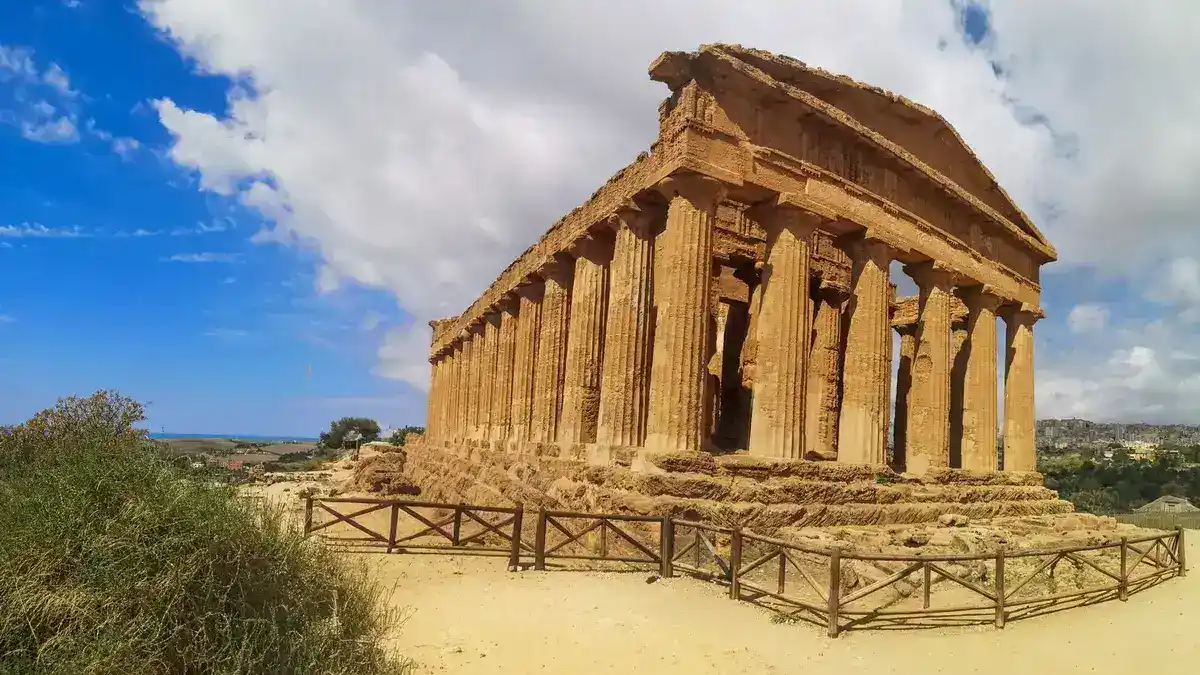
Chennai does not try to charm you at first sight. It greets you with heat, horns and a harbour breeze, then quietly wins you over with temple bells, filter coffee and a 13-kilometre beach. Most travellers treat the city as a gateway to somewhere else. That is a mistake. Give it three days and Chennai shows you a side of India that Delhi and Mumbai cannot: a living Tamil culture that is old, proud and very much alive. This guide covers the best places to visit in Chennai and around it, with verified 2026 prices, the best months to come, and a plan that actually works.
Think of Chennai as two trips in one. The city itself holds temples, colonial forts, museums and some of the best food in South India. Just beyond it sit a UNESCO rock-cut wonder, a silk-weaving temple town and a French-flavoured coast. You can do the lot in four or five unhurried days. This is your complete Chennai travel guide for 2026.
Why Should Chennai Be on Your 2026 List?
Chennai is the capital of Tamil Nadu and the cultural heart of South India. It is also one of the oldest modern cities in the country. The East India Company built Fort St. George here in 1644, and the city that grew around it became Madras. Yet Chennai never became a museum. Its temples still fill at dawn. Its music season still draws thousands every winter. Its kitchens still serve the same breakfasts they served eighty years ago.
What makes the city special is how close everything sits. A morning temple, a beach sunset and a Carnatic concert can all fit into one day. Few Indian cities pack that much variety into such a small area. That mix is why Chennai tourist places appeal to every kind of traveller, from temple lovers to food hunters. Put together, these are the best places to visit in Chennai for a first trip, and they fit into a long weekend.
- Temples: Kapaleeshwarar, Parthasarathy and the Shore Temple at Mahabalipuram span thirteen centuries of Dravidian art.
- Beaches: Marina Beach is among the longest urban beaches in the world, and Elliot’s Beach is its calmer, cleaner cousin.
- Food: Dosa, idli, Chettinad curries and frothy filter coffee, from street carts to old dining halls.
- Culture: The Margazhi Music Season fills December and January with more than 2,000 Carnatic concerts.
- Value: Most sights are free or cost less than ₹250, and the Metro runs from ₹10 to ₹70.
When Is the Best Time to Visit Chennai?
The best time to visit Chennai is November to February, when the heat eases and the city is at its most comfortable. Chennai weather in those months is the kindest it gets all year, with dry days and a sea breeze most evenings. January and February are the sweet spot: dry days, highs around 29–30°C, and the northeast monsoon mostly finished. December brings the music season, though early December can still catch the tail of the monsoon. March warms up quickly, and by May temperatures can cross 38°C with heavy humidity. The northeast monsoon itself runs roughly October to December, and November is statistically the wettest month, so keep an umbrella and a flexible plan if you come then.
| Month | Typical weather | What it suits |
|---|---|---|
| January | 21–28°C, driest month | Sightseeing, beaches, Pongal festival |
| February | 21–30°C, very little rain | Day trips, photography, festivals |
| March | 23–33°C, warming up | Early-morning temple visits |
| April–June | 26–38°C, hot and humid | Museums, food, indoor sights |
| July–September | 28–36°C, southwest monsoon showers | Budget travel, fewer crowds |
| October–December | 24–31°C, northeast monsoon rain | Music season, green landscapes |
If you can choose one month, choose January. The weather is kind, Pongal lights up the city in mid-January, and the music season is still running. February is a close second and a fine pick for a beach-and-temple trip. For a wider look at where February works best across Asia, see our best places to visit in February in 2026.
What Makes Marina Beach Worth a Sunrise?
The Marina runs for about 13 kilometres along the Bay of Bengal, making it India’s longest natural urban beach and one of the longest in the world. Marina Beach Chennai is the city’s front yard, and it belongs to everyone. It costs nothing to visit. Come at sunrise, when fishermen haul in their nets, walkers claim the sand and the heat is still asleep. By mid-morning the sun turns fierce, so early is the way to do it. Among the best places to visit in Chennai, Marina Beach is the one every local will send you to first.
Evenings are the other good hour. Families gather, kites fill the sky and food carts sell roasted corn, raw mango with chilli and murukku. The Anna Memorial and MGR Memorial sit at the northern end, and the lighthouse near the middle gives you the best view of the whole sweep of sand. Swimming is not advised here: the currents are strong and there are no lifeguards. Treat Marina as a beach for walking, eating and watching the city, not for bathing. For a proper swim-friendly beach break elsewhere, our Thailand beaches guide covers the safest shores in the region.
Why Is Kapaleeshwarar Temple the Heart of Mylapore?
Kapaleeshwarar Temple is the soul of Mylapore, Chennai’s oldest neighbourhood. The Shiva temple’s rainbow-coloured gopuram rises over a tank where devotees bathe and festivals gather. Inside, the courtyards smell of jasmine and camphor, and the morning puja fills the halls with bells and drums. Entry is free, and photography is restricted inside the inner shrines, so put the camera away and just look.
Come between 6 and 8 in the morning, when the light is soft and the crowds are mostly local. Dress modestly, remove your shoes at the entrance, and allow an hour. The temple sits at the centre of a web of old streets, flower sellers and brass shops, so the visit naturally spills into a walk. Mylapore is where Chennai feels oldest, and this temple is why.
How Do You Walk Mylapore Like a Local?
Start at Kapaleeshwarar Temple just after sunrise. Mylapore Chennai rewards walkers more than any other part of the city. From there, wander the four streets around the temple tank, where flower garlands, brass lamps and filter-coffee stalls compete for your attention. Stop for a tiffin breakfast of idli and pongal at one of the old eateries near the temple — the best places have no signboards and long queues, which is exactly the point.
Next, walk south to San Thome Basilica, a white neo-Gothic cathedral built over the tomb of St Thomas the Apostle. It is one of only three churches in the world built over an apostle’s tomb, and its quiet interior is a sharp contrast to the temple’s colour and noise. Finish at the Ramakrishna Math on R.K. Mutt Road, a calm ashram with a beautiful universal temple and a bookshop worth browsing. The whole loop takes about three hours on foot and costs almost nothing.
What Can You See at Fort St. George?
The fort is where modern Chennai began. Fort St George Chennai is still a working government complex, so parts stay closed to visitors. The East India Company completed the fort in 1644, and it became the first English fortress in India. Today the museum inside is open and well worth an hour. Entry costs ₹15 for Indians and ₹200 for foreign visitors.
Inside the museum you will find old coins, weapons, uniforms and letters from the Company’s early years. The star of the show is St. Mary’s Church, built in 1680 and the oldest Anglican church in India. Its walls carry memorials to men who died young in a strange land, and the atmosphere is oddly moving. Pair the fort with a wander through George Town next door, where spice godowns, old banks and the Broadway market show you the trading city that grew around those walls.
Is the Government Museum Worth Two Hours?
Yes, if you love art and history. The Government Museum Chennai complex in Egmore is a red-brick Victorian building, and its Bronze Gallery is one of the finest collections of its kind anywhere. The Chola bronzes here — Shiva as Nataraja, serene and perfectly balanced — are more than a thousand years old and still breathtaking. Entry costs ₹15 for Indians and ₹250 for foreign visitors.
Allow two to three hours and go early, before the school groups arrive. The archaeology, numismatics and natural-history wings are solid, but the bronzes are the reason to come. Photography rules vary by gallery, so ask at the desk. The museum sits next to the Connemara Public Library, one of Asia’s largest, and the whole Egmore area rewards a slow afternoon.
Where Do You Eat the Best Dosa in Chennai?
Chennai eats early and eats well. Chennai food is built on rice, lentils and spice, and breakfast is its great ritual: idli steamed soft as cloud, ghee pongal, a paper-thin roast dosa with sambar and three chutneys, then filter coffee poured between tumbler and dabara until it foams. The old tiffin rooms in Mylapore and Triplicane do this best, and they do it for very little money. A full breakfast rarely costs more than ₹150.
For lunch, look for a South Indian meals place serving food on a banana leaf: rice, sambar, rasam, poriyal, curd and a sweet, all for ₹150–₹300. Chettinad restaurants are the place for spice lovers — pepper chicken, crab masala and the region’s famous biryani. In the evening, Marina Beach carts and Besant Nagar’s cafes cover everything from sundal and bajji to wood-fired pizza. Vegetarians eat like royalty here, and even the simplest meals room is a point of pride. Skip the hotel breakfast at least once and eat where the queues are.
What Should You Not Miss at Mahabalipuram?
Mahabalipuram, also called Mamallapuram, sits about 55–60 kilometres south of Chennai on the East Coast Road, roughly one to one-and-a-half hours by car. It is a UNESCO World Heritage site and the finest day trip from the city. The Pallava kings carved temples from living rock here in the 7th and 8th centuries, and the Shore Temple still stands where the sea meets the sand. One ASI ticket covers the main monuments: ₹40 for Indians and ₹600 for foreign visitors, free for children under 15. The sites open at 6 AM and close at 6 PM, so arrive early to beat the heat.
- Shore Temple: An 8th-century granite temple on the beach, best photographed at sunrise.
- Pancha Rathas: Five monolithic chariot-temples, each carved from a single rock.
- Arjuna’s Penance: A vast rock relief telling stories from the Mahabharata, with elephants, nagas and hunters.
- Krishna’s Butter Ball: A giant boulder balanced on a slope, defying gravity for over a thousand years.
- Cave temples: Small rock-cut shrines with carved panels, quieter than the main sites.
Stay for lunch in the village, where seafood shacks and cafes line the main street. On the way back, stop at the Madras Crocodile Bank, about 45 kilometres south of Chennai on the same road. Founded in 1976 by the herpetologist Romulus Whitaker, it is Asia’s first crocodile breeding centre. Adult tickets cost ₹110 and children’s tickets ₹50, and it is closed on Mondays. A Mahabalipuram day trip from Chennai pairs perfectly with the Croc Bank and still gets you home for dinner.
Is Kanchipuram Worth a Day Trip?
Kanchipuram is about 75 kilometres southwest of Chennai, roughly two hours by road, and it is known as the City of a Thousand Temples. It was the capital of the Pallava dynasty, and its temples and silk looms have been famous for over a thousand years. If Mahabalipuram is about stone carved by the sea, Kanchipuram is about stone raised to the sky.
The Kanchipuram temples reward a slow morning, so arrive early and take your time. Start with Ekambareswarar Temple, a vast Shiva shrine with a 59-metre gopuram and a mango tree said to be 3,500 years old. Then visit Kailasanathar Temple, the oldest stone temple in the city, built of sandstone in the early 8th century. Kamakshi Amman Temple and Varadaraja Perumal Temple complete the circuit. Between temples, walk into a weaver’s colony and watch Kanchipuram silk being woven on wooden handlooms — a single saree can take ten days of work. Kanchi silk has held Geographical Indication status since 2005, so buy from a weaver’s cooperative or a trusted shop and check the silk mark. A private car for the day is the easiest way to do it, and most hotels can arrange one.
Should You Add Pondicherry to the Trip?
Pondicherry, now officially Puducherry, sits about 150 kilometres south of Chennai, a two-and-a-half to three-hour drive down the East Coast Road. A Pondicherry from Chennai trip works best as an overnight stay, since the drive takes most of a morning. The former French colony feels like a different country: mustard-yellow villas, bougainvillea lanes, a seaside promenade and cafes serving croissants. It makes a fine overnight add-on after Mahabalipuram, since the road passes right through it.
Walk the French Quarter in the morning, visit the Sri Aurobindo Ashram, then drive out to Auroville and its golden Matrimandir dome. The beaches here are rougher than the postcards suggest, so treat them as places to walk rather than swim. If you only have one extra day, choose Mahabalipuram over Pondicherry — it is closer and more distinctively Tamil. With two extra days, do both, and drive the coast road slowly. The sea stays on your left the whole way.
How Much Does a Chennai Trip Cost in 2026?
Chennai is one of the cheapest major cities in India for a traveller. Most sights are free or nearly free, food is excellent and inexpensive, and the Metro keeps transport costs tiny. For most travellers, the best places to visit in Chennai cost very little once you are there. The table below gives typical daily ranges per person, excluding flights. Prices are labelled ranges — check before booking, as rates move with the season.
| Item | Budget | Mid-range | Comfortable |
|---|---|---|---|
| Stay | ₹800–₹1,500 | ₹2,500–₹5,000 | ₹7,000–₹15,000 |
| Food | ₹400–₹700 | ₹800–₹1,500 | ₹1,800–₹3,500 |
| Transport | ₹100–₹300 | ₹400–₹800 | ₹1,000–₹2,000 |
| Sights | ₹0–₹200 | ₹200–₹600 | ₹600–₹1,500 |
| Daily total | ₹1,300–₹2,700 | ₹3,900–₹7,900 | ₹9,800–₹21,000 |
A three-day trip for two, staying mid-range and eating well, typically lands around ₹25,000–₹45,000 excluding flights. Day trips add roughly ₹1,500–₹3,000 for a hired car. Cash still helps at small eateries and temples, though UPI payments are accepted almost everywhere now.
How Do You Get Around Chennai?
The Chennai Metro is the easiest way to cross the city. Fares run from ₹10 to ₹70, trains are clean and air-conditioned, and the two lines cover the airport, Egmore, Central and much of the centre. Buy a travel card at the station or use a QR ticket on your phone. The Metro does not yet reach Mylapore or the beaches, so combine it with autos for the last stretch.
Autos are everywhere and run on meters in theory, though most drivers quote a price. Agree the fare before you get in, or use a ride-hailing app for a fixed price. Buses are the cheapest option of all and cover every corner, but routes can confuse a first-timer. For day trips, hire a car with a driver through your hotel — it costs far less than in most Indian metros and removes all the haggling. Walking works well inside Mylapore, George Town and Besant Nagar, which are the three neighbourhoods best explored on foot.
What Does a Perfect 3-Day Chennai Itinerary Look Like?
Three days is the sweet spot for the best places to visit in Chennai. It gives you the temples, the beaches, the food and one big day trip without rushing. Here is a plan that has worked for many first-timers.
Day 1 — Old Chennai. Start at Kapaleeshwarar Temple at sunrise, walk Mylapore, then San Thome Basilica and the Ramakrishna Math. After lunch, visit Fort St. George and St. Mary’s Church, then George Town’s markets. End the day at Marina Beach for sunset and street food.
Day 2 — Museums, food and the south coast. Spend the morning at the Government Museum and its Bronze Gallery. Eat a banana-leaf lunch, then take the Metro and an auto to Besant Nagar for Elliot’s Beach, the Ashtalakshmi Temple and the cafes along the shore. Stay for the evening, when the beach fills with families and the breeze picks up.
Day 3 — Mahabalipuram. Leave by 7 AM for the Shore Temple at sunrise, then Pancha Rathas, Arjuna’s Penance and Krishna’s Butter Ball. Lunch in the village, stop at the Crocodile Bank on the way back, and finish with dinner on the East Coast Road. With a fourth day, add Kanchipuram or an overnight in Pondicherry.
Is Chennai Safe for Solo Travellers?
Chennai is generally considered one of the safer large cities in India for visitors, including women travelling alone. The US State Department rates India at Level 2, exercise increased caution, and the usual big-city rules apply: use ride-hailing apps at night, avoid empty stretches of beach after dark, and keep valuables out of sight in crowded markets. Mylapore, Besant Nagar and the Anna Nagar area feel particularly relaxed in the evenings.
Dress modestly at temples — covered shoulders and knees, shoes off — and you will be welcomed warmly. Tamil people are famously hospitable, and a smile plus a “vanakkam” opens most doors. For a fuller safety playbook and the world’s safest destinations for women travelling alone, read our best places to visit for single woman travellers. If you are escaping a cold winter elsewhere, Chennai’s January warmth is a fine antidote — quite the opposite of our New York in winter guide, where the city freezes and the rinks open.
Where Should You Stay in Chennai?
Base yourself by your style of trip. Mylapore and Triplicane suit culture lovers: you wake up to temple bells and walk to breakfast. The Anna Salai and Nungambakkam area suits business travellers and shoppers, with the Metro close by. Besant Nagar suits beach lovers and slow mornings, with cafes and Elliot’s Beach at your door. T. Nagar is the place for serious shoppers, famous for its silk and jewellery stores around Pondy Bazaar.
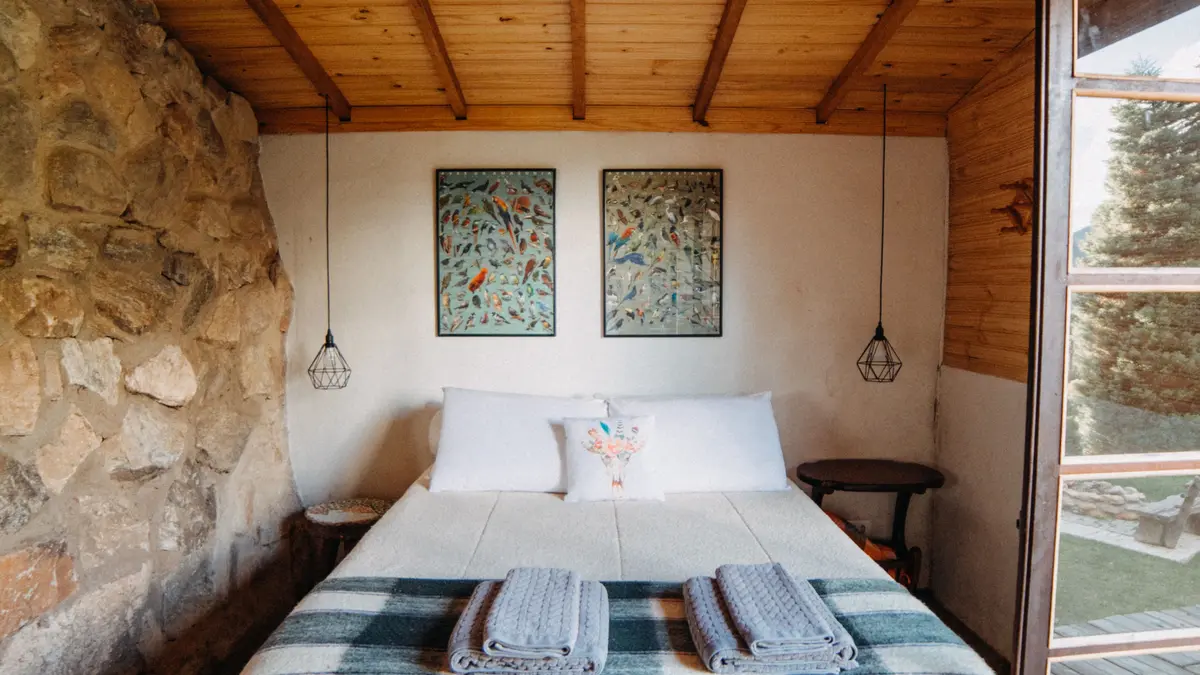
Book early for December and January, when the music season fills the better hotels. Homestays in Mylapore are a lovely alternative to hotels, and many include a home-cooked Tamil breakfast. Couples will find the East Coast Road resorts a romantic change of pace after the city — sunset on the beach, dinner under the palms — and if you are planning a longer romantic trip, our Istanbul for couples guide pairs well with the same spirit of slow, shared exploring. For a broader India plan, our Delhi with girlfriend guide covers the capital’s romantic side too.
Frequently Asked Questions
How many days do you need in Chennai?
Three days cover the best places to visit in Chennai well, and four to five days let you add Mahabalipuram and Kanchipuram. With only two days, skip the day trips and focus on Mylapore, the fort and the beaches.
What is the best month to visit Chennai?
January is the best month: dry, warm at 21–28°C, and full of the Pongal festival and the music season. February is nearly as good, and November to December works if you accept some monsoon rain.
Is Marina Beach safe for swimming?
No. The currents are strong and there are no lifeguards. Enjoy Marina for walks, food and sunsets, and swim at a hotel pool or a calmer beach elsewhere instead.
Can you do Mahabalipuram and Kanchipuram in one day?
It is possible but rushed — the two towns sit about 65 kilometres apart. Most travellers enjoy Mahabalipuram far more with a full day of its own, and Kanchipuram deserves another.
What food must you try in Chennai?
Start with idli, dosa and filter coffee at a tiffin room, then a banana-leaf meals lunch, then Chettinad chicken or crab masala. Finish with jigarthanda, the city’s beloved cold milk drink, on a hot afternoon.
Do you need cash in Chennai?
Mostly no. UPI payments work almost everywhere, from Metro tickets to street carts. Keep some small notes for temple offerings and tiny vendors.
Chennai rewards the traveller who slows down. The best places to visit in Chennai are not the ones you tick off fastest; they are the ones you return to at dawn. Come in January, stay four days, and let the city set the pace.