Your dashboard lights up. The shop calls with a number. And your first thought is simple: is this fair, or am I being taken for a ride? In 2026, that question matters more than ever. The average car repair now costs $838, according to Kelley Blue Book data, and shop prices have climbed 51.2% since August 2020, according to the U.S. Bureau of Labor Statistics. This guide lays out car repair costs 2026 drivers actually face, what drives the bill up, and how a good shop earns your trust. It starts with a small Texas shop called Caney Auto Service, because the way its customers talk about it shows exactly what honest repair work looks like.
What Is Caney Auto Service?
Caney Auto Service is a small independent auto repair shop in Wharton, Texas, a town of about 8,700 people southwest of Houston on Highway 59. It has been serving drivers for decades, according to its customers, and it is run by an owner named Trey. That is the honest picture. The name causes some confusion, because Caney is also a town in Kansas, and there is no official website for the shop that lists an address, phone number, or opening hours. So this guide does not print those details. What it can do is show what customers say about the place, because those stories tell you more about a shop than any advert could.
One customer went in for a front-end alignment. The owner took the car for a short test drive, came back, and said the alignment would not fix the problem. Busted belts inside a front tyre were the real fault. He told the customer straight, even though it meant turning work away.
Another driver put a few gallons of petrol into a diesel truck at a Buc-ee’s in Wharton. Caney sent the local wrecker, picked the driver up, and the owner lent him his own car while the truck was fixed. The truck was ready in three hours, and the customer said the price came in well under Houston rates.
A third driver pulled off Highway 59 with an overheating pickup and a leaking water pump. It was 4 p.m., close to closing time, and the driver was 82 miles from home. A mechanic stayed late, got the parts, and made the repair.
Not every review is glowing. A few customers complain about poor communication and a check-engine light that stayed on after several visits. That mix is normal for a busy independent shop. The pattern that stands out is the honesty. A shop that talks you out of work you do not need is a shop you can trust with the work you do need.
Why Do Car Repairs Cost So Much in 2026?
Three forces push bills up. First, labour. Independent shop mechanic labor rates 2026 averaged about $132 an hour, according to the Tekmetric labour rate index, and dealers charge roughly 25% more. A job that takes four hours costs over $500 in labour alone before a single part is fitted. Second, parts. Modern cars carry sensors, cameras, and modules that older cars never had, and those parts cost more. Third, complexity. A brake job on a car with electronic parking brakes needs a scan tool reset. Windscreen replacement may need the driver-assistance cameras recalibrated. The work takes longer and needs better equipment.
That is why two quotes for the same repair can look so different. One shop may quote cheap parts and skip the calibration. Another may use original-equipment parts and do the full job. The cheaper quote is not always the better deal. Ask what is included before you compare prices.
How Much Does a Car Repair Cost in 2026?
There is no single answer, because the car, the fault, and the shop all change the price. But the national averages give you a useful anchor. Kelley Blue Book data puts the average car repair cost at $838. RepairPal’s all-model average for maintenance and repairs is $652 a year, about $54 a month. AAA’s 2026 figures work out to about $1,755 a year for a new car driven 15,000 miles, including maintenance, repairs, and tyres. The gap between those two numbers is the gap between an older car and a new one, and between a cheap hatchback and a luxury SUV.
Plan on roughly $650 to $1,750 a year for maintenance and repairs. Older cars and high-mileage cars sit at the top of that range, and sometimes above it. Keep a repair fund of at least $500 to $1,000 a year if your car is over eight years old. That way a $900 alternator does not become a crisis.
| What the number covers | 2026 figure | Source |
|---|---|---|
| Average cost of one repair | $838 | Kelley Blue Book / Cox Automotive |
| Average yearly maintenance and repair cost, all models | $652 | RepairPal, 2026 |
| Yearly maintenance, repairs and tyres, new car at 15,000 miles | About $1,755 | AAA Your Driving Costs, 2026 |
| Average check-engine-light repair | $554 | CarMD 2026 Vehicle Health Index |
| Shop price rise since August 2020 | 51.2% | U.S. Bureau of Labor Statistics |
What Do the Most Common Car Repairs Cost?
The table below shows typical US price ranges for the repairs shops see most often. All figures are parts and labour before tax, and they come from published estimators such as RepairPal, Kelley Blue Book, and ConsumerAffairs. Your car will differ. A 2024 BMW costs more to fix than a 2018 Honda Civic, and a dealer costs more than an independent shop. Use these ranges as a starting point, then get a quote for your exact car.
| Repair | Typical range | What drives the price |
|---|---|---|
| Brake pads, per axle | $150–$400 | Pad quality, rotors, sensors |
| Brake pads and rotors, per axle | $250–$600 | Rotor condition, vehicle size |
| Car battery replacement | $200–$450 | Battery type, programming |
| Alternator replacement | $450–$1,100 | Access, part quality |
| Starter replacement | $400–$800 | Engine layout, labour time |
| Oxygen sensor replacement | $200–$500 | Sensor location, brand |
| Spark plugs and wires | $250–$600 | Plug type, engine design |
| Ignition coil replacement | $100–$600 | One coil or a full set |
| AC recharge | $400–$550 | Refrigerant type, leaks |
| AC compressor replacement | $1,300–$2,600 | Compressor, dryer, labour |
| Radiator replacement | $750–$1,850 | Radiator size, hoses |
| Fuel pump replacement | $900–$1,100 | Tank access, pump type |
| Timing belt replacement | $500–$1,350 | Labour, water pump at the same time |
| Clutch replacement | $900–$2,800 | Mostly labour |
| Head gasket replacement | $2,500–$5,500 | Labour-heavy engine work |
| Transmission replacement | $3,000–$9,000+ | Rebuild or new unit |
| Engine replacement | $5,000–$10,000+ | Used, rebuilt, or new engine |
| Catalytic converter replacement | $900–$4,500 | Converter type, vehicle |
How Much Do Brake Repairs Cost?
Brakes are the most common repair of all, because pads wear out by design. A brake pad replacement cost of $150 to $400 per axle is typical, according to RepairPal’s national estimates. Add rotors and the job runs $250 to $600 per axle. Front brakes cost more than rear brakes, because they do 60 to 70% of the stopping work.
Watch for the signs. A squeal when you brake usually means the wear indicator is touching the rotor. Grinding means the pads are gone and metal is hitting metal, which damages the rotors and raises the bill. If the pedal pulses, the rotors are probably warped. Softness in the pedal can mean worn pads, air in the lines, or a brake fluid leak, and that one needs attention fast.
Ask the shop to show you the old pads and measure them. Pads thinner than 3 mm need replacing. If the shop says you need rotors too, ask to see the rotor surface and the measurement. A good shop will show you. One that waves you away is hiding something.
What Does a Battery or Alternator Replacement Cost?
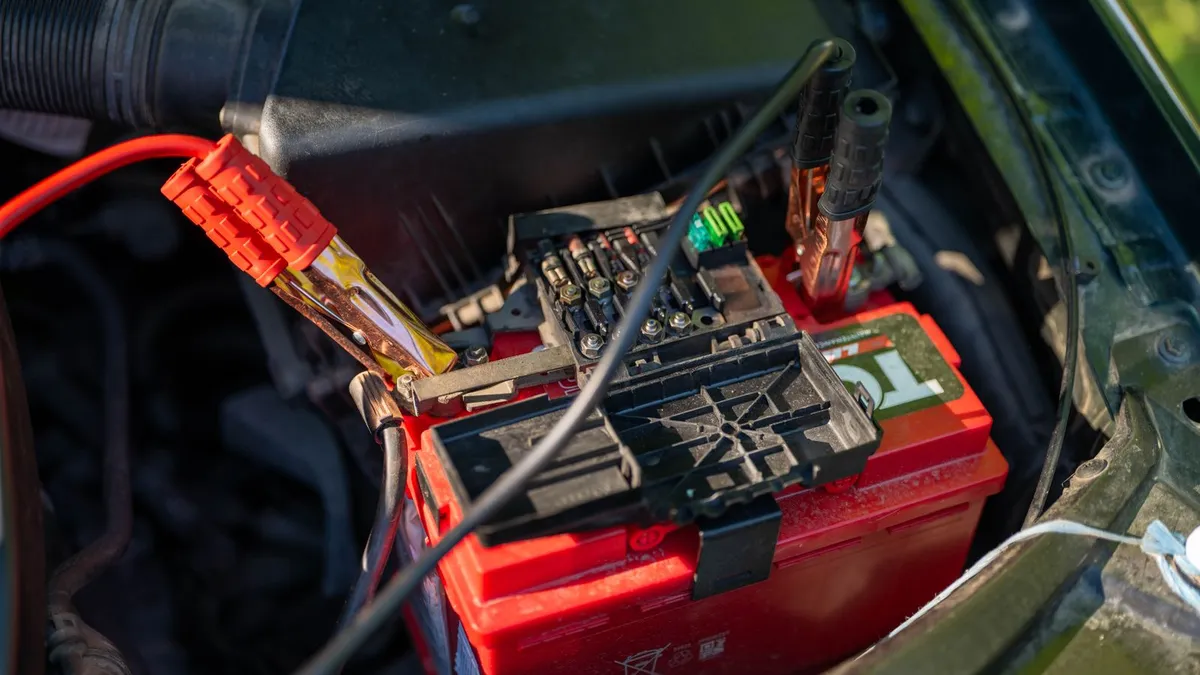
A car battery replacement cost of $200 to $450 is typical in 2026, according to ConsumerAffairs, which puts the average at $414. Modern batteries cost more than old ones, because many cars need an AGM battery and some need the new battery registered to the car’s computer. That registration takes a scan tool and a few minutes of labour.
An alternator replacement cost of $450 to $1,100 is typical. RepairPal’s national estimate is $809 to $1,088, while Kelley Blue Book data puts the average at $754 to $850. The alternator charges the battery and powers the electrics while the engine runs. When it fails, the car runs on the battery alone and dies within minutes or hours. Dim lights, a whining noise, and a battery warning light are the classic signs.
A starter replacement cost of $400 to $800 is typical. RepairPal’s estimate is $565 to $796, and Kelley Blue Book data puts the average at $744 to $837. The starter cranks the engine. When it fails, you turn the key and hear a click, or nothing at all. Starters usually last 80,000 to 150,000 miles before the brushes and solenoid contacts wear out.
One common mistake is replacing the battery when the alternator is the real fault, or the other way round. A proper test takes ten minutes. The shop should test the battery, the alternator output, and the starter draw before selling you any of them.
What Does a Check Engine Light Repair Cost?
The check-engine light is the most feared warning on the dashboard, and the bill behind it varies wildly. CarMD’s 2026 Vehicle Health Index puts the average check-engine-light repair at $554. The cheapest fix is often a loose fuel cap, which costs nothing. Most common real faults are oxygen sensors, catalytic converters, spark plugs, and ignition coils.
An oxygen sensor replacement runs $200 to $500. The sensor measures exhaust gases and tells the engine computer how to mix fuel and air. When it fails, fuel economy drops and emissions rise. A spark plug job runs $250 to $600, depending on plug type and engine design. Some engines hide the rear plugs under the intake manifold, which doubles the labour. An ignition coil replacement runs $100 to $600, depending on whether one coil or a full set is needed.
Never ignore the light for long. A flashing check-engine light means an active misfire, and driving on it can damage the catalytic converter, turning a $300 repair into a $2,000 one. Get the code read. Many parts stores will read it free, and the code tells you where to start.
What Does an AC Repair Cost?
Air conditioning repairs split into two very different bills. An AC recharge runs $400 to $550, according to ConsumerAffairs. That covers new refrigerant and a leak check. But a recharge is not a fix if the system leaks. The refrigerant will escape again, and you will pay twice.
An AC compressor replacement cost of $1,300 to $2,600 is typical. The compressor is the heart of the system, and replacing it usually means replacing the dryer and flushing the lines too. That is why the bill is so high. If the shop quotes a recharge without checking for leaks, ask why. A good shop finds the leak first, then quotes the repair.
What Does a Timing Belt Replacement Cost?
A timing belt replacement cost of $500 to $1,350 is typical. RepairPal’s national estimate is $918 to $1,338, and about two-thirds of that is labour, because the belt sits deep inside the engine. The belt keeps the crankshaft and camshaft in sync. If it snaps, the pistons can hit the valves, and the engine may be ruined.
Most makers call for a new timing belt between 60,000 and 100,000 miles. Check your owner’s manual for the exact interval. Replace the water pump at the same time. The pump sits behind the same covers, so doing it later means paying the same labour twice. Skipping the belt is a false saving. A $1,000 belt job beats a $5,000 engine every time.
What Does a Transmission Repair Cost?
Transmission work is where repair bills get serious. A minor transmission repair, such as a solenoid or a seal, can run $500 to $1,000. Full rebuilds or replacements run $3,000 to $9,000 or more, according to ConsumerAffairs. RepairPal’s national estimate for a transmission replacement is $6,238 to $6,764.
Watch for slipping gears, delayed engagement, harsh shifts, and fluid that smells burnt or looks dark brown. Transmission fluid should be pinkish-red. Dark fluid with a burnt smell means the clutches are wearing out. A fluid change costs $205 to $374, according to ConsumerAffairs, and it is cheap insurance if done on schedule. But if the transmission is already slipping, a fluid change will not save it, and some shops will tell you that straight. That honesty is worth more than the sale.
What Does a Head Gasket Replacement Cost?
A head gasket replacement cost of $2,500 to $5,500 is typical. RepairPal’s national estimate is $2,572 to $3,386, while ConsumerAffairs puts the range at $3,000 to $5,500. The gasket seals the cylinder head to the engine block. When it fails, coolant leaks into the cylinders or oil, the engine overheats, and white smoke pours from the exhaust.
Head gasket work is mostly labour. The cylinder head has to come off, be checked for warping, and go back on with new bolts and gaskets. It takes a skilled mechanic a full day or more. If the head is cracked or the block is damaged, the bill climbs fast, and at that point you need to ask the repair-or-replace question.
Should You Repair or Replace Your Car?
The repair or replace car decision is the hardest call in car ownership. A simple rule helps. If the repair costs more than half the car’s value, and another big repair is likely soon, selling starts to make sense. When the car is otherwise sound and the repair fixes the only problem, repairing usually wins. A $3,000 transmission on a car worth $4,000 is a bad bet. By contrast, a $900 alternator on a car worth $6,000 is an easy yes.
Look at the whole picture. How old is the car? What mileage has it done? How much did you spend on it in the last year? A car that needs a $2,000 repair every six months is not a bargain, even if each repair looks small on its own. Add up the last twelve months of repair bills before you decide. And get the estimate in writing, with parts and labour listed separately, so you can compare it honestly against the car’s value.
How Do You Read a Car Repair Estimate?
Every car repair estimate has the same three parts: parts, labour, and shop fees. Parts are the components being replaced. Labour is the mechanic’s time, billed at the shop’s hourly rate, and it should list the hours for each job. Shop fees cover supplies, disposal, and consumables. A good estimate lists all three separately.
Ask four questions before you approve anything. First, are the parts new, rebuilt, or used? Second, what is the labour rate and how many hours are charged? Third, is there a warranty on parts and labour, and for how long? Fourth, what happens if the shop finds something else once the car is apart? A trustworthy shop calls you before doing extra work. One that does the work first and tells you later is a shop to leave.
Diagnostic fees deserve a mention. Most shops charge $100 to $200 to diagnose a fault, and many waive the fee if you approve the repair. That is fair. Diagnosis is skilled work, and a proper diagnosis saves you from paying for parts you do not need.
How Can You Avoid Mechanic Scams?
Most mechanics are honest. The bad ones rely on customers who cannot check the work. You can protect yourself with a few simple habits. Get a written estimate before any work starts, and make the shop call you before adding anything. Ask for the old parts back. A shop that replaced your brake pads should be able to hand you the worn ones. Check the repair price against an online estimator such as RepairPal or Kelley Blue Book before you agree. If the quote is far above the range, ask why.
Watch for the classic red flags. A shop that refuses to show you the fault, or that pressures you to decide on the spot, is a warning sign. So is a long list of urgent repairs on a car that drove in fine. Get a second opinion on any bill over $1,000. It costs little and it can save a lot. And remember the Caney test. A shop that talks you out of work you do not need has earned your trust. One that finds a new problem every visit has not.
What Should You Do When Your Car Breaks Down on the Road?
Breakdowns rarely happen somewhere convenient. They happen on a highway, far from home, with a schedule to keep. The first rule is safety. Get the car off the road, turn the hazard lights on, and stay clear of traffic. The second rule is to call a shop, not to keep driving. An overheating engine driven for ten more minutes can turn a $900 water pump into a $5,000 engine.
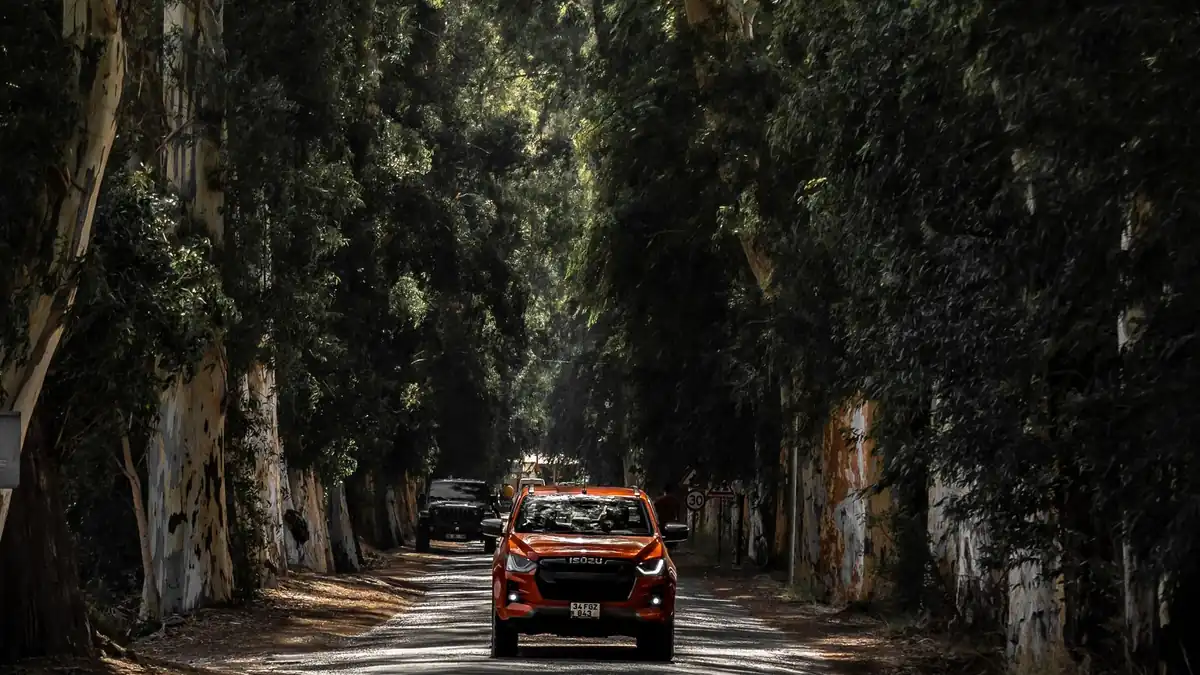
The Caney stories show what a good roadside shop does. When a driver put petrol in a diesel truck at a Buc-ee’s in Wharton, the shop sent a wrecker, collected the driver, and lent the owner’s car so the trip could continue. In another case, a driver arrived at 4 p.m. with a leaking water pump, 82 miles from home, and a mechanic stayed late and made the repair the same day. That is the difference between a shop and a good shop. One fixes cars. The other looks after drivers.
Keep a small kit in the boot: a torch, a phone charger, a bottle of water, and your roadside assistance number. And save the number of a trusted shop before you need it, not after. The worst time to look for a mechanic is when you are standing on the hard shoulder.
How Do You Find a Good Car Repair Shop Near You?
Searching for a car repair near me will give you a long list, and the list will not tell you which shop is honest. Start with certifications and memberships. ASE certification shows the mechanic passed industry exams. AAA Approved Auto Repair shops agree to a code of practice and a warranty standard. Then read the reviews, but read them properly. Look for reviews that describe a specific problem and a specific outcome, not just five stars with no detail. A review that says “they told me I did not need the repair” is worth ten reviews that say “great service”.
Visit the shop before you need it. A clean, organised workshop and a service advisor who explains things plainly are good signs. Ask for a written estimate on a small job, such as an oil change, and see how the shop handles it. If the experience feels right, you have found your shop before the emergency arrives. Our guide on how to choose an auto repair shop walks through the checks in full, from ASE certification and AAA approval to labour rates, estimates, warranties, and red flags.
Can Regular Maintenance Really Save You Money?
Yes, and the numbers prove it. An oil change costs $35 to $150. Running without oil can ruin an engine, and that costs $5,000 or more. A tyre rotation costs $60 to $72. Four new tyres cost $907, according to ConsumerAffairs, and worn tyres wear out faster and handle worse. A brake inspection costs little. Leave a brake job late and it costs hundreds more, because worn pads damage the rotors.
The cheapest repair is the one you never need. Follow the maker’s schedule for oil, filters, fluids, and belts, and fix small problems while they are small. A squeak today is a $200 pad job. The same squeak ignored for a month is a $600 pad and rotor job. Our car maintenance schedule by mileage lays out the full service plan from 5,000 to 120,000 miles, so you can see exactly what your car needs and when.
Frequently Asked Questions
How much does a car repair cost on average in 2026?
The average repair costs $838, according to Kelley Blue Book data. Routine jobs such as brakes, batteries, and sensors usually run $100 to $600, while engine and transmission work runs $2,500 to $7,000 or more.
What is the most common car repair?
Brake pads are the most common repair, because they wear out by design. Batteries, alternators, starters, and oxygen sensors follow close behind. Most of these jobs cost $150 to $1,100, depending on the car.
How much should I budget for car repairs each year?
Budget $650 to $1,750 a year. RepairPal’s all-model average is $652 a year, while AAA’s figure for a new car is about $1,755 a year. Older cars and high-mileage cars need the bigger number.
Is it worth repairing a car with 200,000 miles on it?
It depends on the repair and the car. A $900 alternator on a sound car is worth doing. But a $4,000 transmission on a car worth $3,000 is usually not. Add up what you spent in the last year and compare the repair to the car’s value.
Why do mechanics charge so much for labour?
Labour rates cover the mechanic’s wages, training, tools, and the shop’s equipment. Independent shops averaged about $132 an hour in 2026, according to Tekmetric, and dealers charge roughly 25% more. Complex cars take longer, which is why the labour line is often the biggest part of the bill.
How do I know if a mechanic is overcharging me?
Check the quote against an online estimator such as RepairPal or Kelley Blue Book. Ask for the estimate in writing, with parts and labour listed separately. Get a second opinion on any bill over $1,000, and ask for the old parts back.
Sources: Kelley Blue Book / Cox Automotive average repair cost data; CarMD 2026 Vehicle Health Index; AAA Your Driving Costs 2026; RepairPal reliability and average annual repair costs 2026; U.S. Bureau of Labor Statistics Consumer Price Index for motor vehicle maintenance and repair; ConsumerAffairs average car maintenance costs 2026; Tekmetric 2026 labour rate index; Blue Rose Auto car repair costs in 2026; AutoPom auto repair costs; customer reviews of Caney Auto Service, Wharton, Texas, via WorldOrgs.