Buying Your First Car: A Complete Guide for New Drivers
Buying your first car is exciting and a little nerve-wracking. You want freedom, but you also want a car that will not drain your savings. This first car buying guide covers the whole journey: budget, choosing, checking, insuring, and paying. Follow it in order, and your first car will be a good memory, not a costly lesson.
Firstly, remember that a first car is a learning car. Secondly, simple and cheap to run beats fast and flashy every time. Finally, the checks in this guide protect you from the mistakes most first-time buyers make.
How to Buy Your First Car?
Learning how to buy your first car starts with a plan, not a showroom visit. Set your budget first. Then decide what size and type of car fits your life. After that, research running costs and insurance. Only then should you start viewing cars.
Talk to experienced drivers you trust. Ask what they wish they had known before their first purchase. In addition, read owner reviews of the models on your shortlist. Look for patterns, such as common faults or expensive parts, rather than single complaints.
Take your time. The right first car is worth waiting for. A rushed purchase often ends in regret. Therefore, treat the search as a project with steps, not as a single shopping trip.
How Much Should I Spend on My First Car?
Asking how much should I spend on my first car is the most important question in this guide. Start with your total budget, then split it. Keep money aside for insurance, tax, and a first service. As a result, the car you buy will be one you can actually afford to drive.
A useful rule is to spend less than you can stretch to. A cheaper car leaves room for repairs and surprises. In addition, a first car often picks up small scrapes while you build experience. A lower price makes those scrapes cheaper to live with.
Your first car budget should also cover running costs for the first months. Fuel, insurance, and a service add up fast. Therefore, add up the monthly costs before you agree a price. If the total feels tight, choose a cheaper car. There will be time for a better car later.
What to Look for in a First Car?
The question of what to look for in a first car has a simple answer: visibility, simplicity, and low costs. Good visibility helps a new driver judge gaps and park safely. Simple controls keep your attention on the road. Low running costs keep the car affordable month after month.
Choose a small or medium car. Large cars are harder to park and cost more to insure. In addition, choose a car with a good safety record and a full service history. A car that was cared for will treat you better than a neglected car of any age.
Check the practical details. Can you see clearly over the bonnet? Do the mirrors give a wide view? Is the boot big enough for your usual loads? Finally, sit in the back seat. If passengers will ride with you, their comfort matters too.
What Is the Best First Car for New Drivers?
Asking what is the best first car for new drivers has no single answer, because the best car depends on your life. However, the best first car always shares the same qualities. Small size makes parking easy. Low running costs keep it cheap to insure and fuel. A solid reliability record and cheap parts complete the picture.
Avoid high-performance cars for a first purchase. They cost more to insure and more to repair. They also tempt a new driver to drive faster than their experience allows. Similarly, avoid rare models with scarce parts. A common model means cheaper parts and more mechanics who know it well.
Focus on condition over brand. A well-kept example of a modest model beats a neglected example of a fancy one. In short, the best first car is the one that fits your budget, your parking space, and your daily trips.
First Car for Young Drivers
A first car for young drivers carries extra costs, and insurance is the biggest one. Young drivers pay more because insurers see more risk. Therefore, choose a car in a low insurance group. Small engines and strong safety features help. In addition, adding an experienced driver to the policy can lower the cost in some cases.
Young drivers should also think about where the car sleeps at night. A driveway or garage can lower insurance costs and reduce theft risk. Meanwhile, a car parked on a busy street faces more bumps and more risk. Ask your insurer what difference the parking place makes.
Build good habits from the start. Keep a simple log of fuel, services, and repairs. It teaches you what your car costs and when it needs care. Furthermore, it helps you sell the car later with a clear record. Good habits are free, and they pay off for years.
Cheap First Cars for New Drivers
Cheap first cars for new drivers can be smart buys, but cheap must never mean careless. A low price often hides worn tyres, due services, or hidden faults. Therefore, budget for a check and a service on top of the price. A cheap car with a clean bill of health is a bargain. A cheap car with hidden faults is a money pit.
Look for cars with full service history, even at low prices. A stamped book and old invoices show care. In addition, prefer a car with two keys, a spare wheel, and a working set of tyres. These small things add up if you must buy them all at once.
Our guide to what common car repairs really cost helps you price the jobs a cheap car may need. If the repair bill plus the price beats the cost of a better car, walk away. In short, buy the cheapest good car, not the cheapest car.
First Car Checklist
A first car checklist keeps you organised. Use it on every viewing, and do not skip steps when you feel excited. The checklist covers the body, the engine, the interior, the documents, and the drive. Tick each item off as you go.
On the body, look for rust, dents, and mismatched paint. Under the bonnet, check oil, coolant, and belts. Inside, test every switch and look for damp or damage. In addition, check the tyres for wear and the lights for damage. For tyre guidance, read our Doral SDL Sport tyre guide before you view.
On the documents, check the registration paper, the service history, and old test certificates. Confirm the seller is the keeper named on the document. Finally, take the car for a proper drive on different roads. A checklist turns excitement into a calm, careful decision.
First Car Test Drive Tips
Good first car test drive tips start with a cold engine. Ask the seller not to warm the car up before you arrive. A cold start reveals starting trouble and smoke. Listen at start-up, then drive gently for the first minutes.
Test the car on slow streets, a main road, and a hill. Check the steering, brakes, gears, and clutch. Listen for knocks over bumps and whines at speed. In addition, test the heater, air conditioning, and all the electrics while you drive. A test drive should last at least twenty minutes.
After the drive, look under the car for leaks. Check the temperature gauge and the warning lights. If you feel unsure, ask a knowledgeable friend or a mechanic to come along. A second pair of eyes often spots what excitement hides. In short, never buy a first car without driving it yourself.
How Does First Car Insurance for New Drivers Work?
First car insurance for new drivers works like other car insurance, but the price is higher. Insurers price risk by age, experience, car, and address. A new driver with no history pays more. However, you can lower the cost with smart choices.
Choose a car in a low insurance group. Park off the street if you can. Consider a policy with a mileage limit that matches your real use. In addition, compare several quotes instead of accepting the first one. Our guide to insurance coverage types explains the cover options worth comparing.
Build your no-claims record from day one. Every claim-free year lowers future prices. Therefore, drive carefully and avoid small claims that cost more in lost discounts than they save. Insurance rewards patience and care over time.
What Are Your First Car Financing Options?
The first car financing options include cash, a bank loan, and dealer finance. Cash is simplest. You own the car outright and pay no interest. However, it ties up your savings. A loan spreads the cost, but you pay interest on top.
Dealer finance can look cheap, with low monthly payments. Read the terms carefully. Some deals include a large final payment or a mileage limit. In addition, the total repaid matters more than the monthly figure. Always compare the full cost of each option.
Our auto financing guide explains loan rates and how to get the best deal. Use it before you sign anything. In short, borrow only what you can repay comfortably, even if your income dips for a month or two.
Buying a First Car Privately
Buying a first car privately can save money, but it needs extra care. A private sale is usually sold as seen, with little comeback. Therefore, do every check yourself. Meet the seller at their home and check that the address matches the registration document.
Ask why the seller is selling. A clear reason, such as a bigger car for a growing family, is reassuring. A vague answer deserves a closer look. In addition, ask for the service history and old invoices. A seller with records is a seller who cared.
Pay by bank transfer for a clear record. Get a written receipt with the car details, the price, the date, and both names. Meanwhile, arrange insurance before you drive away. A private purchase rewards careful buyers and punishes rushed ones.
What Are the First Car Running Costs?
The first car running costs include fuel, insurance, tax, servicing, tyres, and repairs. Fuel depends on your miles and the car’s thirst. Insurance is often the largest cost for a new driver. Servicing keeps the car reliable and protects its value.
Follow the maker’s service schedule from the start. Our car maintenance schedule by mileage shows what to expect at each stage. In addition, learn to check oil, coolant, and tyre pressure yourself. These small habits prevent big bills.
Choose a garage before you need one. Our guide to dealer versus independent mechanics explains your options. Furthermore, our guide to finding a quality auto repair shop helps you pick a garage you can trust. In short, running costs are manageable when you plan for them.
How Do You Keep Your First Car in Good Shape?
Keeping your first car in good shape starts with small weekly habits. Check the tyre pressure and the oil level once a week. Look for new leaks on the ground where you park. Listen for new noises and deal with them early. Small problems stay cheap when you catch them fast.
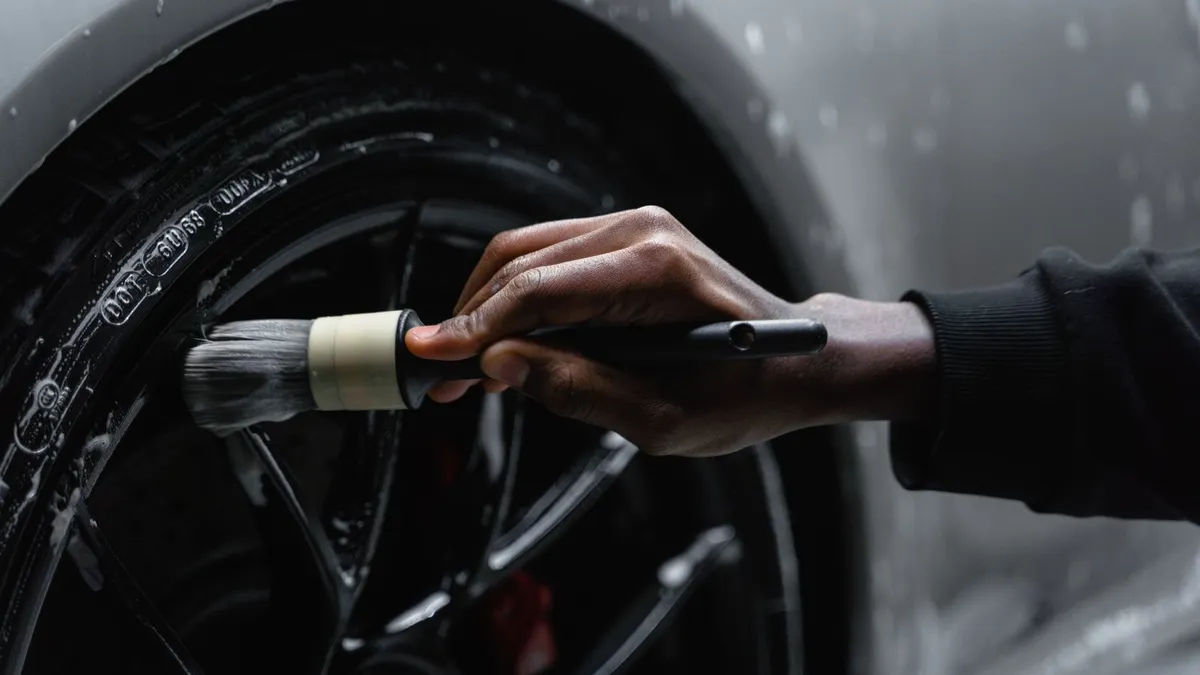
Wash the car regularly and keep the inside clean. Dirt and salt speed up rust, especially under the car. In addition, keep the service book up to date and store every invoice in one folder. A clear record proves the car was cared for and helps you sell it later. Finally, drive gently while the engine warms up. A car that is treated well in its first months will reward you for years.
First Car Mistakes to Avoid
The first car mistakes to avoid start with buying on looks alone. A shiny car can hide rust, worn brakes, and a poor history. Always check the car in daylight, drive it, and read its documents. Looks fade. Faults do not.
Another mistake is skipping the history check. A car with hidden finance or a stolen record can be taken from you. In addition, never pay a deposit before seeing the car. A seller who demands money before a viewing is a red flag.
Finally, do not stretch your budget for a car you cannot afford to run. A car you cannot insure or service becomes a burden, not a freedom. Buy within your means, keep it serviced, and enjoy the road. Your first car should open up your world, not close down your bank account.