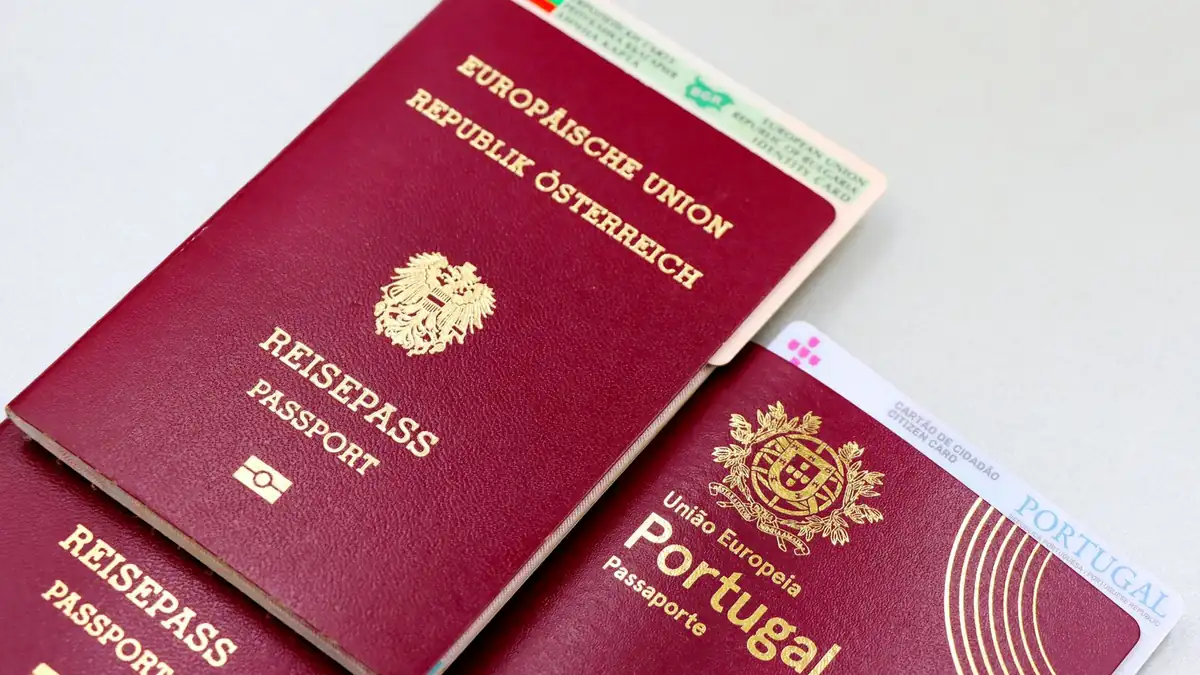
Every year, people fleeing danger cross borders and ask for protection. Asylum process explained in plain terms is the legal route by which a state decides whether such a person qualifies as a refugee. Moreover, the process is long, detailed, and often stressful. In particular, it involves interviews, evidence, and appeals. This guide follows each stage in order. It is educational only. However, it is not legal advice for any specific case.
Asylum law rests on a simple idea. A person who faces persecution at home should not be sent back to face it. That idea is written into the Refugee Convention and into the laws of many countries. However, the hard part is deciding who qualifies. Officials must judge credibility, weigh evidence, and apply a legal test to human stories. Those judgments carry enormous weight. A wrong decision can put a life at risk.
What Is the Difference Between a Refugee and an Asylum Seeker?
Refugee vs asylum seeker is a distinction of status, not of worth. For example, an asylum seeker is a person who has asked for protection and waits for a decision. A refugee is a person whose claim has been accepted. The same person can move from one label to the other. The claim decides which label applies.
The distinction matters in law. Asylum seekers often have limited rights while they wait. Many cannot work while they wait. Officials often assign housing instead. Refugees usually gain wider rights after recognition. As a result, they can work, study, and travel more freely. In addition, refugees gain protection from return. That protection is the heart of the whole system.
People sometimes use the two terms as if they were the same. They are not. An asylum seeker is a claimant. A refugee is a recognised person. In short, the gap between the two is the asylum process itself. Understanding the gap is the first step to understanding the law.
What Is the Refugee Convention?
Refugee convention explained briefly is the 1951 treaty that defines who counts as a refugee. Firstly, it sets out the test. A refugee is a person outside their country who cannot return because of a well-founded fear of persecution. In particular, the fear must link to race, religion, nationality, membership of a social group, or political opinion. Those five grounds are the heart of the definition.
The Convention also sets out key protections. The best known is non-refoulement. That principle forbids sending a refugee back to a place where they face persecution. It is the foundation of the whole system. Consequently, without it, the definition would mean little. A state could recognise a refugee and still return them to danger.
Not every country applies the Convention in the same way. However, courts interpret the grounds differently. Some read “social group” broadly. Others read it narrowly. Those differences change outcomes. Nevertheless, the Convention gives every system a shared starting point. Lawyers, officials, and judges all work from the same text.
How Does Refugee Status Determination Work?
Refugee status determination is the official process of deciding a claim. Firstly, it usually starts with registration. The claimant gives basic details and states the wish to seek asylum. Next, officials record the claim and arrange the next steps. Those steps include an interview, evidence gathering, and a decision. The order can vary by country, but the shape is similar.
Asylum decision making turns on two questions. Is the claimant’s story credible? Does the story fit the legal test? In practice, credibility comes first. Officials compare the account with country information, documents, and the claimant’s own statements. Inconsistencies raise doubts. By contrast, consistent, detailed accounts build trust. However, officials must also allow for trauma, memory gaps, and translation problems. Nevertheless, a perfect story is not required. An honest one is.
The legal test comes next. Officials ask whether the feared harm amounts to persecution. Next, they ask whether the fear links to a Convention ground. Finally, they ask whether the home state can or will protect the person. If the answers point to protection, the claim succeeds. Otherwise, it fails. In theory, that framework sounds simple. In practice, each case turns on its own facts.
What Happens at the Asylum Interview?
Asylum interview explained in plain terms is the claimant’s main chance to tell their story. During the interview, an official asks about the journey, the danger at home, and the reasons for fleeing. The interview can last hours. It can also stretch over several sessions. Interpreters are usually provided. The claimant can bring a representative in many systems.
For this reason, preparation matters. Claimants should know their own story well. Dates, places, and events should be consistent. In addition, documents should be ready. Medical reports, identity papers, and witness statements all help. Nevertheless, many claimants arrive with little. Many fled in haste. Others lost papers on the road. Officials must weigh that reality when judging the evidence.
Meanwhile, the interview is recorded. A transcript or summary is made. That record shapes the decision and any appeal. Claimants should check the record if they can. Errors in the transcript can cause real harm. A wrong date or a misunderstood answer can look like a lie. For this reason, careful recording is a safeguard for both sides.
What Evidence Matters in an Asylum Claim?
Asylum evidence explained simply covers everything that supports the claim. In general, documents are the strongest form. Identity papers, medical reports, and court records all help. Witness statements add weight. Furthermore, country information about conditions at home matters too. Officials use it to test whether the story fits known facts.
Many claims rely on the claimant’s own words. In fact, that is normal. People fleeing danger rarely carry a file of proof. The law recognises this. Officials must assess credibility, not demand impossible proof. Therefore, a consistent, plausible account can succeed without documents. In addition, the benefit of the doubt can apply when the account is credible overall. That principle is written into guidance in many systems.
Expert evidence can also help. For instance, medical experts can assess injuries. Country experts can explain conditions at home. Language analysis can test where a person comes from. Each form of evidence has limits. Medical reports show injury, not who caused it. Country reports show general risk, not personal risk. The decision-maker must weigh all of it together.
What Rights Do Asylum Seekers Have?
Asylum seeker rights vary by country, but some themes repeat. Seekers usually have the right to remain while the claim is decided. Basic support usually follows. They can also seek legal advice. An interpreter is usually provided as well. Those rights keep the process fair. Without them, the interview and the appeal would be empty formalities.
Asylum support explained in brief covers housing, money, and healthcare. In practice, support levels differ widely. Some countries provide cash and housing. Others provide vouchers or shared accommodation. Meanwhile, healthcare is usually available for urgent needs. Education for children is usually provided. The details sit in national rules, and they change often.
Above all, work rights are the most contested area. Many countries bar asylum seekers from working while they wait. Others allow work after a set period. Supporters of work rights say work aids integration and reduces costs. Opponents say it attracts unfounded claims. The debate continues in most systems. For the individual, the answer shapes daily life for months or years.
| Stage | What happens |
|---|---|
| Registration | Claim is recorded and the person enters the process |
| Interview | Claimant tells their story to an official |
| Decision | Officials test credibility and the legal grounds |
| Appeal | Refused claimants can challenge the decision |
What Is Subsidiary Protection?
Subsidiary protection explained in short covers people who fall outside the refugee definition but still face serious harm. A person might face torture, a death sentence, or indiscriminate violence at home. The refugee test might not fit, because the harm links to no Convention ground. Subsidiary protection fills that gap. It gives a lesser status, but it still blocks return.
By definition, the protection is subsidiary because it applies only when refugee status fails. Officials check the refugee test first. If it fails, they check subsidiary protection. In short, the order matters. Refugee status carries stronger rights. Subsidiary protection carries fewer. Nevertheless, the core protection is the same. The person cannot be sent back to face serious harm.
Some systems use different names for the same idea. Humanitarian protection is one. Temporary protection is another. The labels vary, but the purpose is shared. They catch the cases that fall between the refugee definition and return. That safety net matters most in conflicts, where violence is general rather than targeted.
How Does the Asylum Appeal Process Work?
Asylum appeal process rules give refused claimants a second chance. In most systems, an appeal goes to a tribunal or a court. A judge re-examines the decision. Fresh evidence can sometimes be added. The claimant can be heard again. The appeal can overturn the refusal or send the case back for a fresh decision.
Appeals focus on errors. Did the official misread the evidence? Or apply the wrong legal test? Or overlook country information? Those questions drive the hearing. Moreover, the tribunal can hear from experts. Medical and country experts often appear. Their evidence can change the outcome.
However, time limits apply to appeals too. A refused claimant usually has days or weeks to appeal, not months. Missing the deadline can end the case. For this reason, legal advice at the refusal stage is crucial. A good adviser spots the appeal points quickly. A missed deadline, by contrast, can close the door for good.
Why Do Asylum Backlogs Happen?
Asylum backlog explained simply is the gap between claims made and decisions issued. As a result, when claims rise faster than decisions, a queue forms. That queue can stretch for months or years. The causes are familiar. More claims arrive. Staff numbers stay flat. Interviews take time. Appeals add more work. Each factor adds delay.
In practice, backlogs hurt everyone. Claimants wait in uncertainty. They cannot plan their lives. They cannot work in many systems. Officials face pressure to decide faster, which can lower quality. Support costs rise as the queue grows. In addition, long waits can affect evidence. Memories fade. Documents get lost. The case gets harder to decide well.
Nevertheless, reducing a backlog takes more than hiring staff. It takes simpler procedures, better triage, and faster appeals. Some systems fast-track clear cases. Others prioritise vulnerable claimants. Technology can help with scheduling and records. Nevertheless, no fix works overnight. A backlog built over years takes years to clear.
How Does Asylum Work Around the World?
Asylum around the world varies enormously. For example, some countries receive many claims. Others receive few. Some grant protection readily. Others rarely do. In fact, recognition rates for the same nationality can differ sharply between states. Those differences reflect law, politics, and capacity. They also reflect how each system reads the same Convention.
Regional systems add another layer. Some regions share responsibility for claims. Others leave each state to decide alone. Burden-sharing is a constant debate. States near a conflict receive more arrivals. States further away receive fewer. The imbalance shapes policy. It also shapes the politics of asylum in every receiving country.
By contrast, resettlement is a separate route. Some refugees are selected abroad and brought in directly. That route avoids the journey and the claim process. It is small compared with spontaneous arrivals. Nevertheless, it matters. It gives the most vulnerable a safe path. It also shows that protection can be organised, not just reactive.
Can Families Reunite Through Asylum?
Asylum and family reunion is a sensitive part of the system. In many systems, a recognised refugee can apply to bring close family members. Spouses and children usually qualify. Parents and siblings may qualify in some systems. The rules are strict. Proof of the relationship is required. So is proof of the refugee’s status.
Above all, family reunion matters because separation harms everyone. Children grow up apart from parents. Spouses live in different countries. The reunion process tries to repair that harm. It is slow, however. Applications take months. Documents must be gathered from abroad. DNA testing is sometimes used. Each step adds time to an already long wait.
In particular, unaccompanied children raise special issues. A child who arrives alone needs a guardian, schooling, and care. Their claim is assessed with extra safeguards. Interviews are adapted. Decision-makers must consider the child’s best interests. Those safeguards exist in most systems. They reflect the idea that children need more protection, not less.
What Makes a Successful Asylum Claim?
Successful asylum claims share several features. Firstly, the story is consistent. The details are specific. The evidence fits the country picture. The fear links to a Convention ground. The claimant shows that home protection is absent. No single feature guarantees success. Together, they build a convincing case.
Above all, honesty matters most. Officials are trained to spot invention. A story that shifts between interviews raises doubts. A story that stays steady builds trust. Claimants should tell the truth, even when the truth is messy. Gaps and uncertainties are normal. Invented details are not. A truthful account with gaps beats a polished account with holes.
Furthermore, good advice helps too. A lawyer or adviser can frame the claim, gather evidence, and prepare the interview. They can also spot the legal ground that fits best. Many successful claims turn on that framing. The same facts can fail under one ground and succeed under another. That is why preparation matters as much as the facts themselves.
Key Lessons About Asylum Law
Firstly, asylum is a legal process, not a favour. Claims are decided by law, evidence, and procedure. Secondly, the interview is the heart of the case. Preparation and honesty shape the outcome. Thirdly, appeals matter. Many refusals are overturned on appeal. Finally, the system is slow. Backlogs and appeals stretch cases for years. Patience is part of the process, however hard that is.
The human side should not be forgotten. In the end, behind every claim is a person who left home. They may have lost family, work, and safety. The law cannot undo that loss. It can only offer protection. That protection is the point of the whole system. It is also the reason the process, for all its flaws, matters so much.
Readers who want to understand the places behind the headlines can explore travel guides, from the places to visit in Vietnam with family to the best places in Mumbai with family, the top ten places in Hong Kong, and the places to visit in Toronto, Canada with family. Other guides cover the best places to visit in Canada in autumn, the safest place to visit in Puerto Rico, the best places in Istanbul for couples, and the most visited places in the United States.