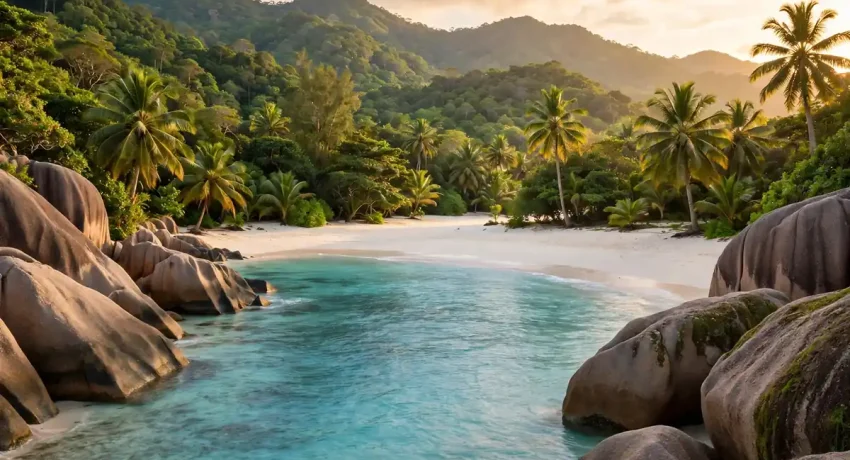

Mahé does not feel like a stopover. It feels like the whole trip. Granite boulders rise straight out of turquoise water. Jungle hills drop down to white sand. A tiny capital city sits at the foot of a cloud-wrapped mountain range. If you are looking for places to visit in Mahé Island Seychelles, this guide covers the twelve best of them, with 2026 prices, transport times, and a working three-day plan.
Mahé is the largest island in the Seychelles. It measures about 27 km long and 8 km wide. Around 80,000 people live here, which is roughly 90 per cent of the whole country. Mahé Island Seychelles beaches range from calm family lagoons to wild surf bays. The international airport sits on the east coast. The capital, Victoria, sits a short drive to the north. Every beach, trail, and restaurant in this guide sits within an hour of the airport.
This is a full Seychelles travel guide 2026 for one island, done properly. You get beaches for swimming and beaches for surfing. A mountain park, a marine park, a rum distillery, and a market that smells of cinnamon and fresh fish all wait in this guide. Nothing here is a thin list. Each place comes with what it costs, how to reach it, and when it is at its best.
Which Part of Mahé Suits You Best?
Mahé rewards travellers who pick the right base. The island is small, but its coasts feel very different. This table matches each kind of traveller to the right corner of the island.
| Traveller | Best base | Why it fits |
|---|---|---|
| First-timers | Beau Vallon | Calm swimming, restaurants, dive shops, sunset views |
| Families | Anse Royale | Reef lagoon, shallow water, shops and cafés nearby |
| Honeymooners | Anse Takamaka | Quiet granite coves, shade trees, slow days |
| Surfers | Anse Intendance | Open ocean swell, wild sand, few crowds |
| Hikers | Victoria | Bus hub for Copolia, Morne Blanc, and the Sans Souci road |
| Snorkellers | Port Launay | Calm bay, marine park water, easy shore entry |
| Budget travellers | Victoria | Cheapest rooms, buses to every coast, market food |
What Makes Beau Vallon Beach Seychelles So Popular?
Beau Vallon is the beach most visitors meet first. It curves for about 3 km along the north-west coast. The sand is pale and wide. The water stays calm for most of the year. Families swim here. Dive boats leave from here. Restaurants and small hotels line the road behind the sand.
Swimming is safe here for most of the year. The bay faces north-west, so it stays calm from April to November. Waves pick up a little during the north-west monsoon, from December to March. Even then, the water stays gentle enough for a relaxed swim. Lifeguards are not always on duty, so watch children near the water.
Beau Vallon is also the only beach on Mahé where motorised water sports are allowed. Jet skis, parasailing, and banana boats all run from this bay. Dive centres sit along the beachfront. They run trips to reef sites off the north coast. Snorkelling from the shore is possible too, though the reef sits further out than at the southern beaches.
Sunset is the main event here. The sun drops behind Silhouette Island across the water. The sky turns gold, then pink, then deep orange. Beach bars fill up an hour before dark. Come early if you want a front-row table. If your idea of a beach holiday is closer to Thailand than to a desert island, our Thailand beaches guide covers another famous Asian beach scene in the same detail.
Mahé Seychelles hotels cluster most thickly around Beau Vallon. You find large resorts, small guesthouses, and self-catering flats within a short walk of the sand. Prices rise in July, August, and December. Book early for those months. Rooms sell out fast.
Getting here is easy. The bus from Victoria takes about 20 to 30 minutes. A taxi takes about 15 minutes. Most visitors base themselves here and day-trip to the rest of the island.
Why Is Anse Intendance Seychelles So Wild?
Anse Intendance sits on the south coast, far from the resorts. A kilometre of white sand runs between jungle hills and open ocean. There is no reef here. Waves roll straight in from the Indian Ocean. The sound of the surf fills the whole bay.
Swimming here needs care. Currents run strong, especially during the south-east trades from May to September. Surfers love those months. Swimmers should stay close to shore and watch the water. If the surf looks rough, enjoy the beach from the sand. Turtles still nest on this beach, so keep lights low at night during nesting season.
The beach belongs to everyone, even though the Banyan Tree resort sits at its northern end. Walk past the resort boundary and the sand opens up. The southern end feels almost empty on weekdays. Bring water and snacks. There are no shops on the beach itself.
Arrive before 10 am if you drive. Parking is limited and the road is narrow. The drive from Victoria takes about 40 minutes. Buses reach the south coast too, but they run less often than the northern routes. A rental car makes this beach far easier to enjoy.
Is Anse Takamaka Seychelles the Prettiest Beach on Mahé?
Anse Takamaka may be the prettiest beach on the island. Granite boulders frame both ends of the bay. Takamaka trees lean over the sand and throw deep shade. The water is turquoise and clear. On a calm morning, the whole scene looks like a postcard.
The beach takes its name from the takamaka trees that line the shore. Some grow over 20 metres tall. Their shade makes this a good beach for a long, slow day. Bring a book and a picnic. The water is usually calm enough for swimming outside the south-east trade season.
Snorkelling is good here when the sea is flat. Reef fish gather around the granite rocks at the edges of the bay. The water stays shallow near the shore. Check the sea before you swim. Waves can build quickly when the wind turns.
Two small restaurants sit just off the beach. They serve Creole fish dishes and cold drinks. Prices are fair for the setting. The beach sits on the south-west coast, about 45 minutes by bus from Victoria. A car makes the trip in about 30 minutes.
Why Do Families Love Anse Royale Seychelles?
Anse Royale sits on the south-east coast. A coral reef protects part of the beach. The reef creates a calm, shallow lagoon. Children paddle here safely. Snorkellers float over coral and reef fish a few metres from the sand.
The beach fronts a small town of the same name. Shops, restaurants, and guesthouses sit a few steps from the sand. You can buy lunch, rent a kayak, and swim in the lagoon without moving the car. That mix of beach and village life makes Anse Royale the easiest family beach on Mahé.
Snorkelling is the main draw for adults. The reef shelters colourful fish, rays, and the occasional turtle. The water stays clearest in the calm transition months of April, May, October, and November. Bring your own mask and fins if you have them. Rental gear is available at nearby shops.
Anse Royale also works as a base for the south coast. Both Anse Takamaka and Anse Intendance sit within a 20-minute drive. The bus from Victoria takes about 45 to 60 minutes. If your family likes warm, reef-sheltered water, our Kerala summer guide covers another tropical coastline with the same gentle feel.
Where Can You Find Mahé’s Hidden Coves?
Mahé hides its best small beaches behind short walks. Two of them deserve a morning each. Both sit on the north-west coast, close to Beau Vallon.
Is Anse Soleil Worth the Short Climb?
Anse Soleil is a small, pretty cove with golden sand and a calm, jade-blue bay. Granite boulders frame the water. The Anse Soleil Café sits right on the sand. It serves seafood lunches with a view of the bay. The beach faces west, so sunsets here are superb.
Swimming is good and the water stays calm for most of the year. Snorkelling is rewarding around the rocks. The cove feels private because only one small property fronts it. Arrive by car or taxi. The bus stops on the main road above the beach, and the walk down is steep.
How Do You Reach Anse Major?
Anse Major is a walk-in beach. No road reaches it. The trail starts at the end of the road past Bel Ombre, north of Beau Vallon. The walk takes about 45 minutes each way. The path climbs over granite slabs and drops through coastal forest.
That effort keeps the beach quiet. You may share it with only a handful of people. The sand is white and the water is clear. Snorkelling is excellent here, and turtles are often seen in the bay. Wear proper shoes for the trail. Carry water. There are no shops at the beach.
Start early in the morning. The trail has little shade. The return climb feels harder in the midday heat. The view back toward Beau Vallon from the high points is worth the sweat.
Is Port Launay the Calmest Water on Mahé?
Port Launay sits on the north-west coast, inside a sheltered bay. The water here is the calmest on the island. Mangroves grow at the back of the beach. Hills rise on both sides. The whole bay feels like a natural harbour.
Families with small children love this beach. The water stays shallow and gentle. Snorkelling is easy from the shore. The Constance Ephelia resort sits behind the beach, but the sand itself is public. A small car park and a snack kiosk serve day visitors.
Baie Ternay Marine National Park sits just around the headland. Dive boats run from Beau Vallon to its reefs. The park protects coral, reef fish, and turtles. If you dive, ask your operator about Baie Ternay. It is one of the quieter dive sites on Mahé.
The drive from Beau Vallon takes about 15 minutes. Buses run along the coast road. Port Launay works well as a half-day trip paired with a sunset back at Beau Vallon.
What Can You See in Victoria Seychelles Capital?
Victoria is one of the smallest capital cities in the world. About 25,000 people live here. You can walk across the centre in twenty minutes. Yet the city holds the island’s markets, museums, temples, and ferry terminal. Every traveller passes through Victoria at least once.
Start at the Sir Selwyn Selwyn-Clarke Market. Fishermen lay out the morning catch on ice. Stalls sell breadfruit, chillies, cinnamon bark, and spice mixes in small plastic bags. The market runs cash only. Saturday mornings are the busiest. Arrive early for the best choice and the liveliest atmosphere.
The clock tower stands a short walk from the market. Locals call it Little Ben. It is a small silver tower modelled on London’s Vauxhall Clock. This little tower marks the centre of the city. The Arul Mihu Navasakthi Vinayagar Hindu Temple sits nearby. Its colourful tower rises above the rooftops. Step inside if it is open. The carvings and colours are worth a few quiet minutes.
Victoria is a working city, not a resort town. Banks, ATMs, and the main bus terminal sit here. Ferries to Praslin and La Digue leave from the jetty. Most travellers spend half a day here, usually on the way to somewhere else. That is enough. The city rewards a slow morning, not a full day. If you enjoy compact harbour cities, our Hong Kong guide covers a much bigger one with the same waterfront energy.
The Seychelles National Botanical Gardens sit on the edge of the city. Entry costs about US$19 per person. The gardens hold coco de mer palms, the famous double coconut that grows only in the Seychelles. Giant tortoises graze on the lawns. The paths are shady and quiet. Allow an hour here.
How Do You Hike Morne Seychellois National Park?
Morne Seychellois National Park covers about a fifth of Mahé. Steep, cloud-wrapped forest fills the centre of the island. The park holds the highest peak in the Seychelles. It also holds the island’s best views. Trails are marked and free to enter. Most routes are short enough to finish before lunch.
Morne Seychellois itself rises to 905 metres. The summit trail is a serious climb through dense forest. Only fit walkers should attempt it. The reward is a view across the whole island and the sea beyond. Start before sunrise if you plan to reach the top.
The Copolia Trail is the most popular walk in the park. It climbs from the Sans Souci road through granite boulders and pitcher plants. The round trip takes about 1.5 to 2.5 hours. The top is a bare granite dome with a view over Victoria and the harbour. Non-residents pay a trail fee of about US$7, so carry cash. Go on a dry morning. The rocks turn slippery after rain.
The Morne Blanc Trail is shorter but very steep. It climbs through misty rainforest to a viewpoint over the west coast. The trailhead sits on the Sans Souci road. Allow about an hour up and forty minutes down. The view from the top is one of the best on the island.
Buses run from Victoria toward Sans Souci. The ride costs under US$1. A taxi to the Copolia trailhead costs about US$25 to 50 one way. Bring plenty of water. There are no shops on the trails. Wear shoes with grip. The forest floor stays damp even in the dry season.
Is Sainte Anne Marine National Park Worth a Day Trip?
Sainte Anne Marine National Park sits just off the north-east coast of Mahé. Six small islands form the park. The boat ride from Victoria takes about 20 minutes. The water is shallow, clear, and full of reef fish. This is the easiest snorkelling day trip on Mahé.
Most tours visit Moyenne Island first. Giant tortoises roam the island freely. A short trail loops through the forest to a viewpoint. The island feels like a private nature reserve. It is small enough to explore in an hour.
After Moyenne, boats anchor over the reef for snorkelling. Fish feeding is part of many tours. Rays, turtles, and reef sharks sometimes appear. The water stays calm in the transition months. A semi-submersible boat lets non-swimmers see the reef without getting wet.
Full-day boat tours cost roughly US$76 to US$165 per person. That usually includes lunch, snorkelling gear, and the Moyenne Island landing fee. Half-day trips cost less. Book a day ahead in peak months. Trips can be cancelled if the weather turns. Morning departures give the calmest water.
The park is one of the Indian Ocean’s first protected marine areas. Coral gardens, seagrass beds, and reef fish all thrive here. If you snorkel only once in the Seychelles, make it this trip.
What Happens at the Takamaka Rum Distillery Seychelles?
The Takamaka Rum Distillery sits at La Plaine St André, in the hills above Au Cap on the east coast. It makes the local rum that every bar in the Seychelles pours. A guided tour explains how sugar cane becomes rum. Tasting is part of the visit.
The estate is old and green. Mango trees shade the courtyard. The distillery building holds copper stills and oak barrels. Guides explain the process in plain language. You taste several rums at the end. The shop sells bottles and branded goods that are hard to find elsewhere.
Rum tasting costs about US$12 per person. The distillery is about a 20-minute drive from Victoria. Buses run along the east coast road, but the stop sits a 15 to 20 minute walk from the estate. A car or taxi is easier. Many island tours include the distillery as a stop.
Pair the visit with the Jardin du Roi Spice Garden nearby. The garden grows cinnamon, vanilla, and nutmeg on a hillside above Anse Royale. The restaurant serves Creole lunch with a view over the bay. Together, the two stops fill a relaxed morning.
Where Is the Best Viewpoint on Mahé?
Mission Lodge sits high in the hills above the west coast. The viewpoint looks down over the whole western shoreline. The sea stretches to the horizon. On a clear day, you can see the islands offshore. Sunset here is spectacular.
The site holds history as well as views. Mission Lodge was once a school for the children of freed slaves. Ruins of the old buildings still stand among the trees. A short path leads to the viewpoint. The walk takes only a few minutes from the car park.
Entry costs about US$8 per person. The lodge sits on the Sans Souci road, the mountain road that crosses the island from Victoria to the west coast. The drive itself is one of the best on Mahé. Hairpin bends climb through forest. Viewpoints appear around every turn.
Visit in the late afternoon. The light turns gold across the hills. The sea below shifts from blue to silver. Bring a light jacket. The hills sit higher than the coast, and the breeze feels cooler up here.
What Is the Wild West Coast of Mahé Like?
The west coast of Mahé is the island’s wild side. Long beaches face the open ocean. The south-east trades hit this coast first. Villages are small and quiet. This is where Mahé feels most like an undiscovered island.
Grand Anse is one of the longest beaches on the island. The sand runs for over a kilometre. Swimming is rough when the trades blow. Surfers come here for the swell. Sunbathers come for the space. The beach sits about 40 minutes by bus from Victoria.
Anse à la Mouche sits further south. The bay is shallow and calm all year. Children swim here safely. The water stays clear and warm. A few guesthouses and a restaurant sit behind the beach. It is a good base for the south-west coast.
Baie Lazare carries a story. The French explorer Lazare Picault claimed Mahé for France here in 1742. Pirate treasure was later found buried near the beach. The bay itself is calm and pretty. A small church and a few houses line the shore. Stop here on a drive around the southern coast.
When Is the Best Time to Visit Mahé Seychelles?
Seychelles stays warm all year. Temperatures sit around 24 to 32°C in every month. The islands sit outside the cyclone belt. There is no truly bad month. The choice is about wind and sea, not temperature.
The best time to visit Mahé Seychelles is April, May, October, and November. These transition months sit between the two monsoon systems. Winds drop. Seas turn calm and clear. Underwater visibility peaks. Crowds stay moderate. Prices sit below the December and July peaks.
| Months | Weather | Sea | Best for |
|---|---|---|---|
| April–May | Warm, settled, light winds | Calm, clear | Snorkelling, diving, beaches |
| June–September | Cooler, drier, windy | Rough on west coast | Hiking, surfing, east-coast swimming |
| October–November | Warm, light winds | Calm, clear | Snorkelling, diving, island hopping |
| December–March | Hot, humid, short showers | Calm on north and west | Diving, west-coast beaches |
The north-west monsoon runs roughly from December to March. It brings warmer, more humid air and short, heavy showers. Rain often falls at night. Days stay sunny between showers. January is the wettest month, with about 18 rain days.
The south-east trades run roughly from May to September. They bring cooler, drier, windier weather. The west coast gets rough seas. The east coast stays calmer. July is the coolest month, with highs around 27°C. March is the warmest, with highs around 31°C and sea temperatures near 30°C.
Shoulder-season prices run about 20 to 30 per cent below peak months. If you travel in February, the sea on the west coast stays calm, though showers are frequent. Our February travel guide covers other warm places to visit in that month.
How Much Does a Mahé Seychelles Trip Cost?
Seychelles is not a cheap destination. The islands import almost everything. Food, fuel, and rooms all cost more than on the mainland. A clear budget helps. These figures are typical ranges for 2026, not fixed prices. Check before you book.
| Style | Daily cost | What it covers |
|---|---|---|
| Budget | US$100–120 | Guesthouse, bus, market food, free beaches |
| Mid-range | US$180–250 | Comfortable guesthouse, rental car some days, restaurants |
| Comfortable | US$280–450 | Resort, car every day, tours, fine dining |
| Luxury | US$600+ | Five-star resort, private tours, boat charters |
The Mahé Seychelles cost breaks down like this. Self-catering guesthouses run about SCR 1,000 to 1,800 (US$70 to 130) a night. Creole takeaway lunches cost about SCR 60 to 100 (US$4 to 7). Restaurant mains run about US$25 to 40. A bus ride costs under US$1. A rental car costs about US$45 to 65 a day. The Seychellois rupee trades at roughly 13 to 14 per US dollar.
Save money by cooking some meals. Guesthouses with kitchens are common. Buy fish and fruit at the Victoria market. Use the bus for short trips and rent a car only for the days you need it. Travel in April, May, October, or November for lower room rates.
Do You Need a Seychelles Visa?
No. Seychelles is visa-free for every nationality. There is no visa to apply for and no visa fee. Every visitor does need a Travel Authorization before flying. Apply online through the official Seychelles Electronic Border System at seychelles.govtas.com. The standard fee is €10. Premium processing costs €30 and takes about six hours. Urgent processing costs €70 and takes about one hour.
Apply only through the official portal. Third-party websites charge inflated fees for the same form. Tourism Seychelles warns travellers about these sites. The official portal is the only one you need.
On arrival, you receive a free Visitor Permit for up to three months. The permit can be extended in three-month blocks, up to a total of twelve months. You need a passport valid for at least six months beyond your departure date. A return or onward ticket, confirmed accommodation, and proof of funds of about US$150 a day are also required. Travel insurance is strongly recommended and may be checked on arrival.
How Do You Get to Mahé and Around the Island?
Most visitors fly into Seychelles International Airport (SEZ) on Mahé. The airport sits on the east coast, about 10 km south of Victoria. A taxi to Victoria costs about SCR 75, or up to SCR 100 at night. Buses run from outside the terminal to Victoria and the north and south coasts.
Many flights connect through the Middle East or Asia. Dubai, Doha, and Abu Dhabi all offer direct flights. Singapore is a common transit hub for travellers from Asia and Australia. If you plan a stopover there, our Singapore airport guide covers what to see near Changi.
The Seychelles public bus Mahé network is the cheapest way to travel. Buses cost about SCR 12 (under US$1) per ride. Pay the driver in cash. Small notes and coins help. Buses run from about 5 am to 8 pm. Victoria to Beau Vallon takes about 20 to 30 minutes. The ride to the south coast takes 45 to 60 minutes. Buses run less often in the evening, so check the timetable before a late return.
Mahé Seychelles car rental gives you real freedom. Small cars cost about €43 to €65 a day. The median price is about €58 a day. You drive on the left. Roads are steep, narrow, and winding in the hills. Fuel costs about SCR 20 to 23 per litre. The minimum rental age is usually 21, though some firms require 25. Book ahead in peak months.
Taxis fill the gaps. Agree the fare before you get in. Meters are rarely used. A short cross-island run often costs SCR 400 or more. The Cat Cocos fast ferry links Mahé and Praslin in about an hour. Tickets cost roughly SCR 900 to 1,100 (US$65 to 80) one way. The ferry takes foot passengers only, so you cannot take a rental car between islands.
What Does a 3-Day Mahé Seychelles Itinerary Look Like?
Three days is enough to see the best of Mahé. This plan mixes beaches, mountains, and the city. It uses Beau Vallon as a base and a rental car on day two. Mahé Seychelles things to do fill every hour of these three days, so the plan stays busy without feeling rushed.
What Does Day 1 Look Like?
Start with a morning swim at Beau Vallon. The water is calmest before the afternoon breeze. Walk the beach, then drive or bus into Victoria for lunch. Spend the afternoon at the market, the clock tower, and the Hindu temple. Finish with a walk through the Botanical Gardens. Return to Beau Vallon for sunset and dinner by the sea.
What Does Day 2 Look Like?
Drive south along the coast road. Stop first at Anse Royale for a snorkel in the lagoon. Continue to Anse Takamaka for a shaded lunch under the trees. Finish at Anse Intendance for the wild surf and the long empty sand. Stop at the Takamaka Rum Distillery on the way back for a tasting. The full loop takes a relaxed day.
What Does Day 3 Look Like?
Start early with the Copolia Trail. The climb takes about two hours return. The view over Victoria is best in the morning light. Drive down to the Victoria jetty for a half-day boat trip to Sainte Anne Marine National Park. Snorkel the reef and visit Moyenne Island. End the day at Mission Lodge for sunset over the west coast.
What Should You Eat on Mahé?
Creole food is the heart of Mahé. It mixes French, African, Indian, and Chinese influences. Fish is the star. Grilled red snapper, octopus curry, and tuna steak appear on almost every menu. Rice, lentils, and breadfruit fill the plate beside them.
Try ladob, a sweet dessert of banana or sweet potato cooked in coconut milk. Grilled fish with a Creole sauce of tomato, onion, and chilli is another must-try. Roadside takeaways sell fish and rice for a few dollars. They are the best value on the island. Restaurants at the resorts cost far more for the same fish.
Takamaka rum appears in cocktails and desserts across the island. The local beer, SeyBrew, is light and cold. Fresh fruit is everywhere. Mangoes, papaya, and starfruit grow in gardens all over Mahé. The Indian influence on Creole cooking is real and delicious, and our Chennai guide covers the South Indian food traditions that shaped it.
Is Mahé Safe for Travellers?
Mahé is a safe destination for most travellers. Violent crime against tourists is low. Victoria is safe to explore on foot during the day. Normal care applies at night, as in any small city. Keep valuables out of sight on the beach. Do not leave bags unattended while you swim.
Solo travellers do well here. Buses are safe and cheap. Guesthouse owners are helpful and know the island. Women travelling alone report feeling comfortable on Mahé, especially in Beau Vallon and Victoria. Our single woman travel guide has practical tips that apply just as well in the Seychelles.
The sea needs more respect than the streets. Currents run strong on open beaches like Anse Intendance and Grand Anse. Swim only where the water looks calm. Watch for warning signs. The sun is fierce near the equator. Use strong sunscreen and drink plenty of water. Mosquitoes bite at dusk, so carry repellent.
Mahé sits outside the cyclone belt, so tropical storms are rare. The main risks are sunburn, strong currents, and slippery trails after rain. If you want a wider view of safe destinations, our safest places outside the US guide ranks the world’s calmest spots for 2026.
Frequently Asked Questions
How many days do you need on Mahé?
Three days cover the best beaches, Victoria, and one mountain trail. Five days let you add Sainte Anne Marine Park, the south coast, and a slower pace. A week lets you combine Mahé with Praslin and La Digue.
Can you visit Mahé without a car?
Yes. Buses reach every beach on this list for under US$1 a ride. They run from about 5 am to 8 pm. A car helps for the south coast and for early starts, but it is not essential.
Is Mahé expensive?
Yes, compared with most tropical destinations. Budget travellers spend about US$100 to 120 a day. Guesthouses with kitchens and bus travel keep costs down. Rooms and food cost more than in Thailand or Sri Lanka.
Which beach is best for swimming?
Beau Vallon is the best all-round swimming beach. Anse Royale is best for families because of its reef lagoon. Port Launay has the calmest water of all. Avoid swimming at Anse Intendance when the surf is up.
When is the cheapest time to visit Mahé?
April, May, October, and November offer the best balance. Rooms cost about 20 to 30 per cent less than in peak months. The sea is calm and the weather is warm.
Do you need a visa for Seychelles?
No visa is needed for any nationality. You do need a Travel Authorization before flying, applied for online at seychelles.govtas.com. The standard fee is €10. A free Visitor Permit is issued on arrival.
Mahé is the Seychelles in miniature. One small island holds granite beaches, jungle mountains, a marine park, a rum distillery, and one of the world’s smallest capitals. The beaches are the reason most people come. The mountains, the market, and the Creole food are the reasons they stay longer than planned. Pick the calm months of April, May, October, or November. Base yourself at Beau Vallon or Anse Royale. Rent a car for a day or two. The island is small, but it rewards travellers who take their time.