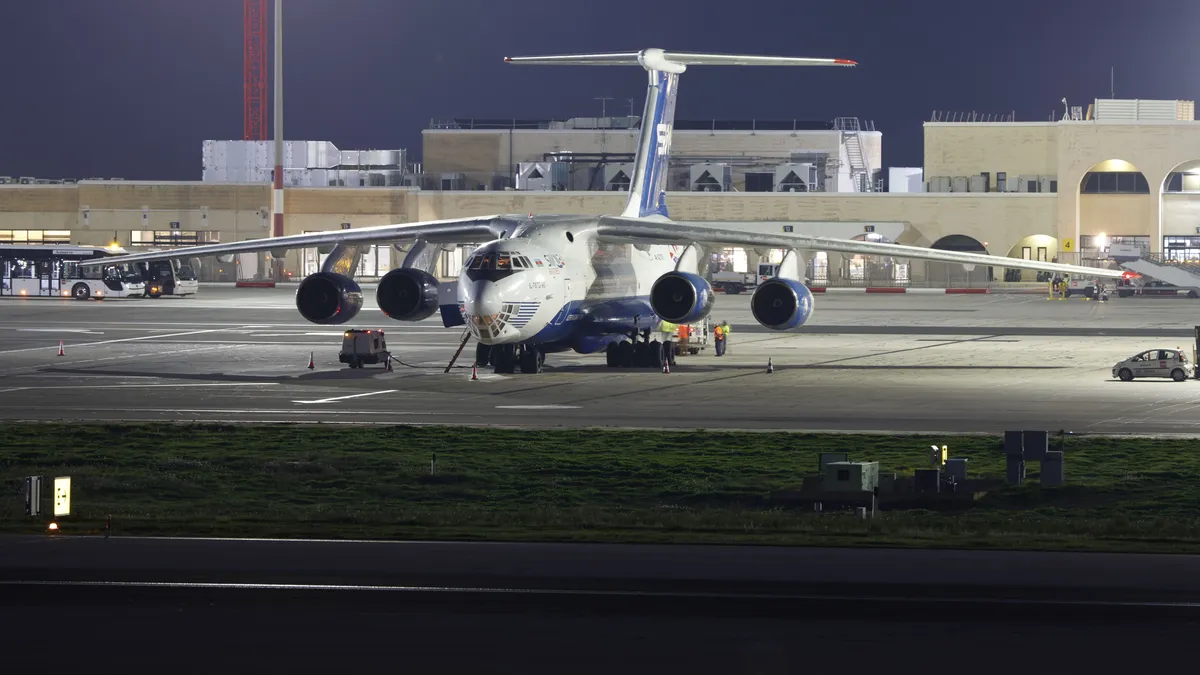

Los Angeles International Airport moves more air cargo than any other airport on the American West Coast. Freight from Asia lands there every day. Some of it goes straight onto trucks bound for warehouses across the western United States. A large share passes through the hands of freight forwarders, and one of the biggest names in that world is SEKO Logistics. Its LAX campus sits a short drive from the airport and the Port of Long Beach. This guide explains what SEKO Logistics LAX actually is, what it does, and how air freight through Los Angeles works in 2026.
What Is SEKO Logistics?
SEKO Logistics is a global freight forwarder and third-party logistics provider. The company started in 1976 as an air and ocean freight forwarder. It has grown into an end-to-end supply chain business. Its headquarters are in Schaumburg, Illinois.
Today SEKO runs more than 150 offices in over 60 countries. Its workforce stood at about 2,090 people in July 2026. Ridgemont Equity Partners became the majority investor in January 2021. Greenbriar Equity Group, which first invested in 2015, kept a minority stake.
| Fact | Detail |
|---|---|
| Founded | 1976, as an air and ocean freight forwarder |
| Headquarters | Schaumburg, Illinois, United States |
| Offices | More than 150 offices in over 60 countries |
| Employees | About 2,090 (July 2026) |
| Majority investor | Ridgemont Equity Partners (since January 2021) |
| Core services | Air freight, ocean freight, ground transport, warehousing, e-commerce fulfilment, customs brokerage, white glove delivery |
| Industries served | E-commerce, retail, automotive, healthcare, high-tech, aerospace and defence |
SEKO does not own aeroplanes or container ships. It buys space from airlines and shipping lines. Then it sells that space to shippers, along with the handling, paperwork and delivery around it. That is what a freight forwarder does. The value sits in the network, the buying power and the local knowledge.
Where Is SEKO Logistics LAX?
The SEKO Logistics Los Angeles international office is listed at 21950 Arnold Center Road, Carson, California 90810. Carson sits between Los Angeles International Airport and the Port of Long Beach. That position is the whole point. Cargo can arrive by air or by sea, and one campus can serve both routes.
In October 2021 SEKO opened the latest facility in its LAX campus. The move pushed its total footprint in Southern California past one million square feet. The new Class A building was the first of two new facilities adding more than 300,000 square feet of warehouse space. The second building was due to open in the first quarter of 2022.
The first building added 189,000 square feet to SEKO’s existing warehouse operations. It has 40 truck doors and a mezzanine floor set aside for e-commerce order picking. Inside are more than 35,000 storage locations and 5,300 racking positions. The second building added a further 110,000 square feet. Together they lifted capacity to 70,000 storage locations and 15,000 racking positions.
Distance matters in logistics. SEKO’s new LAX campus sits about 15 miles from LAX and 8 miles from the Port of Long Beach. A truck can reach either gateway in under an hour in normal traffic. That short hop cuts drayage costs and keeps cargo moving on tight schedules.
James Gagne, SEKO’s president and chief executive, said at the opening that the campus was a core hub for the company. He added that SEKO’s business in the region had doubled in size in the previous 12 months. His phrase for the company was simple: small enough to care, big enough to scale.
Why Does LAX Matter for Global Shipping?
LAX is the main air cargo gateway for the western United States. It links Asia-Pacific trade with the largest consumer market in the country. Freight from China, Japan, South Korea and Southeast Asia lands at LAX every day. From there it fans out to warehouses and stores across the west.
Airports Council International reported about 2.07 million metric tonnes of cargo at LAX in 2025. That was down 4.8 percent from 2024. Even so, LAX ranked sixth among North American airports for cargo. Anchorage led the list with about 3.85 million metric tonnes. Miami handled about 3.13 million. Memphis handled about 2.97 million.
| Airport | 2025 cargo (metric tonnes) | Change vs 2024 |
|---|---|---|
| Anchorage (ANC) | 3,854,614 | +4.2% |
| Miami (MIA) | 3,128,165 | +13.6% |
| Memphis (MEM) | 2,969,502 | -20.9% |
| Los Angeles (LAX) | 2,070,220 | -4.8% |
Volume is only part of the story. LAX also sits beside the busiest container port complex in the United States. The ports of Los Angeles and Long Beach handle a huge share of American imports from Asia. A forwarder with a campus between the airport and the port can switch a shipment from air to ocean, or the other way round, without a long haul in between. That dual access is why Port of Long Beach logistics and LAX air cargo are so often handled from one campus. That flexibility is rare. It is also why Southern California now ranks beside Shanghai and Hong Kong as one of the most important logistics regions in the world, in SEKO’s own words.
For shippers, the practical point is simple. Goods that land at LAX can reach customers across the western United States fast. Sea freight, meanwhile, can be stored, picked and shipped from the same campus. One hub can cover both.
What Services Does SEKO Offer Through LAX?
The LAX campus serves SEKO’s full range of global shipping solutions. It works as a multi-client e-commerce fulfilment centre. The same campus also acts as a hub for freight forwarding, air freight, ocean freight, cross-border shipping USA services and White Glove delivery. On top of that, it manages SEKO’s fast-growing domestic truck distribution network in the United States.
Here is what each part means in plain terms.
How Does Air Freight Work at SEKO LAX?
Air freight is SEKO’s oldest service. The company books space on passenger and cargo aircraft. It consolidates many small shipments into one booking. Then it handles the pickup, the airport handling, the customs paperwork and the final delivery. Shippers get one point of contact for the whole journey.
What About Ocean Freight?
Ocean freight moves larger volumes at lower cost. SEKO offers full container loads and shared container loads. A full container suits one shipper with enough cargo to fill it. A shared container suits smaller shippers who split the space and the cost. Cargo arrives at the Port of Long Beach, clears customs, and moves to the Carson campus for storage or onward delivery.
What Is E-Commerce Fulfilment?
E-commerce fulfilment means storing products, picking orders, packing them and shipping them to customers. The LAX campus has a dedicated mezzanine floor for order picking. That setup suits online retailers who sell into the western United States, and it makes the campus a practical base for the e-commerce fulfilment California brands rely on. Goods can be stored near the port and the airport, then shipped out fast when an order arrives.
What Is White Glove Delivery?
White Glove is a premium delivery service for high-value or fragile goods. It covers careful handling, inside delivery, unpacking and sometimes installation. SEKO runs hundreds of White Glove delivery teams across North America. The service suits medical equipment, fine art, precision instruments and luxury goods.
What Other Services Are Available?
Customs brokerage, reverse logistics and supply chain management are also on offer. SEKO warehousing covers storage, picking and distribution from the Carson campus. Reverse logistics means handling returns. That matters a lot for e-commerce brands. SEKO also runs specialist services for healthcare, including temperature-controlled transport for pharmaceuticals and medical devices. Its client list has included names such as Dell, Virgin Atlantic, Canyon and Reiss, according to industry profiles.
How Does Air Freight Through LAX Actually Work?
Air freight sounds complex. In practice it follows a clear sequence. Each step has a purpose, and a delay at any step can hold the whole shipment.
First comes the booking. The shipper tells the forwarder what the cargo is, how much it weighs, its size and where it needs to go. The forwarder checks airline capacity and quotes a price. Next comes pickup and consolidation. The forwarder collects the goods, checks the paperwork and combines shipments heading the same way.
Then the cargo goes to the airport. It passes through security screening and is loaded onto the aircraft. Airlines fly it to LAX, usually in three to seven days for a standard international air freight shipment. At LAX the cargo is unloaded and moved to a handling facility.
Customs clearance comes next. A licensed customs broker files the entry with US Customs and Border Protection. Duties and taxes are paid. The cargo is released. Finally the forwarder arranges delivery. A truck takes the goods to a warehouse, a store or the end customer. SEKO’s Carson campus sits close enough to the airport to make that last leg short.
One detail catches many first-time shippers by surprise. Airlines charge by chargeable weight. That is the greater of the actual weight and the volumetric weight. Volumetric weight is calculated from the size of the package. A large, light box can cost as much as a small, heavy one. Good packaging matters. Cutting the size of a box by even a tenth can lower the air freight bill.
How Much Does Air Freight Cost in 2026?
Air freight has no fixed price list. Rates move with fuel, season, capacity and the route. Freight forwarder costs are not a single price. They combine transport fees, handling charges, customs duties and service fees. Published air freight rates 2026 reference guides give a useful range for planning. These are directional figures, not quotes. A real quote depends on the exact cargo, route and week.
| Cost component | Air freight (typical 2026 range) |
|---|---|
| Base rate | $2.50–$8.00 per kg |
| Fuel surcharge | $0.30–$1.50 per kg |
| Origin handling | $0.10–$0.30 per kg |
| Destination handling | $0.10–$0.25 per kg |
| Documentation fee | $50–$100 per shipment |
| Customs clearance | $100–$300 per shipment |
| Typical transit time | 3–7 days |
Compare that with ocean freight. A 40-foot container from Shanghai to Los Angeles was assessed at about $7,352 in September 2026, according to the Drewry World Container Index. Ocean transit takes 15 to 35 days. Air freight is four to six times faster than ocean. It is also five to ten times more expensive per kilogram. That trade-off drives every shipping decision.
For small shipments under 100 kilograms, air can be surprisingly competitive. Ocean shared-container loads carry minimum charges and warehouse fees. The longer transit also ties up cash in stock. For urgent or high-value goods, the speed of air freight often justifies the premium. Heavy, low-value goods rarely justify that premium.
Quotes for the same lane can vary by 30 to 60 percent between forwarders. That gap comes from different carrier contracts, surcharge assumptions and service levels. A quote that looks cheap can close out 15 to 30 percent higher than the winning number, once surcharges reset on the invoice. Always ask what is included. Compare at least three quotes before you decide.
Air Freight or Ocean Freight: Which One Should You Choose?
The ocean freight vs air freight choice comes down to four factors: speed, cost, size and risk. No single mode wins on all four. The table below sums up the trade-off.
| Factor | Air freight | Ocean freight |
|---|---|---|
| Transit time | 3–7 days | 15–35 days |
| Cost per kg | High ($2.50–$8.00/kg) | Low (cents per kg in a full container) |
| Best for | Urgent, high-value, perishable or light cargo | Heavy, bulky or regular-volume cargo |
| Capacity limits | Weight and size limits per flight | Containers up to 40 feet |
| Reliability | Frequent departures, tight schedules | Port delays and blank sailings possible |
| Carbon footprint | Much higher per kg | Much lower per kg |
Many shippers use both. A new product launch might fly by air to hit a deadline. The regular restock then comes by sea. A forwarder with both air and ocean capacity at one campus can switch between the two without changing partners. That is the practical advantage of a hub like SEKO’s LAX campus.
Season matters too. Ocean rates often spike 30 to 60 percent in peak season, roughly July to October for Asia to US routes. Booking four to six weeks ahead helps. Air freight has its own peaks around holidays and product launches. Shipping in the quiet months, roughly January to May for Asia to US lanes, usually costs less.
What Changed After the De Minimis Rule Ended?
One change reshaped e-commerce shipping through LAX in 2025. The United States ended its de minimis exemption in August 2025. Before that, low-value shipments could enter duty-free. After the change, those shipments face duties. The effect hit LAX and New York hard, because both airports handle huge volumes of e-commerce parcels.
For online sellers, the old playbook no longer works. The de minimis 2025 change means every parcel now needs proper customs handling. Duties must be calculated and paid. Paperwork must be right. A forwarder that can manage duties at the border is worth more than one that cannot.
SEKO offers a service called DutyPay for this problem. It handles duty payment and customs clearance through its Customs City platform. The platform also covers the Type 86 entry rules that replaced the old de minimis process. Sellers who ship direct to American consumers need this kind of support. Those who ignore it face delays, returned parcels and unhappy customers.
The lesson is broader than one rule change. Trade rules move fast. Tariffs, entry types and documentation requirements can change in a single year. A forwarder with a strong customs team protects a shipper from those shifts. Without one, the shipper stays exposed.
How Do You Choose a Freight Forwarder in Los Angeles?
Los Angeles has no shortage of freight forwarders. Any freight forwarder Los Angeles shippers shortlist should be judged on five factors, not on the lowest quote. Those factors are lane strength, customs licensing, technology, financial stability and service level.
Lane strength means volume on your exact route. Ask how many tonnes a forwarder moves on your lane each month. Find out which airlines and shipping lines it holds contracts with. A forwarder that moves a lot of cargo on your route gets better rates and better access to space. One that rarely touches your route cannot offer either.
Customs licensing matters just as much. A licensed customs broker can clear goods fast and fix problems when they arise. Ask whether the forwarder handles brokerage in-house or outsources it. In-house teams usually respond faster when a shipment is held.
Technology is the third factor. In 2026 most forwarders run their work inside a cloud-based freight management system. Shippers should expect live tracking, digital documents and clear status updates. A forwarder still run on email and spreadsheets will struggle to keep up.
Financial stability is easy to overlook and hard to fix later. A forwarder holds your money and your cargo. Check how long it has traded. Look at its ownership too. SEKO, for example, has traded since 1976 and is backed by a private equity majority investor. That history does not guarantee good service. It does show staying power.
Service level is the last factor. Does the forwarder answer the phone? Will it warn you before a problem, or only after? And does it offer one contact for the whole journey? The cheapest quote often comes from a forwarder that cuts corners on service. The invoice then grows, and the shipment arrives late.
What Should You Ask Before You Book?
A short list of questions can save a shipper a lot of trouble. Ask them before you commit to any forwarder, not after the cargo is already moving.
- What is the all-in price, including every surcharge and destination charge?
- How is chargeable weight calculated for my cargo?
- Which airline or shipping line will carry the goods, and what is the transit time?
- Who handles customs clearance, and what documents do you need from me?
- How are duties and taxes handled, and who pays them?
- What happens if the flight or sailing is delayed or cancelled?
- Can I track the shipment online, and how often is the status updated?
- What insurance is included, and what does it actually cover?
- How do you handle returns or damaged goods?
- Can you give me two or three references from shippers on the same lane?
Good forwarders answer these questions clearly. They put the answers in writing. Vague promises are not a substitute for clear answers. If a forwarder cannot answer, that is an answer in itself.
What Comes Next for SEKO and LAX?
The SEKO LAX campus is now five years old. The two new buildings from 2021 and 2022 are part of a Southern California network of more than one million square feet. The region keeps growing as a logistics hub. Trade with Asia-Pacific still flows through LAX and the ports of Los Angeles and Long Beach.
Several trends will shape the next few years. E-commerce keeps pushing demand for fast fulfilment near big cities. The end of de minimis has raised the bar for customs compliance. Shippers want one partner who can handle air, ocean, warehousing and delivery together. SEKO built its LAX campus for exactly that model.
Sustainability is another trend to watch. Air freight has a far higher carbon footprint per kilogram than ocean freight. Some shippers now ask about sustainable aviation fuel and carbon reporting. SEKO lists sustainable aviation fuel adoption among its initiatives. The details will matter more as buyers and regulators ask harder questions.
None of this makes SEKO the right forwarder for every shipper. A small business shipping one parcel a month may do better with an express courier. A large importer with regular container volumes may want a specialist ocean forwarder. The right choice depends on the cargo, the lane and the budget. What SEKO LAX offers is scale, location and a full service range in one place. For shippers who need all three, it is a serious option.
Frequently Asked Questions
Where Is SEKO Logistics LAX Located?
The SEKO Logistics Los Angeles international office is listed at 21950 Arnold Center Road, Carson, California 90810. The campus sits about 15 miles from Los Angeles International Airport and 8 miles from the Port of Long Beach.
How Big Is SEKO’s LAX Campus?
SEKO’s total footprint in Southern California is more than one million square feet. The LAX campus added two new buildings in 2021 and 2022, with more than 300,000 square feet of warehouse space between them.
What Does SEKO Logistics Do?
SEKO is a global freight forwarder and logistics provider. Its services include air freight, ocean freight, ground transport, warehousing, e-commerce fulfilment, customs brokerage, White Glove delivery and reverse logistics.
How Long Does Air Freight Take to LAX?
Standard international LAX air freight usually takes three to seven days, airport to airport. Total air freight transit time depends on pickup, customs clearance and final delivery. Express services can be faster. Customs clearance LAX teams now process far more low-value entries than they did before the de minimis change.
How Much Does Air Freight Cost in 2026?
Published 2026 reference ranges put base air freight rates at about $2.50 to $8.00 per kilogram, plus fuel and handling surcharges. The real price depends on the route, the cargo and the week. Always get a written quote.
Is Air Freight Better Than Ocean Freight?
It depends on the cargo. Air freight is four to six times faster and five to ten times more expensive per kilogram. It suits urgent, high-value or light goods. Ocean freight suits heavy, bulky or regular-volume shipments where time is less critical.
Sources: SEKO Logistics; Air Cargo Week (October 2021); Airports Council International – North America 2025 rankings; Tracxn company profile (July 2026); Fulfill.com 3PL profile; Suaid Global freight forwarding cost guide 2026; GoFreight ultimate guide to freight forwarders 2026; Drewry World Container Index (September 2026).