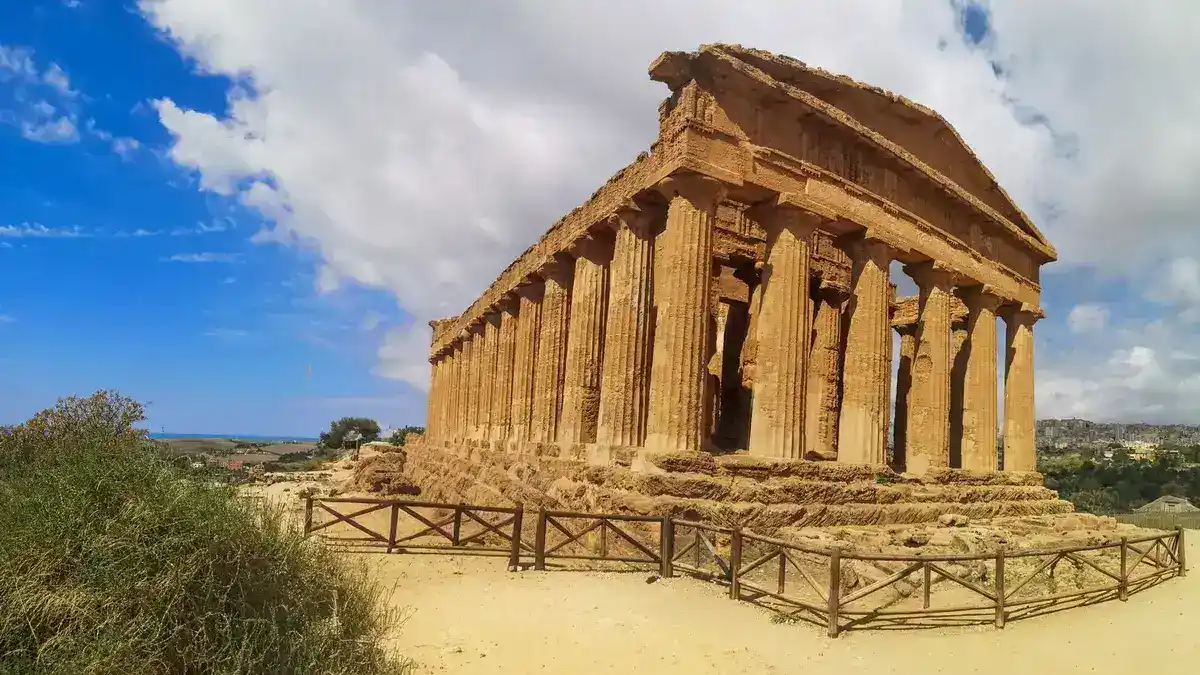
Rajasthan is the India you picture before you ever land there. Forts rise from bare rock. Lakes hold floating palaces. Camels cross dunes at sunset while temple bells ring in pink and blue cities. This is the largest state in India by area, bigger than Germany, and it packs more colour into one trip than most countries manage in a lifetime. So which are the top ten places to visit in Rajasthan in 2026? This Rajasthan travel guide 2026 answers that question with the best places to visit in Rajasthan, verified 2026 ticket prices, the best months to go, a cost table and a working 7-day plan. It covers the classic circuit, Jaipur, Jodhpur, Udaipur and Jaisalmer, plus Pushkar, Ranthambore and four places most first-timers miss. Use it to plan the whole trip, not just to pick a city.
One warning first. Rajasthan rewards slow travel. Jaipur to Jaisalmer is 575 km. Udaipur to Jaisalmer is 475 km. A five-day trip that tries to cover everything spends most of its time on highways. Seven to ten days is the honest minimum for the classic circuit. If you have less time, pick three cities and enjoy them properly. This guide is built around that idea. It also sits among the most interesting places in the world to visit for a reason: no other Indian state combines living forts, desert dunes, lake palaces and tiger country in a single journey.
Which Rajasthan Places Fit Your Trip?
Every traveller wants something different from Rajasthan. Use this table to match your style to the right places before you read the details. It covers all ten of the top ten places to visit in Rajasthan in one view.
| You want | Go here first | Best months |
|---|---|---|
| Royal forts and palaces | Jaipur and Jodhpur | October to March |
| Romance and lakes | Udaipur | October to March |
| Desert nights and camels | Jaisalmer and Sam dunes | November to February |
| Tigers in the wild | Ranthambore | October to April |
| Festivals and colour | Pushkar and Jaipur | November and January |
| Quiet hills and temples | Mount Abu and Kumbhalgarh | September to March |
| A first trip with kids | Jaipur, Udaipur and Jodhpur | November to February |
Why Is Jaipur the Best Place to Start in Rajasthan?
The Jaipur Pink City is the capital, and the natural gateway. Most international flights land in Delhi, and Jaipur sits about five hours by road or four hours by train from the capital. Give it three full days. Anything less means skipping something you will regret.
The star is Amber Fort, 11 km outside the old city. It rises above Maota Lake in honey-coloured sandstone, and the climb through its courtyards is the single best morning in Rajasthan. Jaipur Amber Fort tickets cost ₹200 for Indian adults and ₹1,000 for foreign adults under the revised rates that took effect on 1 January 2026. The fort opens at 8:00 am and closes at 5:30 pm. Arrive at opening. The light is softer, the crowds are thinner, and the heat has not arrived yet.
Back in the old city, the Hawa Mahal is the building on every postcard. Its pink facade holds 953 small windows, built so royal women could watch the street without being seen. The Hawa Mahal entry fee is ₹100 for Indian visitors and ₹600 for foreign visitors under the 2026 revision, and it opens at 9:00 am. Go before 9 am to catch the morning light on the pink sandstone, and photograph the facade from the street for free.
The City Palace is a five-minute walk away. It is still the home of the royal family, and their trust runs the museum. A museum ticket costs about ₹1,200 for foreign visitors. A composite ticket at about ₹1,700 adds Jaigarh Fort and the royal cenotaphs at Gaitore. The Chandra Mahal Royal Tour costs ₹5,000 for foreign visitors and ₹4,000 for Indian visitors. The palace opens daily from 9:30 am to 6:30 pm, except on Dhulandi.
Jaipur has a money-saving trick worth knowing. The government composite ticket covers Amber Fort, Hawa Mahal, Jantar Mantar, Nahargarh Fort and Albert Hall Museum. It costs about ₹550 for Indian adults and ₹1,700 for foreign adults, and it stays valid for two days. A separate Rajasthan 10-day pass costs ₹1,300 for Indian tourists and ₹5,500 for foreign tourists. It covers state monuments across Rajasthan. Buy the Jaipur composite ticket if you stay two days in the city. The 10-day pass only makes sense if your trip covers several cities. Always recheck the live Rajasthan government OBMS portal before you pay, because fees can change.
Jantar Mantar sits two minutes from the City Palace. It is a UNESCO World Heritage observatory with massive stone astronomical instruments built by Jai Singh II in the 18th century. Nahargarh Fort, above the city, is the sunset spot. Albert Hall Museum is the oldest museum in the state. End your Jaipur days in the bazaars. Johari Bazaar sells jewellery, Bapu Bazaar sells textiles, and the blue pottery of Jaipur makes a better souvenir than anything in a hotel shop. January brings the Jaipur Literature Festival, held from 15 to 19 January 2026 at Hotel Clarks Amer. It is the 19th edition, with more than 300 sessions and 500 speakers, and general registration starts at ₹200. Book hotels early if you visit during the festival.
Why Is Jodhpur Called the Blue City?
Jodhpur is the second city of Rajasthan, and it feels completely different from Jaipur. The old city is a sea of blue-painted houses, and Mehrangarh Fort towers over them from a 125-metre rock. Climb to the fort in the late afternoon. The blue city glows gold in the evening light, and the view from the ramparts is one of the best in India.
Mehrangarh Fort Jodhpur entry costs about ₹200 for Indian visitors and ₹600 for foreign visitors, with children below five free. Inside, the museum holds royal palanquins, armour and miniature paintings. Jaswant Thada, a white marble cenotaph beside the fort, is quieter and worth twenty minutes. Umaid Bhawan Palace, still partly a royal residence, has a museum wing. Sadar Market, at the foot of the clock tower, sells spices, textiles and the famous Makhaniya lassi. Give Jodhpur two days. One day covers the fort and the old city. The second day works for a desert excursion, or for walking the Jodhpur Blue City lanes with a camera, which is one of the best free experiences in Rajasthan.
Why Is Udaipur the Most Romantic City in Rajasthan?
Udaipur City of Lakes slows everything down. After the dust of the desert cities, the water feels like a reward. Udaipur City Palace stands on the eastern shore of Lake Pichola, and it is the largest palace complex in Rajasthan. The museum entry costs about ₹450 for Indian adults and ₹1,200 for foreign adults, with a basic complex entry ticket at about ₹50 for the outer areas only. The palace opens from 9:30 am to 5:30 pm. Inside, mirrored halls and painted courtyards look over the lake. The Crystal Gallery, at about ₹550, holds a remarkable collection of crystal furniture and objects.
The Lake Pichola boat ride is the essential Udaipur experience. Daytime boats cost about ₹400 to ₹500 per person for Indian visitors, and sunset boats cost about ₹700. Foreign visitors pay more, with sunset rides around ₹1,000. Boats leave from Rameshwar Ghat and pass Jag Mandir island and the Lake Palace. The Lake Palace is now a luxury hotel, so only registered guests can step inside. Everyone else admires it from the water, which is the better view anyway. A light and sound show runs in the evening, at about ₹150 to ₹250 for the Hindi show and ₹250 to ₹500 for the English show.
Beyond the palace, Udaipur rewards slow days. Jagdish Temple, beside the palace, is free to enter and opens from 5:00 am to 10:00 pm. Saheliyon Ki Bari is a garden of fountains built for royal ladies. Fateh Sagar Lake turns into an evening hangout for locals. Sajjangarh Palace, the Monsoon Palace on the hill, is the sunset viewpoint. Ranakpur, a day trip from Udaipur, holds a Jain temple complex with hundreds of carved marble pillars, each one slightly different. Stay two or three nights in Udaipur. It is the city most travellers wish they had given more time.
Why Is Jaisalmer the Golden City of the Desert?
Jaisalmer Golden City rises from the Thar Desert in golden-yellow sandstone, and it looks like a mirage until you are inside it. The fort is one of the few living forts in the world. People still live within its walls, running shops, guesthouses and temples. It is a UNESCO World Heritage Site. Fort entry costs about ₹50 for Indian visitors and ₹250 for foreign visitors, and it opens from 9:00 am to 5:00 pm. Walk the lanes in the morning, when the stone glows and the crowds are thin.
Patwon ki Haveli, a cluster of five grand merchant houses, costs about ₹20 for Indian visitors and ₹100 for foreign visitors. Salim Singh ki Haveli costs the same. The Jain temples inside the fort are free for Indian visitors and about ₹10 for foreign visitors, open from 8:00 am to noon. Gadisar Lake, at the edge of the old city, is the quiet evening spot. Desert National Park, outside the city, costs about ₹100 for Indian visitors and ₹300 for foreign visitors.
The desert is the real reason to come. Sam Sand Dunes sit about 40 km from the city, and the classic trip is an overnight camp. A camel ride at sunset, dinner under the stars, folk music and dance, then a night in a tent or under the open sky. Typical overnight desert safari packages cost roughly ₹1,500 to ₹4,000 per person, depending on the camp level and what is included. Budget camps cost less, luxury camps cost more. Check exactly what your package includes before you book, because jeep transfers, camel rides and meals are sometimes priced separately. Winter nights in the desert get cold, so pack a warm layer even if the day was hot.
What Makes Pushkar Different From Every Other Rajasthan Town?
Pushkar is small, sacred and strange in the best way. It sits around a holy lake, and it holds the temple of Lord Brahma, often described as the world’s only Brahma temple. The lake has 52 ghats, and pilgrims come to bathe in its waters. The town bans meat and alcohol, and the pace is slower than anywhere else on the circuit. Climb to Savitri Temple at sunset for the view over the lake and the town.
Pushkar changes completely once a year. The Pushkar Camel Fair 2026 runs from 17 to 24 November 2026. Trading happens in the days before the cultural programme, with camel races, camel and horse dances, kabaddi matches between locals and visitors, turban-tying contests and a bride-and-groom competition. The fair ends on the full-moon night, when pilgrims take a dip in Pushkar Lake. It is one of the largest livestock fairs in India, and hotel prices rise sharply during the fair. Book months ahead if you plan to attend. Pushkar sits about 150 km west of Jaipur, an easy stop between Jaipur and Jodhpur.
How Good Is a Ranthambore Tiger Safari in 2026?
Ranthambore is the wild card of Rajasthan. It is a tiger reserve in the Aravalli and Vindhya hills, and it holds about 72 tigers, tigresses and cubs in the 2026 landscape. The park is also home to leopards, sloth bears, crocodiles and more than 270 bird species. The 1,000-year-old Ranthambore Fort stands inside the park, and it is worth a visit on its own.
Safaris run in 6-passenger gypsies and 20-passenger canters. The 2026 core-zone entry fee is ₹215 for Indian citizens and ₹1,575 for non-Indian citizens per person per visit. Buffer zones cost ₹165 and ₹610. A vehicle-entry component of about ₹695 applies per vehicle. Book through the official Rajasthan Forest Department system, and use exactly the same identification details you will carry on safari day. Zones are allocated at booking, and no zone guarantees a tiger. These are wild animals, and territories change constantly. Plan two to four safari drives across two or three nights in Sawai Madhopur, the nearest town and railway station. The best season for comfortable weather is October to March. March to June can produce excellent wildlife viewing, but the heat becomes severe. Mobile phone photography is currently not permitted inside the park, following a Supreme Court order. Bring a real camera if you want photos.
What Is Worth Seeing in Bikaner?
This is the quieter desert city, and that is its charm. Bikaner Junagarh Fort is the centrepiece. It was built between 1589 and 1594 by Raja Rai Singh, and unlike most Rajasthan forts it stands on flat ground rather than a hill. Inside, the palaces are richly painted and far less crowded than Amber or Mehrangarh. The old city around it holds painted havelis in narrow lanes, and the camel research station outside town is a curiosity worth an hour. Karni Mata Temple at Deshnoke, about 30 km away, is the famous rat temple, where thousands of rats are fed and worshipped. It is not for everyone, but it is unforgettable. Give Bikaner one day, ideally on the way between Jodhpur and Jaisalmer.
Why Should You Visit Mount Abu in Rajasthan?
Mount Abu is Rajasthan’s only hill station, and it feels like a different state. The air is cooler, the hills are green, and the pace drops. The Dilwara Jain Temples are the reason to come. Their marble carvings are among the finest in India, cut so finely that the stone looks like lace. Entry is free, and photography is not allowed inside. Nakki Lake is the evening walk, and Guru Shikhar, at 1,722 metres, is the highest point in Rajasthan. The sunset viewpoint there is the best in the Aravallis. Mount Abu works as a two-day break between Udaipur and Jodhpur, especially in summer when the rest of Rajasthan bakes.
Why Is Chittorgarh Fort the Largest Fort in India?
Chittorgarh Fort covers about 700 acres, making it the largest fort complex in India. It is a city in itself, with palaces, temples, towers and reservoirs inside the walls. The Vijay Stambh, the Tower of Victory, was built in 1440 by Rana Kumbha. The Kirti Stambh, the Tower of Fame, is older and dedicated to Jainism. Chittorgarh is a story of sieges and sacrifice, and the fort carries that weight. It sits on the route between Udaipur and Bundi, and half a day is enough to walk the main circuit. Come for the scale and the history rather than the polish of Jaipur’s palaces.
What Makes Kumbhalgarh Fort Special?
Kumbhalgarh is the fort most travellers skip, and that is a mistake. It was built in the 15th century by Rana Kumbha, the same king who built the Vijay Stambh at Chittorgarh. Its wall runs about 36 km through the Aravalli hills, and it is often called the second-longest wall in the world after the Great Wall of China. The fort sits in thick forest, and the climb to the top gives a view over the hills that feels completely wild. It works as a day trip from Udaipur, and it pairs well with a stop at Ranakpur on the way back.
When Is the Best Time to Visit Rajasthan?
October to March is the best time to visit Rajasthan. The top ten places to visit in Rajasthan shine brightest in these months. Days are sunny, nights are cool, and every festival falls in this window. November to February is the peak, with the best weather and the highest hotel prices. Summer, from April to June, is brutally hot, with desert temperatures crossing 45°C. The monsoon, from July to September, brings rain and humidity but also green hills and empty forts. If you travel in summer, plan your sightseeing for early morning and late afternoon. The heat is real, and it shapes everything.
| Month | Weather | What is happening |
|---|---|---|
| October | Warm days, cool nights | Season opens, forts empty |
| November | Pleasant, 25–30°C days | Pushkar Camel Fair, 17–24 Nov 2026 |
| December | Cool, 10–25°C | Peak season, desert nights cold |
| January | Coldest month, fog possible | Jaipur Literature Festival, 15–19 Jan 2026 |
| February | Mild and sunny | Best month overall for most travellers |
| March | Warming up | Holi colours, Ranthambore wildlife active |
| April to June | Hot, 40°C and above | Low prices, empty sights, harsh sun |
| July to September | Monsoon rain and humidity | Green Aravallis, few tourists |
February is the sweet spot for most travellers, and it matches the pattern in our best places to visit in February guide. If you want snow instead of desert sun, the opposite season works in Gulmarg in Kashmir, where January and February bring the best powder. Rajasthan and Kashmir are opposite trips, and that is exactly why they pair so well across a year.
How Much Does a Rajasthan Trip Cost in 2026?
Rajasthan can be a budget trip or a palace trip, and the gap is wide. A comfortable two-week trip with boutique haveli stays and a private car costs roughly US$1,200 to US$1,500 per person. A budget trip costs far less. The table below gives daily ranges per person, excluding international flights.
| Style | Stay per night | Food per day | Transport per day | Total per day |
|---|---|---|---|---|
| Budget | ₹800–1,500 | ₹400–700 | ₹500–1,000 | ₹1,700–3,200 |
| Mid-range | ₹2,500–5,000 | ₹800–1,500 | ₹1,500–3,000 | ₹4,800–9,500 |
| Luxury | ₹8,000–25,000 | ₹2,000–4,000 | ₹3,000–6,000 | ₹13,000–35,000 |
Monument tickets add up across the top ten places to visit in Rajasthan. A foreign visitor who buys single tickets at Amber Fort, Hawa Mahal, City Palace Jaipur, City Palace Udaipur and Mehrangarh Fort spends roughly ₹4,400 on entry alone. The composite tickets cut that sharply. Trains are the cheapest way between cities, and a private car with a driver costs roughly ₹2,500 to ₹4,000 per day. Ranthambore safaris and desert camps are the biggest single extras, so budget for them separately. Street food is safe and delicious if you eat where locals queue. A thali costs about ₹150 to ₹300, and a lassi costs about ₹50 to ₹100.
Which 2026 Festivals Should You Plan Around?
Two festivals define the Rajasthan calendar in 2026. The Jaipur Literature Festival runs from 15 to 19 January 2026 at Hotel Clarks Amer in Jaipur. It is the world’s largest free literary festival, with more than 300 sessions and 500 speakers, and general registration starts at ₹200. The Pushkar Camel Fair runs from 17 to 24 November 2026, with trading in the days before the cultural programme. Both festivals push hotel prices up and fill the best rooms months ahead. Book early if either one is on your dates. If you want colour without the crowds, Holi in March and the Desert Festival in Jaisalmer in February are strong alternatives. Dates for the Desert Festival are announced closer to the time, so check before you book.
How Do You Get Around Rajasthan?
Trains connect the main cities well. Jaipur to Jodhpur takes about five hours by train, and Jaipur to Udaipur takes about seven. Jaisalmer has an overnight train from Delhi and Jaipur. Buses are cheaper and slower. A private car with a driver is the most flexible option, and it costs roughly ₹2,500 to ₹4,000 per day for a sedan. It makes sense for groups of two or more, and for trips that mix cities with desert camps and tiger reserves. Auto-rickshaws handle short city trips, and most cities now have app-based cabs. Fly into Jaipur or Udaipur to start, and fly out of the other one to avoid backtracking. Domestic flights connect Jaipur, Udaipur, Jodhpur and Jaisalmer with Delhi and Mumbai.
What Does a 7-Day Rajasthan Itinerary Look Like?
This Rajasthan itinerary 7 days plan is the classic first-timer route. It covers the four great cities and Pushkar without rushing, and it works in either direction.
What Happens on Day 1 and Day 2 in Jaipur?
Arrive in Jaipur and spend two full days there. Day one covers Amber Fort in the morning, the City Palace and Jantar Mantar in the afternoon, and the bazaars in the evening. On the second day, visit Hawa Mahal, Nahargarh Fort at sunset, and Albert Hall Museum. Buy the government composite ticket on day one.
What Happens on Day 3 in Pushkar?
Drive to Pushkar in the morning, about three hours from Jaipur. Spend the day around the lake and the Brahma Temple, climb to Savitri Temple at sunset, and stay overnight in a lakeside guesthouse.
What Happens on Day 4 in Jodhpur?
Drive to Jodhpur in the morning. Spend the afternoon at Mehrangarh Fort and Jaswant Thada, then walk the blue lanes and Sadar Market in the evening.
What Happens on Day 5 and Day 6 in Jaisalmer?
Drive to Jaisalmer in the morning. Spend the afternoon in the fort and the havelis. On day six, head to Sam Sand Dunes for the camel safari, sunset, dinner and an overnight desert camp.
What Happens on Day 7 in Udaipur?
Drive or fly to Udaipur. Spend the afternoon at the City Palace and take the sunset boat ride on Lake Pichola. If you have more days, add two nights in Udaipur and a Ranthambore safari at the end. Ranthambore sits between Jaipur and the rest of the circuit, so add it after Jaipur if tigers matter to you.
Is Rajasthan Safe for Travellers?
Rajasthan is one of the safer states in India for tourists. The main risks are petty theft in crowded bazaars, touts at railway stations, and the heat. Keep valuables out of sight, agree taxi and rickshaw fares before you get in, and drink bottled water. Women travelling alone should read our guide to the best places to visit for a single woman, which covers safety planning in detail. Dress modestly at temples, remove shoes before entering, and ask before photographing people. The desert and the tiger reserve need respect too. Never walk in the dunes alone at night, and follow your safari guide’s instructions exactly. Rajasthan is welcoming, and a little common sense goes a long way.
Frequently Asked Questions
What is the best time to visit Rajasthan?
October to March is the best time to visit Rajasthan. November to February has the most pleasant weather, and February is the sweet spot for most travellers. Avoid April to June unless you can handle heat above 40°C.
How many days do you need for Rajasthan?
Seven to ten days covers the top ten places to visit in Rajasthan on the classic circuit of Jaipur, Pushkar, Jodhpur, Jaisalmer and Udaipur. Add two more days for Ranthambore, and two more for Mount Abu or Bikaner. Five days is too short for the full circuit.
Which city should you visit first in Rajasthan?
Jaipur is the best first city. It has the best transport links, the most famous forts, and the composite ticket that saves money. Start there and move west to Jodhpur and Jaisalmer, then south to Udaipur.
Is the Jaisalmer desert safari worth it?
Yes, the overnight desert camp is one of the best experiences in Rajasthan. A camel ride at sunset, dinner under the stars and a night in the desert is worth the trip to Jaisalmer on its own. Budget roughly ₹1,500 to ₹4,000 per person, and check what is included before you book.
Can you see tigers at Ranthambore?
You can, but no one can guarantee it. Ranthambore holds about 72 tigers in 2026, and the best odds come from two to four safari drives. Book through the official forest department system, and treat a sighting as a bonus rather than a promise.
Is Rajasthan good for a family trip?
Yes. Jaipur, Udaipur and Jodhpur work well with children, with forts, boat rides and markets to keep them busy. Our Mumbai family guide covers the same style of trip in another Indian city, and the planning lessons transfer directly. If you want a greener summer escape after Rajasthan, Kerala in summer is the natural next trip, and Chennai makes a good southern stop on the same India journey.
The top ten places to visit in Rajasthan are not a checklist. They are experiences that stay with you. The pink walls of Jaipur, the blue lanes of Jodhpur, the lakes of Udaipur and the dunes of Jaisalmer each feel like a different country, yet they sit a few hours apart. Go in winter, travel slowly, buy the composite tickets, and give the desert at least one night. That is the trip. Everything else is detail.