
Acidity in Cooking: Vinegar, Citrus and Balancing Flavours Explained
A squeeze of lemon lifts a rich soup. A splash of vinegar wakes up a salad. A tomato slows the browning of onions. Acidity works quietly in almost every dish. Acidity in cooking is a story of brightening, balancing and tenderising. Acids add a sour note. They cut through fat. They change how other ingredients behave.
This guide explains acidity in cooking explained in plain English. Firstly, you will learn what acids do to flavour. Secondly, you will see how acid tenderises meat and reacts with baking soda. Finally, you will learn how much acid to add and when. In addition, you will find a clear acidic ingredients list to keep in the kitchen.
What Is Acidity in Cooking?
What is acidity in cooking? In simple terms, it is the sour side of flavour. Acids come from vinegar, citrus juice, wine, tomatoes and fermented foods. They lower the pH of a dish. As a result, the food tastes brighter and sharper.
Acids in cooking play five roles. Firstly, they brighten flavour. Secondly, they balance fat and richness. Thirdly, they tenderise meat. Finally, they trigger leavening. In addition, they affect browning. Therefore, acidity is a tool, not just a taste. A cook who understands acid can fix a dull dish in seconds.
The amount matters. For example, a little acid lifts a dish. In contrast, too much acid overwhelms it. As a result, cooks add acid a little at a time. They taste as they go. This habit separates a good cook from a careless one.
How Does Acid Brighten Flavour?
How does acid brighten flavour? The answer lies in contrast. Rich foods taste heavy on their own. A sour note cuts through the heaviness. The palate wakes up. As a result, the other flavours in the dish stand out more clearly.
Think of a creamy soup, for example. It tastes smooth and mild. A squeeze of lemon changes it. The soup suddenly tastes more like itself. Similarly, a fatty stew benefits from a spoonful of vinegar. The acid does not add a new flavour. It sharpens the flavours already there.
Sour flavours explained simply means the tang you taste in lemon, vinegar and yogurt. The tongue reads sourness fast. It grabs attention. In addition, sourness makes the mouth water. This is why a sour bite feels refreshing. The acid resets the palate between bites. For example, a rich meal feels less heavy when a sour side dish sits beside it. The sourness gives the palate a break. As a result, each bite tastes fresh again. This is why many cuisines serve pickles or sour sauces with rich food. The pattern appears everywhere, from a sharp slaw with fried food to a lemon wedge with fish. In short, sourness is the palate cleanser built into the meal itself.
How Does Acid Balance Fat?
How does acid balance fat? Fat coats the tongue. It dulls other flavours. Acid cuts through that coating. It cleans the palate. As a result, the next bite tastes fresh again.
Acid vs fat in cooking is a classic pairing. Rich pork loves apple sauce. Fried fish loves lemon. Creamy pasta loves a tomato sauce. In each case, the acid balances the fat. The dish feels lighter, even though the fat is still there.
Salad dressing shows the same idea. Oil alone tastes flat. Vinegar alone tastes harsh. Together, they balance each other. Acid in salad dressing is the key ingredient. It turns oil into a dressing. Therefore, the ratio matters more than the recipe.
How Does Acid Tenderise Meat?
How does acid tenderise meat? Acids break down proteins on the surface of meat. They unwind the protein strands. The meat softens. As a result, a short marinade can make a tough cut more tender.
However, acid works only on the surface. It cannot reach deep into a thick cut. A long marinade does not help. In fact, too much time in acid can make the outside mushy. Therefore, marinate thin cuts briefly. Thick cuts need a different method.
Cooking with lemon juice shows this well. Fish marinates fast in citrus. The acid firms the outside quickly. In addition, the flavour brightens. However, leave the fish too long and it turns chalky. Timing matters more than quantity.
Wine marinades work the same way. The acid in wine softens the surface. It also adds flavour. As a result, wine suits slow-cooked dishes. The acid mellows during cooking. The flavour stays behind.
Which Acidic Ingredients Should You Know?
Which acidic ingredients should you know? An acidic ingredients list starts with vinegar. White vinegar is sharp and neutral. In addition, apple cider vinegar is fruity. Finally, balsamic vinegar is sweet and dark. Rice vinegar is mild. Each one suits different dishes.
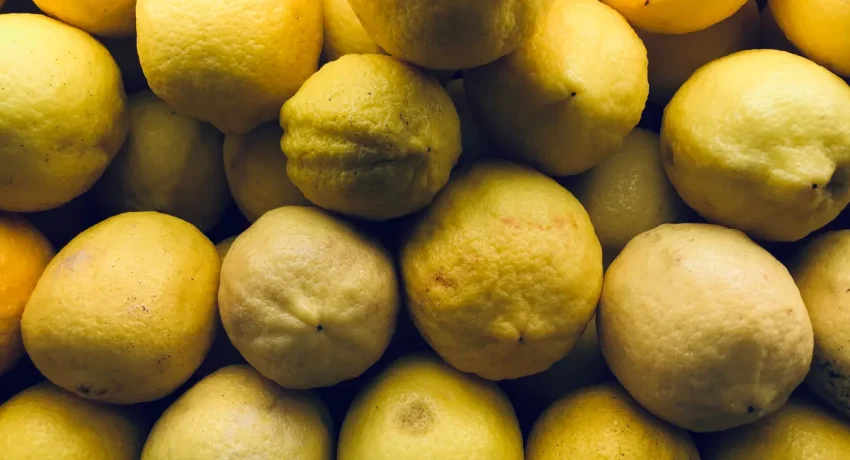
Citrus juice in cooking is the second family. Lemon juice is the workhorse. In contrast, lime juice is sharper and more aromatic. Finally, orange juice is sweeter and milder. In addition, grapefruit juice adds a bitter edge. Therefore, the citrus choice shapes the dish.
Other acids include wine, tomatoes, yogurt and buttermilk. Wine adds acidity and depth. Similarly, tomatoes add acidity and sweetness. Finally, yogurt adds acidity and creaminess. As a result, the kitchen holds many acids. A good cook knows which one to reach for.
How Does Vinegar Work in Cooking?
How does vinegar work in cooking? Vinegar in cooking does three jobs. Firstly, it adds sourness. Secondly, it balances richness. Finally, it preserves food. Pickles rely on vinegar for all three. Salad dressings rely on the first two.
The vinegar type changes the result. White vinegar suits pickles and cleaning. Apple cider vinegar suits dressings and marinades. Balsamic vinegar suits salads and glazes. In addition, rice vinegar suits lighter dishes. Therefore, match the vinegar to the dish.
A little vinegar goes a long way. Therefore, start with a small splash. Then taste the dish. Add more if needed. As a result, you keep control. Too much vinegar is hard to fix. A little extra cream or fat can soften it, but the balance is tricky.
How Does Citrus Juice Work in Cooking?
How does citrus juice work in cooking? Cooking with lemon juice is the clearest example. The juice adds brightness at the end of cooking. It lifts soups, fish and vegetables. In addition, the zest adds aroma without extra sourness. Together, juice and zest give two kinds of lift.
Citrus also stops browning. For instance, cut apples and avocados turn brown in air. Lemon juice slows this down. The acid blocks the browning reaction. As a result, the fruit keeps its colour longer. This trick works in salads and fruit dishes.
However, citrus and milk do not always mix. In fact, acid curdles milk. A lemon sauce can split if the heat is too high. Therefore, add citrus at the end. Keep the heat low. These two habits prevent curdling.
How Does Acid Affect Baking?
How does acid affect baking? Acid and baking soda are partners. Baking soda needs acid to work. The acid triggers the soda to release carbon dioxide. The gas lifts the dough. As a result, the cake rises.
Buttermilk, yogurt and vinegar are common acids in baking. They react with baking soda in the batter. Baking powder already contains its own acid. Therefore, it needs only moisture and heat. The choice between soda and powder depends on the recipe.
Too much acid causes problems. For example, the cake can taste sour. It can also brown too fast. In addition, too little acid leaves the soda unreacted. The cake can taste soapy. Therefore, the balance in a recipe matters. Do not swap soda and powder freely.
How Does Acidity Affect Browning?
How does acidity affect browning? Acidity and browning have a clear link. Acid slows the Maillard reaction. This reaction creates browned flavour in seared and roasted food. A lower pH means slower browning. As a result, acidic foods brown more slowly.
Onions show this well. In fact, onions brown fast on their own. Add tomatoes early and they stay pale longer. The tomato acid slows the browning. In addition, vinegar in a marinade can slow the sear on meat. Therefore, sear first, then add the acid.
This rule helps in the kitchen. Want a deep brown crust? Then keep acid away from the surface. Want gentle colour? Add acid early instead. As a result, the cook controls the browning. The acid is a dial, not just a flavour.
How Much Acid Should You Add?
How much acid should you add? The honest answer is: a little at a time. Start with a teaspoon or a small squeeze. Stir it in. Taste the dish. Then decide. As a result, you build the balance gradually. This habit prevents over-souring.
The question of how much acid to add also depends on the dish. For example, a rich stew needs more acid than a light salad. Meanwhile, a creamy sauce needs a squeeze of lemon. Finally, a fatty roast needs a sharp sauce. Therefore, the dish sets the dose. The cook sets the pace.
If a dish tastes flat, acid is often the fix. If it tastes dull, a squeeze of lemon may help. In addition, if a sauce tastes too rich, a splash of vinegar can lift it. These are the small moves that make cooking feel easy. The acid is the rescue ingredient.
How Does Acid Work With Other Flavours?
How does acid work with other flavours? Acid balances sweet, salty and fatty tastes. For example, a sweet sauce needs a sour note. Similarly, a salty dish needs a bright note. Finally, a rich dish needs a sharp note. As a result, acid is the balancing tool of the kitchen.
Balancing flavours with acid means tasting and adjusting. Add a little acid. Taste again. The dish should feel brighter, not sourer. When the flavours click, stop. In addition, remember that acid fades slightly as food cools. A dish may need a final squeeze before serving.
Cooking with wine acidity follows the same rule. Wine adds acid and flavour at once. A splash in a sauce lifts the whole dish. However, the alcohol cooks off. The acid stays. Therefore, wine is both a flavour and a tool.
Why Is Acid the Cook’s Secret Weapon?
Why is acid the cook’s secret weapon? Because it fixes dishes fast. For example, a dull soup needs lemon. Meanwhile, a heavy stew needs vinegar. Finally, a flat sauce needs wine. The fix takes seconds. As a result, acid is the fastest way to improve a dish.
Acid also adds variety. The same dish tastes different with lemon, vinegar or lime. Each acid brings its own character. In addition, acid works in every cuisine. From a Thai salad to an Italian pasta, acid is there. Therefore, learning acid is learning cooking itself.
Food and travel often meet around sour flavours. A farm stay, for example, serves local vinegar and citrus with its meals. Our guide to agriturismo Italy explains how farm stays work and what food to expect. In addition, old food traditions show how acid shaped whole cuisines. The Inca food recipes guide looks at ancient flavours that still influence cooking today. Takeaway dishes also lean on acid for balance. Our Asian Garden fast food guide covers dishes that changed takeout. For morning meals, the GERD breakfast foods guide looks at breakfast choices. A classic sausage stand often serves pickles and mustard for the same balancing reason. The Ambassador Old Fashioned Wieners guide tells that story. And travellers can taste sour flavours in markets abroad. Our guide to places to visit in Paris for couples covers a city where food markets shine.
How to Start Using Acid Better Today?
How to start using acid better today? Keep three acids in the kitchen. Lemon, white vinegar and apple cider vinegar cover most dishes. Taste before and after adding acid. Notice the change. Then build the habit.
Next, try finishing dishes with acid. Squeeze lemon over soup at the end. Splash vinegar into a stew before serving. Add lime to a salad just before eating. As a result, the brightness stays fresh. The dish tastes alive.
Finally, trust your palate. Once you see how acidity works in cooking, the method feels simple. The right amount of acid makes food taste more like itself. Too much makes it sour. Therefore, add a little, taste, and stop when the flavours click. Acid rewards attention. The cook does the tasting. The acid does the lifting.