
Walk into any well-stocked home bar and you will spot the same short, sturdy tumbler again and again. It holds a neat pour of bourbon, a Negroni, or a classic Old Fashioned. Most people call it a rocks glass. Shops also sell it as an old fashioned glass, a lowball glass, or a whiskey tumbler. Then you meet its bigger relatives: the double old fashioned glass and the rare triple old fashioned glass. Sizes overlap, labels shift from brand to brand, and the names can confuse even keen home bartenders. This guide clears it all up. You will learn what triple old fashioned glasses really are, how they compare with single and double sizes, what to look for before you buy, and which sets lead the field in 2026.
What Is a Triple Old Fashioned Glass?
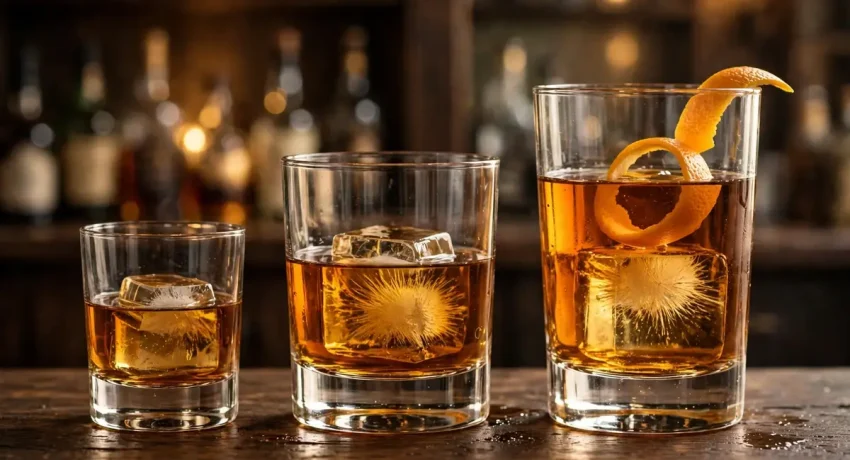
A triple old fashioned glass is the largest size in the old fashioned glass family. It is a short, wide tumbler with a thick base, just like its smaller relatives. The difference is capacity. Where a standard old fashioned glass holds about 6 to 8 ounces, a triple holds roughly 13 to 16 ounces, depending on the maker. That extra room is the whole point. It gives a big drink space to breathe, lets large ice sit comfortably, and leaves room for garnishes that would crowd a smaller glass.
Here is the honest part: “triple” is not a standard size. No industry body defines it. Glassware makers use the label in different ways. Some call a 13.9-ounce tumbler a triple old fashioned glass. Fortessa does exactly that with its Jupiter line, sold at Target. Others use “triple” for taller, wider tumblers that approach Collins glass territory. VinePair describes the triple rocks glass as “essentially a slightly shorter, wider Collins glass” and notes that it exists mainly to host a large cast of ingredients and garnishes without spilling. So the name tells you the glass is the biggest of the rocks family, not an exact ounce figure.
That looseness matters when you shop. Two glasses labelled “triple old fashioned” can differ by several ounces. Always check the listed capacity before you buy. A glass that holds 13 ounces behaves very differently from one that holds 16.
How Big Is a Triple Old Fashioned Glass?
Old fashioned glass size is where the family splits into three clear groups. The numbers below come from the most widely cited guides and from Wikipedia’s old fashioned glass entry. Old fashioned glass ounces on a listing mean brim-full capacity, not the serving size. Makers vary by an ounce or two, so treat these as ranges, not rules.
| Glass size | Typical capacity | Best for |
|---|---|---|
| Single old fashioned | 6 to 8 ounces (180 to 240 ml) | Neat pours, classic Old Fashioned, small ice cubes |
| Double old fashioned (DOF) | 12 to 14 ounces (350 to 415 ml) | Double pours, large ice cubes, cocktails built in the glass |
| Triple old fashioned | About 13 to 16 ounces | Tiki drinks, multi-ingredient cocktails, big garnishes |
Notice the overlap. A generous double and a modest triple can hold almost the same amount. The Fortessa Jupiter triple old fashioned glass, for example, holds 13.9 ounces. That sits squarely inside the double range. What makes it a “triple” is the maker’s naming, not a jump in volume. On the other hand, some triple glasses push toward 16 ounces and feel closer to a small highball. Height gives a clue. Triples tend to be a touch taller and wider than doubles, with a broader mouth for garnishes.
Old books show how the sizes grew. A 1910 bar guide listed old fashioned glasses at 6 ounces. A 1933 guide gave 5 ounces. The cocktail itself was smaller then. The classic recipe called for a two-ounce pour of whiskey. Today, most Old Fashioneds use three ounces, and many home bartenders pour four. Glassware grew to match.
What Is the Difference Between a Single, Double, and Triple Old Fashioned Glass?
Size drives everything else. A single old fashioned glass suits a drink with few parts. You pour two or three ounces of spirit, add sugar and bitters, drop in one large cube, and the glass is full. The short walls keep the drink close to your nose. Aromas reach you quickly. The drink stays cold because one big cube melts slowly.
A double old fashioned glass adds breathing room. It fits a double pour, a two-inch cube or sphere, and still leaves space at the top. Bartenders build drinks directly in it. A Negroni, a whiskey sour on ice, or a Boulevardier all sit well in a double. The extra width also suits stirring. You can move a bar spoon freely without clinking the rim.
A triple old fashioned glass goes further. It swallows a tiki drink with ten or more parts: rum, juices, syrups, crushed ice, mint, fruit, and a garnish that sticks out the top. That is why tiki bars use them. In a home bar, a triple also works for a large smoked Old Fashioned, a drink with a big garnish, or a long cocktail you want to sip slowly over a lot of ice.
There is a trade-off. A triple can make a normal drink look lost. Two ounces of bourbon in a 15-ounce glass looks thin, and the wide surface lets aromas escape faster. Use the smallest glass that fits the drink. That rule keeps every cocktail looking and tasting right.
Are Rocks Glasses and Old Fashioned Glasses the Same Thing?
The rocks glass vs old fashioned glass question comes up in almost every barware guide. The short answer is yes, mostly. “Rocks glass,” “old fashioned glass,” and “lowball” all describe the same short tumbler. The names come from different angles. “Rocks” points to the ice. “Old fashioned” points to the cocktail. “Lowball” points to the low, squat shape. Shops use them interchangeably, and most buyers do too.
One nuance is worth knowing. Some writers draw a line between the two names by size. In that reading, an old fashioned glass is the smaller one, sized for a single cocktail, while a rocks glass is the larger, more versatile tumbler. Wine Enthusiast takes a similar view, putting a standard rocks glass at about 10 ounces and a double rocks glass at 12 to 14 ounces. Other guides treat the terms as exact synonyms. Neither side is wrong. The market never agreed on one rule, so read the capacity on the listing rather than trusting the name alone.
The same looseness applies to “whiskey glass.” That label covers rocks glasses, Glencairn glasses, and snifters. A Glencairn is a tulip-shaped nosing glass with no place for ice. A rocks glass is a tumbler with a heavy base. Both serve whiskey, but they serve it in different ways.
Why Does the Thick Base Matter So Much?
Pick up a good old fashioned glass and the first thing you notice is the weight. Much of it sits in the base. That thick bottom, sometimes called the sham, does three jobs at once.
First, it gives you something solid to muddle against. The Old Fashioned is built in the glass. You press sugar and bitters into the bottom before the whiskey goes in. A thin base would flex or crack under a muddler. A thick one takes the pressure without complaint.
Second, it adds thermal mass. A heavy base holds the cold. If you chill your glasses in a cool cabinet, the base acts like a small heat sink and keeps the drink cold longer. The flip side matters too. A glass fresh from a hot dishwasher holds heat in that same base. It will warm your cocktail from the bottom up. Let hot glasses cool before you pour.
Third, it keeps the glass stable. A wide, heavy base resists tipping. That sounds minor until a guest knocks a full glass across a wooden table. Weight also changes how the glass feels in your hand. Many guides suggest at least 300 to 400 grams per glass for a satisfying heft. Lighter glasses feel cheap by comparison, even when they look the same on a shelf.
What Are Triple Old Fashioned Glasses Actually Used For?
Tiki drinks lead the list. A tiki cocktail glass needs room for crushed ice and a tall garnish. A classic tiki cocktail can hold ten or more ingredients: several rums, fruit juices, syrups, bitters, and spices. Crushed ice fills much of the glass. Then comes the garnish — mint, pineapple, a lime wheel, sometimes a small umbrella. A double old fashioned glass runs out of room. A triple takes it all in stride.
Large-format cocktails are the second use. Some bars serve a smoked Old Fashioned under a glass cloche, with a big cube and an orange peel. The smoke needs headroom. A triple gives it space without crowding the drink.
At home, triples earn their keep in other ways. They hold a generous pour of iced tea or lemonade at a summer gathering. Guests also use them as water glasses at a dinner table. Some people use them for desserts like mousse or a small trifle. The shape is handsome, and the size is forgiving. Just remember that a triple is a specialist. For everyday whiskey, a single or double is the better tool.
What Should You Look for When Choosing an Old Fashioned Glass?
How to choose old fashioned glass comes down to five checks. Start with capacity. Match the glass to the drinks you actually make. If you mostly drink whiskey neat or on a large cube, a 9- or 10-ounce glass is the sweet spot. Riedel’s glassware designer Zane Harris landed on 9.82 ounces for his rocks glass. He worked it out from a simple sum: the drink, plus dilution, plus the space the ice displaces, plus room at the top so the liquid does not touch your nose. If you make Negronis and whiskey sours, step up to a 12- or 13-ounce double. Any whiskey glass for old fashioned drinks should fit a two-inch cube. Only buy a triple if you make tiki drinks or big garnished cocktails often.
Next, check the material. Most glasses fall into two camps. Soda-lime glass is the everyday workhorse. It is tough, cheap, and usually dishwasher-safe. Its drawback is a slight green or blue tint at the rim and thicker walls. Crystal is the premium choice. A crystal old fashioned glass shows the colour of the drink better than soda-lime. Modern lead-free crystal swaps lead for zinc or magnesium, so a lead free crystal rocks glass stays clear without lead. The result is clearer glass with a thinner rim. Brands like Riedel, Spiegelau, and Waterford use lead-free crystal across their barware lines. Crystal shows the colour of the drink better. It also costs more and needs gentler care.
Weight comes third. Hold the glass before you buy if you can. A good rocks glass feels solid. The base should be thick enough to muddle against. Thin walls look delicate, but they chip more easily and feel less secure in the hand.
Rim shape matters more than most buyers expect. A thin, smooth rim lets the drink flow cleanly. A thick, rolled rim feels clumsy against the lip. Cut crystal rims catch the light and look festive. Plain rims suit a modern bar. Neither is better. Pick the style that fits your shelf.
Finally, think about care. Crystal glasses last longest when hand-washed. Dishwasher detergent is abrasive. Over time it etches crystal and leaves a cloudy film that no amount of scrubbing removes. Even glasses labelled dishwasher-safe will cloud eventually. Soda-lime glasses handle the dishwasher well. If you want a set you can toss in the machine every night, choose soda-lime or a crystal set the maker truly rates as dishwasher-safe, and still wash the fine pieces by hand when you have time.
Which Old Fashioned Glasses Are the Best in 2026?
The best old fashioned glasses 2026 roundups agree on a few names. The picks below draw on expert-tested lists from Homes and Gardens, Wine Tasting, and Kitchenware Sets. No single set wins for everyone. The right pick depends on your budget, your drinks, and how much care you want to give the glass.
| Glass | Capacity | Material | Best for |
|---|---|---|---|
| Fortessa Jupiter Triple Old Fashioned | 13.9 oz | Glass | True triple size, textured design, dishwasher-safe |
| KANARS Old Fashioned Whiskey Glasses | 10 oz | Lead-free crystal | Best overall, classic style, heavy base |
| JBHO Hand Blown Crystal Double Old Fashioned | 12 oz | Hand-blown crystal | Best double, room for large ice |
| LUXU Whiskey Glasses | 11 oz | Lead-free crystal | Best value set of six |
| Spiegelau Perfect Serve Double Old Fashioned | 13 oz | Crystal | Bar-cart showpiece, designed with Stephan Hinz |
| Riedel Double Old Fashioned | 13.1 oz | Crystal | Large capacity, elegant profile |
| Waterford Lismore Double Old Fashioned | About 12 oz | Lead-free crystal | Luxury pick, iconic cut pattern |
| Libbey Heavy Base Rocks Glasses | About 10 oz | Glass | Everyday durability on a budget |
| JoyJolt Faye Crystal Whiskey Glasses | 10 oz | Lead-free crystal | Everyday set of six, dishwasher-safe |
The Fortessa Jupiter triple is the only widely sold glass that actually carries the “triple old fashioned” name. Its 13.9-ounce capacity and textured, beaded design make it the honest answer to the question in this article’s title. Target sells a six-pack for $60.99 at the time of writing. Check the price in store, since retail prices change. The same Jupiter line comes in clear, smoke, sage green, and other colours, so a set can match a kitchen or bar palette.
For a classic single, the KANARS set leads most 2026 roundups. It pairs a 10-ounce capacity with lead-free crystal and a heavy base. The set of four arrives in a gift box, which suits buyers who want one purchase to cover the whole bar.
Spiegelau’s Perfect Serve double deserves a note for its pedigree. The German maker worked with award-winning bartender Stephan Hinz on the design. The 13-ounce glass balances clarity, weight, and durability. Homes and Gardens named it their best classic pick for 2026.
At the luxury end, Waterford’s Lismore double carries the cut-crystal pattern the Irish maker is known for. The company traces its roots to a glassworks founded in 1783. The Lismore pattern is one of the most recognised in barware. It costs far more than the everyday sets, and it asks for hand washing in return.
For a budget everyday glass, Libbey’s heavy base rocks glasses are the safe choice. Libbey supplies bars and restaurants across the United States. The glasses are thick, durable, and cheap enough that a broken one is no tragedy. They lack the sparkle of crystal, but they survive daily use and the dishwasher.
How Do You Care for Old Fashioned Glasses?
Old fashioned glass care starts with washing. Hand-wash crystal with warm water and a small drop of mild soap. Dry each glass at once with a microfiber cloth. Air drying leaves water spots, especially in hard-water areas. Never stack rocks glasses. The rims are the fragile part. Stacking puts the weight of the top glass on the walls of the one below. The glasses can crack or lock together through vacuum tension.
Store glasses upright in a cool cabinet. Keep them away from the top of a hot dishwasher or a sunny window. Heat and cold swings stress the glass over time. If a glass does cloud, the damage is usually permanent etching from detergent. No cleaner removes it. Prevention is the only fix.
Soda-lime glasses are more forgiving. They go in the dishwasher, they stack better, and they cost less to replace. Even so, a quick hand wash keeps them clearer for longer. A rinse with warm water right after use stops residue from drying on the walls.
Ice deserves a word too. Large cubes and spheres melt slower than small cubes because they expose less surface to the drink. A large ice cube glass needs a wide mouth, and a two-inch cube fits most doubles and triples. Silicone moulds make them at home for a few dollars. Clear ice, made by freezing water in one direction, looks better and melts slower still. It is a small effort that changes how a drink tastes over twenty minutes.
How Do You Make a Classic Old Fashioned?
The glass is named for the drink, so it is worth knowing the drink. Old fashioned cocktail glass history runs alongside the drink itself. The Old Fashioned is said to have been invented at a gentlemen’s club in Louisville, Kentucky. The recipe is simple on purpose. It lets the whiskey lead.
Put a sugar cube or a bar spoon of sugar in the glass. Add two or three dashes of Angostura bitters and a splash of water. Muddle gently until the sugar dissolves. Add two ounces of bourbon or rye. Drop in one large ice cube. Stir for about twenty seconds. Express an orange peel over the drink, rub it on the rim, and drop it in. Some recipes add a cherry. The classic version skips it.
The glass does real work here. The thick base takes the muddling. The wide mouth lets you stir without spilling. The short walls bring the orange oils to your nose with the first sip. A tall glass would mute all three. That is why the Old Fashioned belongs in the glass that bears its name.
One more tip: chill the glass first. Ten minutes in a cool cabinet, or a few minutes filled with ice water, drops the temperature of the base. The drink stays colder, the ice melts slower, and the whiskey keeps its shape from the first sip to the last.
Frequently Asked Questions
What size is a triple old fashioned glass?
There is no fixed standard. Most glasses sold as triple old fashioned hold about 13 to 16 ounces. The Fortessa Jupiter triple, for example, holds 13.9 ounces. Always check the listed capacity, since makers use the label differently.
Is a triple old fashioned glass the same as a double?
No, but they overlap. A double old fashioned glass holds 12 to 14 ounces. A triple is usually a little taller and wider, and it can reach 16 ounces. Some triples sit inside the double range, so capacity matters more than the name.
Can I use a triple old fashioned glass for a normal Old Fashioned?
You can, but the drink will look small in the glass. The wide surface also lets aromas escape faster. A single or double suits a classic Old Fashioned better. Save the triple for tiki drinks and big garnished cocktails.
Are old fashioned glasses dishwasher-safe?
Soda-lime glasses usually are. Crystal glasses are best hand-washed, even when the box says dishwasher-safe. Detergent etches crystal over time and leaves a permanent cloudy film.
What is the best material for an old fashioned glass?
Lead-free crystal gives the clearest look and the thinnest rim. Soda-lime glass is tougher and cheaper, and it handles the dishwasher. Pick crystal for display and special pours, and soda-lime for everyday use.
How many old fashioned glasses should I own?
An old fashioned glass set of four is a good start for a home bar. It covers a small gathering without crowding the shelf. Buy six if you host often. A set of two doubles plus two singles covers more drinks than four of one size.
Do I need a triple old fashioned glass at all?
Most home bars do not. A single and a double cover nearly every cocktail. Add a triple only if you make tiki drinks, serve large garnished cocktails, or want a bigger glass for iced drinks at the table.
Triple old fashioned glasses sit at the far end of a simple idea. A short, heavy tumbler, sized to the drink inside it, makes every cocktail better. The single suits a neat pour. The double suits a cocktail built in the glass. The triple suits a drink with a dozen parts and a garnish that needs room. Pick the size that matches your drinks, choose lead-free crystal for beauty or soda-lime for daily use, and wash the fine ones by hand. Your bar will look better, and your drinks will taste better, for the small effort.