
How Alliums Work in Cooking: Garlic, Onions and Their Family Explained?
Garlic and onions sit at the start of countless dishes. They sizzle first in the pan. They build the base that sauces, stews and stir-fries rest on. Yet they are more than a starting step. They carry flavour, sweetness and bite of their own. This guide explains how garlic and onions work in cooking, and how their whole family behaves in the kitchen.
Firstly, you will meet the allium family and learn what its members share. Secondly, you will see how onions and garlic each work, from raw bite to roasted sweetness. Finally, you will learn the gentler cousins: shallots, leeks, spring onions and chives. As a result, you will understand alliums in cooking explained as one family, not as two separate ingredients.
Alliums share sulfur compounds that give them their smell and bite. Those compounds change with cutting, heat and time. Raw alliums taste sharp. Cooked alliums taste sweet. In addition, this guide shows how small choices in cutting and cooking shape the flavour you finally taste.
What Are Alliums?
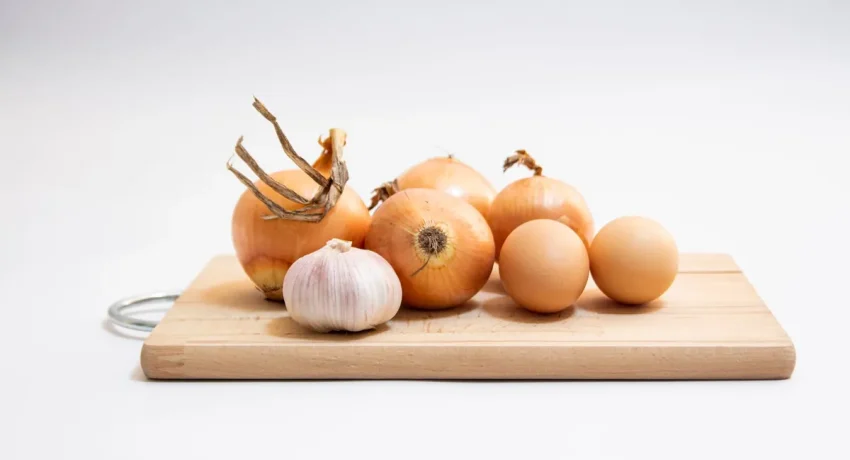
Allium family vegetables include onions, garlic, shallots, leeks, spring onions and chives. They all grow from bulbs or hollow stems. They all hold sulfur compounds in their cells. When you cut them, those compounds meet enzymes and form new flavour chemicals. That reaction gives alliums their famous smell and bite.
Overall, the family splits into two broad groups. Bulb alliums, like onions and garlic, store energy in layered bulbs. Stem alliums, like leeks and spring onions, grow as hollow tubes. Chives sit between the two, with thin hollow leaves. Each member tastes different, yet they share the same chemical base. That shared base is why they suit similar dishes.
Alliums have fed people for a very long time. They keep well in dry storage, grow in many soils, and add flavour to plain grains and beans. A single onion can lift a whole pot. A few garlic cloves can scent a whole dish. Therefore, alliums became the base of cooking in many food traditions.
Moreover, the family divides by strength. Garlic tastes bold and pungent. Onions taste sweet and sharp by turns. Shallots taste mild and refined. Leeks taste gentle and green. Spring onions taste fresh and light. Chives taste delicate and grassy. In short, the family offers a ladder of strength, from the boldest garlic to the softest chive. For another view of simple ingredients, a Chinese restaurant menu decoded shows how cooks describe allium-rich dishes to diners.
How Do Onions Work?
Onions in cooking do three jobs: they build a base, add sweetness and add body. Chopped onion softened in fat starts countless dishes. It gives sauces and stews a sweet, savoury foundation. It melts into the dish and thickens it a little. Without onion, many dishes taste thin and flat.
For instance, onion varieties differ in taste and use. Yellow onions suit most cooking. They turn sweet and golden with time. White onions taste sharper and stay crisper. Red onions taste mild and sweet, and they suit raw dishes and salads. Sweet onions taste gentle and suit caramelising. Each variety fits a different job.
Raw vs cooked onion is a sharp contrast. Raw onion tastes biting and pungent, with a tear-making sting. Cooked onion tastes sweet and mellow, with the bite gone. Heat breaks the sharp compounds down and frees sugars. Time deepens the change. A quick fry keeps some bite. A long, slow cook turns onion sweet and jammy.
In addition, cutting shapes onion flavour too. Fine chopping breaks more cells and releases more sharp compounds. Large chunks break fewer cells and stay milder. Soaking sliced onion in cold water tames its bite for raw dishes. Moreover, the way you cut decides how the onion cooks. Even pieces cook evenly. Uneven pieces burn at the edges while the centres stay raw. As a result, a sharp knife and even cuts are the first skills of onion cooking. For another menu view, a Chinatown restaurant menu guide shows how onion-based dishes sit beside many others.
How Does Garlic Work?
Garlic in cooking adds bold, savoury depth. A little garlic scents a whole pan. Its flavour comes from sulfur compounds that form when you crush or chop it. Whole cloves taste mild. Crushed garlic tastes strong. Minced garlic tastes strongest of all, because crushing breaks the most cells.
For example, garlic varieties differ in flavour and skin. Softneck garlic suits braiding and long storage. It tastes mild and keeps well. Hardneck garlic grows a stiff stem and tastes bolder. It suits cooler climates and peels easily. Elephant garlic tastes very mild, almost like a leek. Each type fits a different dish and a different cook.
Cooking garlic without burning is a core skill. Garlic burns fast because its sugars and solids scorch at high heat. Burnt garlic tastes bitter and can spoil a dish. Keep the heat gentle. Add garlic after onions have softened. Stir often. Take the pan off the heat as soon as the garlic smells fragrant. That smell means it is ready.
In contrast, roasting garlic changes it completely. Whole heads roast slowly in their skins until soft and sweet. The sharp bite fades. The cloves turn creamy and spreadable. Roasted garlic suits breads, sauces and mashed dishes. In addition, roasted garlic keeps well in oil in the fridge, ready to spread or stir into dishes. For travel meals, how to choose a luxury hotel helps plan a comfortable base for food journeys.
How Do Garlic and Onion Flavours Differ?
Garlic vs onion flavour comes down to strength and sweetness. Garlic tastes bold, pungent and savoury. It leads a dish with a sharp, warm note. Onion tastes sweeter and rounder. It supports a dish with a soft, mellow base. Together, they balance each other. Garlic gives edge. Onion gives depth.
Moreover, the two behave differently in the pan. Onion needs time to soften and sweeten. Garlic needs only moments before it burns. That is why cooks start onions first and add garlic later. The onion builds the base. The garlic finishes it. Reversing the order burns the garlic while the onion stays raw.
However, raw, the gap widens. Raw garlic tastes fierce and hot. A small amount can dominate a dressing. Raw onion tastes sharp yet fresher, and it suits salads and salsas. Both need a light hand when raw. A little goes a long way. Moreover, acid in a dressing tames both. Lemon juice or vinegar softens raw bite and lets the fresher notes show.
In slow dishes, the two blend into one base flavour. Long cooking melts onion into sweetness and softens garlic into warmth. The separate notes fade. The dish tastes rich and full. In short, garlic and onion are partners, not rivals. One leads, one supports, and the dish gains from both.
What About Shallots, Leeks, Spring Onions and Chives?
Shallots explained simply means small, mild onions with a refined taste. They look like tiny onions with a copper skin. Their flavour sits between onion and garlic, with a gentle sweetness. They suit dressings and sauces where a harsh onion would dominate. Finely chopped shallot in a dressing adds flavour without bite.
For instance, leeks in cooking bring a gentle, green sweetness. Leeks look like large spring onions with flat leaves. They need a good wash, because grit hides between their layers. Slice them, rinse well, then cook gently in butter or oil. They soften into silk and suit soups, tarts and braised dishes. Their flavour is milder than onion, with a fresh, green note.
Spring onions explained in short means young onions picked before the bulb swells. They hold a small white base and long green tops. Both parts cook, yet they suit different moments. For example, the white base needs a little cooking. The green tops need only a moment, or they can go in raw. They add fresh colour and a light onion taste to finished dishes.
Chives explained simply means thin, hollow leaves with a delicate onion taste. They suit raw use best. Snip them over eggs, salads and soups at the end. Heat fades their flavour fast, so never cook them long. They add colour and a gentle bite without overpowering the dish. As a result, the gentler alliums suit finishing and fresh dishes, while the bold ones suit the base of the pot. For a romantic meal setting, places to visit in Paris for couples often include restaurants where allium bases shape the menu.
How Do You Caramelise Onions?
Caramelised onions are onions cooked slowly until sweet, soft and golden brown. The process takes patience, not high heat. Slice onions evenly. Cook them gently in fat with a little salt. Stir now and then. The onions soften, then turn gold, then deepen to amber. Their sugars brown and their flavour turns rich and jammy.
Moreover, time matters more than heat here. High heat burns the edges before the centres sweeten. Low heat lets the whole batch change evenly. The cook can take a long while, so plan for it. A splash of water helps if the pan dries out. It loosens the browned bits and spreads the colour. Moreover, a little patience at this stage pays off in a deep, sweet result.
Caramelised onions suit many dishes. They top breads and tarts, enrich sauces and stews, and fill sandwiches and savoury pastries. Their sweetness balances salty and fatty foods. A small amount adds a lot. Keep a batch in the fridge for the week, and it will lift many meals.
Similarly, the same slow method works for shallots and leeks, with a shorter time. Garlic caramelises faster and burns easily, so watch it closely. Roasting whole garlic gives a similar sweetness with less risk. In short, slow heat turns sharp alliums sweet, and the change is one of the great tricks of the kitchen.
What Goes Wrong with Alliums?
Alliums go wrong in a few familiar ways, and each one has a clear fix. Burnt garlic often means the heat ran too high or the garlic went in too early. Add garlic late, keep the heat gentle, and stir often. Bitter onion often means the pan ran too hot. Lower the heat and let the onion soften slowly.
For example, raw bite that overwhelms a salad often means the onion needed soaking. Soak sliced onion in cold water for a few minutes, then drain. That tames the sting without losing crunch. Gritty leeks often mean a rushed wash. Slice first, then rinse in plenty of water. Grit hides between layers, so separate them.
Green garlic shoots can taste bitter. Pull the green sprout out of old cloves before cooking. Old onions can sprout too. A sprouted onion still cooks, yet its centre turns soft and its taste sharpens. Use the firm outer layers and compost the sprout. Moreover, store alliums in a cool, dry, airy place. Damp storage brings mould and sprouting fast.
Finally, tears while chopping onions come from the gases the cut releases. A sharp knife helps, because it crushes fewer cells than a blunt one. Chilling the onion before cutting can help too. Good airflow in the kitchen carries the gas away. As a result, sharp tools, cool onions and fresh air make chopping far kinder. For more travel eating, best places in Paris and most popular places in Paris show where allium-rich food meets great dining.
Alliums in Short
Alliums share sulfur compounds that give them smell and bite. Cutting frees those compounds. Heat tames them into sweetness. Onions build the base. Garlic adds bold depth. Shallots, leeks, spring onions and chives offer gentler notes for finishing and fresh dishes.
In short, cut evenly, start onions first, add garlic late, cook gently, roast garlic whole for sweetness, and caramelise onions slowly for depth. Store alliums cool, dry and airy. Once you know the family, every dish gains a stronger base.
So start your next dish with an onion and a clove of garlic. Soften the onion. Add the garlic late. Taste the base before the rest joins it. That base is the quiet heart of the dish, and alliums built it.