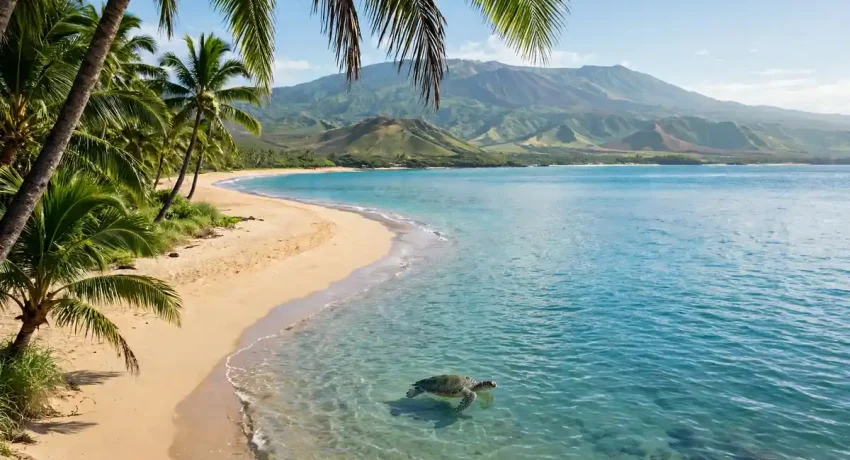

Maui is the easiest Hawaiian island for a family trip. The beaches are calm. The drives are short. Turtles swim close to shore. Whales breach just off the beach in winter. A volcano you can drive to the top of sits in the middle of the island. This guide covers the best places to visit in Maui with kids in 2026, with real prices, booking rules, and age advice for every stop.
Most families base themselves in one spot and take short day trips. That works well here. Ka’anapali, Napili, and Kihei sit close to the best family beaches. Wailea adds luxury resorts with kids’ clubs. Upcountry Maui adds farms and cool air. East Maui adds rainforest and waterfalls. You do not need to see it all. Pick one big activity a day. Leave the afternoons open for the beach, shave ice, or a nap.
A Maui family vacation in 2026 needs a little planning. Three places need advance reservations. Haleakala sunrise needs a $1 booking. Wai’anapanapa State Park needs a timed entry slot. Iao Valley needs a reservation for out-of-state visitors. Book those first. Everything else is walk-in. This guide walks through each one.
Which Maui Spot Fits Your Child’s Age?
Age changes everything on Maui. A toddler needs shade, shallow water, and a short drive. A ten-year-old wants snorkeling and waterfalls. A teen wants surfing and ziplining. Use this table to match each place to your kids.
| Age group | Best first picks | Skip or save for later |
|---|---|---|
| Toddlers, ages 1 to 4 | Maui Ocean Center, Baby Beach, Launiupoko, Kamaole III playground | Molokini boat trips, full Road to Hana |
| Young kids, ages 5 to 8 | Napili Bay snorkeling, Kapalua Bay, Iao Valley walk, butterfly farm | Haleakala sunrise at 3 am, long hikes |
| Older kids, ages 9 to 12 | Molokini snorkeling, Road to Hana waterfalls, surfing lessons, whale watching | None, most of Maui opens up |
| Teens, ages 13 and up | Surfing, ziplining, Haleakala sunrise, snorkel tours, Black Rock jumps | Toddler beaches, they will get bored |
One rule covers every age. Treat beach time as shore time unless the water is calm and an adult is watching the whole time. Maui’s ocean changes fast. A calm morning bay can turn rough by afternoon. Check the daily ocean report before you swim. Lifeguarded beaches add a safety net. The best beaches in Maui for kids are the ones with lifeguards, shade, and bathrooms close by.
Why Is Kaanapali Beach the Best First Beach for Kids?
Kaanapali Beach is the classic Maui family beach. It runs for three miles along the west shore. Big resorts line the sand. A paved beach walk links the hotels, shops, and restaurants. You can walk from your room to the water in minutes. That matters with small kids and beach gear.
The water stays gentle on most mornings. Kids can wade, build sandcastles, and try a first snorkel near the rocks. Older kids rent paddleboards or take a surf lesson. The beach has rentals, food, and shade close at hand. Kaanapali Beach kids love the sheer energy here. There is always something to watch.
Black Rock sits at the north end of the beach. It is a lava point that juts into the sea. Snorkel along its edge in calm morning water and you will see tropical fish and often a turtle. At sunset, a cliff diver lights torches and jumps from the rock. Families gather on the sand to watch. It is free. The dive happens every evening.
Staying here puts you close to everything. Whale watching boats leave from nearby Maalaea Harbor. The Maui Ocean Center sits a short drive south. Lahaina town sits just south too, though it is still rebuilding after the August 2023 wildfires. Base yourselves in Ka’anapali, Napili, or Kihei for now. Check current conditions before you visit Lahaina itself.
Kaanapali works best in the morning. The wind picks up in the afternoon. Arrive early for calm water and easy parking. Bring reef-safe sunscreen. Maui County has banned the sale and use of non-mineral sunscreen since October 2022. Use zinc oxide or titanium dioxide formulas only.
Where Can Kids Snorkel with Turtles at Napili Bay?
Napili Bay is a sheltered crescent of sand on Maui’s northwest coast. It is one of the calmest bays on the island. Turtles often feed close to shore here. That makes it a perfect first snorkel for kids. The water stays shallow near the sand. The reef sits just offshore.
Napili Bay snorkeling kids usually see their first turtle here. Green sea turtles graze on the reef in the morning. They drift past snorkel masks without fear. Teach your kids the rule before you enter the water. Stay at least ten feet from every turtle. Never touch one. It is the law in Hawaii. Keeping your distance also keeps the turtles calm.
The bay stays calm in summer. Winter brings bigger surf, so check conditions in December and January. Mornings are best in every season. Arrive before 9 am for the clearest water and the fewest people. Bring your own gear or rent it from a shop in nearby Kahana. Child-sized masks and fins make a huge difference. Adult gear on a small face leaks and ruins the fun.
Napili has condos right on the sand. Families like the kitchen and the laundry. You can cook breakfast, walk to the beach, and come back for lunch. It feels slower than Ka’anapali. That is the point. If your kids are young, Napili is the gentlest base on the west side. For more ideas on planning a Hawaii family trip, see our Hawaii family travel guide.
Is Kapalua Bay Really the Safest Beach in Maui for Little Ones?
Kapalua Bay is widely considered the safest and most sheltered beach in Maui for young children. The crescent bay blocks the wind and the waves. The water stays flat on most days. Toddlers can wade at the edge. New swimmers can float without fighting a current. Parents can relax a little.
The bay sits between two rocky points. Coral grows close to shore. Fish swim in the shallows. Kids with a mask and snorkel can see them without going deep. The sand is soft and white. Palm trees give shade at the edges. A short coastal trail runs from the bay to D.T. Fleming Beach Park at the other end.
Kapalua Bay family beach days work best in the morning. The bay fills up by midday. Parking is limited, so arrive early or walk from a nearby condo. There are restrooms and showers at the beach park. Bring food and water. The nearest shops sit a short drive away.
D.T. Fleming Beach Park makes a good backup. It sits at the far end of the Kapalua Coastal Trail. A lifeguard watches the beach, and far fewer people go there. The surf runs bigger there, so it suits older kids better. For toddlers, stay at Kapalua Bay itself. Calm water beats an empty beach every time.
What Makes Baby Beach and Launiupoko Perfect for Toddlers?
Baby Beach in Lahaina is the classic toddler beach on Maui. A reef sits just offshore and breaks the waves. The water inside stays shallow and calm. Small kids can splash, wade, and try a first snorkel without a wave knocking them over. Parents can sit on the sand and watch from a few feet away.
Maui with toddlers works best at beaches like this. The water is warm. The sand is soft. The walk from the car is short. Baby Beach has little shade, so bring an umbrella or a pop-up tent. Arrive early for a parking spot. The beach sits near Lahaina town, so check the latest access information before you go. Lahaina is still rebuilding after the 2023 wildfires.
Launiupoko Beach Park sits just south of Lahaina. A natural rock breakwater forms a protected ocean pool. The pool stays calm enough for toddlers and beginner swimmers. It feels like a giant natural swimming pool. Older kids can snorkel outside the rocks when the water is calm. The park has picnic tables, restrooms, and shade trees. It is one of the most family-friendly stops on the west side.
Both beaches are free. Mornings are best at each one. Sun protection and plenty of water are a must at both. Toddlers dehydrate fast in the Hawaiian sun. Bring more water than you think you need. Reapply sunscreen every hour. A rash guard beats sunscreen alone for small kids.
Why Do Families Love the Kamaole Beach Parks in Kihei?
Kihei has three beach parks in a row. Locals call them Kam 1, Kam 2, and Kam 3. They sit close to town, close to condos, and close to food. Each one has a different feel. Together they cover almost every family need.
Kam 1 has the widest sand and the most space. Good snorkeling along the rocks makes Kam 2 a favorite. A playground right next to the beach makes Kam 3 the kids’ pick. Kids can switch between swimming, snorkeling, and playground time without getting in the car. That is rare on Maui. It is why Kihei families come back day after day.
The Kamaole beaches have lifeguards, restrooms, and showers. The water stays gentle on most days. The sand is soft enough for castle building. Food trucks and cafes sit within walking distance. Condos in Kihei cost less than resorts in Ka’anapali or Wailea. Kihei has the best-value condos on the island and lifeguarded beach parks. That combination makes it a smart base for a longer stay.
Kihei sits in central south Maui. The drive to Haleakala takes about an hour. Reaching the Road to Hana takes about two hours. The Maui Ocean Center sits 15 minutes north in Maalaea. That central spot saves driving time every day. For families who want beach days plus day trips, Kihei is hard to beat. If you love beach holidays in general, our guide to the best beach places in the US compares Maui with other top family beaches.
Is the Maui Ocean Center Worth the Ticket Price?
The Maui Ocean Center is Hawaii’s largest aquarium. It sits in Maalaea, next to the harbor. No rainy-day stop on the island beats it. The center is also the best place to teach kids about Hawaiian sea life before they meet it in the ocean.
Maui Ocean Center tickets cost $49.95 for adults ages 13 to 64 when you buy online at least a day ahead. Children ages 4 to 12 pay $39.95. Seniors 65 and older pay $44.95. Kids under 3 enter free. Tickets cost more at the door, so book online. Hawaii residents and active military get lower Kama’aina pricing.
What do you get for that price? The center has 60 interactive exhibits. Only marine life found in Hawaiian waters lives here. The highlight is a walk-through tunnel beneath sharks and rays. Turtles glide overhead. A humpback whale exhibit tells the story of the whales that visit Maui each winter. One of the world’s largest displays of live Pacific corals fills a whole hall.
Plan two to three hours here. The center opens at 9 am and closes at 5 pm. The last entry is at 4 pm. Parking costs $3 per hour through the ParkLinq app. The center does not allow outside food, though exceptions are made for children under 2. Eat before you go or plan lunch in Maalaea after.
Is it worth it? For toddlers and young kids, yes. The tunnel, the touch pools, and the turtle tanks hold their attention. For teens, it depends. Two hours covers everything. Pair it with a whale watching boat or a snorkel trip from the same harbor to make a full day. The Ocean Center sits right next to the boats.
Should You Take Kids to Haleakala for Sunrise or Sunset?
Haleakala is the volcano that forms most of Maui. Its summit sits just over 10,000 feet high. The park covers 30,000 acres. Hawaiians call it the House of the Sun. It is one of the most memorable places to visit in Maui with kids. No other stop needs as much planning.
Haleakala with kids works best at sunset, not sunrise. Sunrise needs a 3 am start. It needs a separate $1 reservation per vehicle, booked on Recreation.gov up to 60 days ahead. Reservations open at 7 am Hawaii time and sell out in minutes for summer dates. A smaller batch opens two days ahead, also at 7 am. The park caps sunrise at 150 vehicles a morning. Without a reservation, you cannot enter between 3 am and 7 am. No tickets are sold at the gate.
Sunset needs no reservation at all. Drive up in the late afternoon. Watch the sun drop into a sea of clouds. Stay for the stars. The sky at 10,000 feet is some of the darkest in Hawaii. Kids who would never survive a 3 am alarm love sunset. Bring warm layers. The summit runs 20 to 30 degrees colder than the beach. Jackets, hats, and closed shoes are a must.
Park entry costs $30 per private vehicle. It covers three consecutive days. The park takes cards only. No cash. Your America the Beautiful pass covers the $30 entry, but not the $1 sunrise reservation. The same three-day pass covers the Kipahulu district on the Road to Hana too.
At the summit, keep it short with young kids. The air is thin. Some kids get headaches or feel tired fast. Walk the short Pa Ka’oao trail for views into the crater. Let older kids hike part of the Sliding Sands trail. Bring water and snacks. There is no food at the summit. The visitor centers have restrooms and rangers who love answering kids’ questions.
How Do You Do the Road to Hana with Kids Without the Meltdown?
The Road to Hana is Maui’s most famous drive. The Hana Highway runs 64 miles from Kahului to Hana. It has more than 600 curves and over 50 narrow bridges. Waterfalls, rainforest, and ocean views fill the whole route. It takes a full day. Done right, kids love it. Get it wrong and the day turns into a long bout of car sickness.
Road to Hana with kids works best as a half trip, not a full loop. Drive to Wai’anapanapa State Park at mile marker 32 and turn back. That covers the best waterfalls, the black sand beach, and the rainforest in about five hours of driving and stops. The full road to Hana town and back takes ten to twelve hours. That is too much for most kids under eight.
Start early. Leave Kihei or Ka’anapali by 7 am. Stop at Twin Falls for a short walk to a waterfall. The Garden of Eden Arboretum offers peacocks and ocean views. Pack snacks, water, and motion sickness tablets. Download an audio guide before you leave. Cell service drops out along the road. Bring cash for fruit stands and food trucks.
Do not swim at waterfalls after rain. Flash floods happen fast in Maui’s valleys. Check conditions at each stop. Keep kids on marked paths. The road is narrow. Pull fully off the road at every stop or skip it. Local drivers use the road every day. Let them pass.
One warning matters most. The back road from Hana around the south side looks like a shortcut on maps. It is not. That road is rough and remote, and rental car companies forbid it. Drive back the way you came. The sunset light on the return drive is beautiful anyway.
What Is the Black Sand Beach at Wai’anapanapa Like for Kids?
Wai’anapanapa State Park holds Maui’s most famous black sand beach. The sand is made of ground-up lava. The waves crash against sea arches and lava tubes. A coastal trail runs along the cliffs. It looks like another planet. Kids love it.
Wai’anapanapa black sand beach kids need a reservation. Non-residents must book entry and parking in advance. No walk-ins are allowed. Reservations open 30 days ahead at midnight Hawaii time. Book at least two weeks ahead in peak season. Morning slots go fast.
Entry costs $5 per person for non-residents. Parking costs $10 per vehicle per time slot. Children 3 and under enter free. Hawaii residents enter free with a valid state ID. The park opens daily from 7 am to 6 pm. Time slots last a few hours. You must arrive within the first 30 minutes of your slot or you may be turned away.
The beach itself is small and rocky. The water is rough. This is not a swimming beach for kids. It is a looking beach. Walk the trail. Peer into the lava caves. Watch the waves explode through the blowhole. Take photos. Then drive on. Two hours here is plenty. Bring shoes. The black sand gets hot and the lava rock is sharp.
Book a late-morning or early-afternoon slot. That fits a mid-morning start from the central valley. It also leaves the morning free for waterfalls on the way. Pair Wai’anapanapa with the Kipahulu district of Haleakala National Park if you drive all the way to Hana. Your $30 Haleakala pass covers Kipahulu too. The Pipiwai Trail there leads to a 400-foot waterfall through a bamboo forest. Older kids love it.
Is the Iao Valley Walk Easy Enough for Kids?
Iao Valley State Monument is Maui’s most sacred valley. A paved walk leads to a lookout over the Iao Needle. The needle is a green rock tower that rises from the valley floor. Lush cliffs surround it on every side. The walk takes about 30 minutes. It is one of the easiest nature stops on Maui.
Iao Valley kids love the short trail and the stream below. The path is paved and mostly flat. Strollers handle it fine. The valley is the site of the Battle of Kepaniwai in 1790. That battle helped unite the Hawaiian islands under King Kamehameha I. Rangers and signs tell the story. It is a good history lesson without a museum.
Out-of-state visitors need an advance reservation. Entry costs $5 per person. Parking costs $10 per vehicle. Children under 3 enter free. Reservations open 30 days ahead. The park opens daily from 7 am to 6 pm. Book ahead in summer. Walk-ins are very limited for non-residents.
The valley gets rain often. Bring a light rain jacket even on a sunny morning. The mist makes the cliffs glow green. It is beautiful. Wear shoes with grip. The paved path gets slippery when wet. Combine Iao Valley with the Maui Tropical Plantation nearby for a half day out of the sun.
Can Kids Snorkel at Molokini Crater?
Molokini is a crescent-shaped volcanic crater off Maui’s south coast. It sits half sunk in the ocean. Inside the crescent, the water is calm and clear. More than 250 species of fish live on the reef. You can see down 75 feet on a good day. It is the best boat snorkeling in Hawaii.
Molokini snorkeling with kids works best on a big catamaran. The boats leave from Maalaea Harbor in the morning. The trip takes about five hours. It includes breakfast, lunch, snorkel gear, and flotation devices. Most boats stop at Molokini first, then at Turtle Town for a second snorkel with green sea turtles.
Prices run about $160 to $235 per adult for a five-hour catamaran morning with meals. Pride of Maui charges $198 for adults 13 and older and $158 for children ages 4 to 12. Infants ride free. Another operator charges $178 per adult, $168 for youth 13 to 17, and $128 for children 4 to 12. Kids 3 and under go free. Check ages before you book. Raft trips from Kihei often set a minimum age of 8. Catamarans take younger kids.
Kids should be comfortable floating face-down in deep water before you book Molokini. The crater water is deep. Flotation vests help. So does an in-water guide. Some boats offer SNUBA for ages 8 and up. That is a mix of snorkeling and scuba. It needs no certification. Book morning trips only. The wind picks up after noon and the water gets rough.
Seasickness ruins the day fast. Give kids motion sickness tablets the night before and again in the morning, if your doctor approves. Sit in the middle of the boat. Look at the horizon. Eat a light breakfast. If the captain switches to an alternate reef for safety, trust the call. The alternate sites are often just as good.
When Is Whale Watching Season in Maui?
Humpback whales visit Maui every winter. They come from Alaska to breed and give birth in the warm water. The season runs from December to April. Peak season is January through March. Some whales arrive as early as November. By May, most have gone north again.
Whale watching Maui kids love is easy here. You can see whales from shore. Stand on a west Maui beach in February and watch for spouts. Mothers and calves swim close to shore. Bring binoculars. The best shore spots sit along the Ka’anapali coast and at McGregor Point near Maalaea.
Boat trips get you closer. Short morning trips run from Maalaea and Lahaina harbors. They cost about $50 to $80 per adult. Kids pay less. Most trips last two hours. Naturalists on board explain whale behavior and help kids spot tails and breaches. Morning trips have calmer water. Book early in your trip. If weather cancels a trip, you still have days to try again.
Whale season overlaps with the best beach weather. February is the peak month for whales. It is also one of the best months to visit Maui with kids. The air stays warm. The rain stays low. The crowds stay smaller than summer. For more winter travel ideas, see our guide to the best places to visit in February.
Teach kids the whale rules. Boats must stay 100 yards from whales. Do not chase them. If a whale approaches the boat, the crew cuts the engine. That is the best moment. A curious calf may swim right up to the hull. Stay quiet. Let the whale decide.
What About a Luau with Kids?
A luau is the classic Maui evening out. Dancers tell Hawaiian stories through hula. Fire knife dancers spin flaming blades. A buffet serves kalua pork, poi, and pineapple. Kids get their own plates and their own prices. Most luaus welcome children with lower ticket prices than adults.
Maui luau with kids works best at a resort luau in Ka’anapali or Wailea. The Old Lahaina Luau reopened in 2024 after the fire. It is the most traditional luau on the island. Tables book out solid two months in advance. If it is on your list, reserve it before you book your flights. Resort luaus are easier to get into and just as fun for kids.
Book a luau for your second or third night, not the first. Kids need a day to shake off jet lag. A luau runs three hours and ends late. Tired kids will not enjoy it. Bring a light jacket. The evening breeze off the ocean gets cool. Arrive early for the best seats and the pre-show crafts. Many luaus let kids try hula and lei making before dinner.
One tip saves money. Some resorts offer a luau package with your room. Ask when you book. The package often beats buying tickets alone. If your kids are picky eaters, check the menu first. Most luaus serve chicken and rice alongside the traditional dishes. No child goes hungry at a luau.
What Else Keeps Kids Happy on Maui?
Maui kid friendly activities go far beyond beaches and boats. Upcountry Maui has farms, gardens, and cool mountain air. A change of scene helps when beach days blur together. Here are the best extras.
The Maui Butterfly Farm suits ages 2 to 10 best. Kids walk among free-flying butterflies in a garden enclosure. Guides teach them about caterpillars and chrysalises. Confirm the current Olowalu location, times, and operating policies before you go. The farm has moved before.
The Surfing Goat Dairy in Kula lets kids meet goats and taste fresh cheese. The farm sits in Upcountry Maui. The drive up the mountain is scenic. The air is cooler. Combine it with the Ali’i Kula Lavender Farm nearby. The lavender fields bloom best in summer. The views stretch all the way to the ocean.
The Maui Tropical Plantation near Wailuku offers a tram tour through fruit fields. Kids see pineapple, mango, and sugarcane growing. The plantation has a cafe, a shop, and a zipline for older kids. It pairs well with Iao Valley. Both sit in the central valley.
The Maui Pineapple Tour takes families into the fields to pick and taste pineapple. It is hands-on and sweet. The Maui Swap Meet runs every Saturday morning in Kahului. It is the largest open-air market on Maui. Kids hunt for souvenirs and snacks. Food trucks sell plate lunches and fresh fruit.
Do not skip shave ice. Ululani’s Hawaiian Shave Ice has several locations around the island. Try the Sunset Beach mix of guava, mango, and passion orange. It is the local favorite. Shave ice is not a snow cone. The ice is fine as powder. The syrup soaks in. One cup costs a few dollars. It is the cheapest joy on Maui.
When Is the Best Time to Visit Maui with Kids?
The best time to visit Maui with kids depends on what you want most. Whales come in winter. Calm water comes in summer. Low prices come in spring and fall. The table below breaks it down by month.
| Months | Weather | Best for | Watch out for |
|---|---|---|---|
| December to April | Warm, 24 to 29°C, some rain | Whale watching, turtles, fewer crowds | Rougher surf on north shores |
| April to June | Dry, 25 to 30°C, light wind | Calm beaches, snorkeling, best overall season | Spring break crowds in April |
| July to August | Hot, 28 to 32°C, dry | School holidays, warmest water | Highest prices, biggest crowds |
| September to November | Warm, 26 to 30°C, calm seas | Low prices, quiet beaches, warm water | Hurricane season tails off in November |
April through June and September through November are the sweet spots for a Maui family vacation 2026. The water stays warm. The beaches stay quiet. Hotel rates drop from summer highs. Whale season peaks in February. If whales are the goal, visit between January and March. For calm snorkeling, visit between May and September. There is no bad month on Maui. Every family just has better months than others.
How Much Does a Maui Family Trip Cost in 2026?
Maui is not a cheap trip. Hotels run $300 to $550 a night. Activities add up fast. A Maui family trip cost plan helps you avoid sticker shock. The table below uses verified 2026 prices for a family of four with two kids ages 4 to 12.
| Item | Typical cost | Notes |
|---|---|---|
| Hotel or condo, per night | $300 to $550 | Condos with kitchens save on food |
| Maui Ocean Center, family of 4 | About $180 | 2 adults $49.95 + 2 kids $39.95, online |
| Molokini snorkel tour, family of 4 | About $712 | Pride of Maui, 2 adults + 2 kids, meals included |
| Whale watching, per adult | $50 to $80 | Kids pay less, 2-hour trips |
| Haleakala entry, per vehicle | $30 | Valid 3 days, card only |
| State parks, per person | $5 + $10 parking | Wai’anapanapa and Iao Valley, non-residents |
| Beaches | Free | Most beaches have no entry fee |
A rough planning range for five nights, excluding flights and rental car, runs about $3,000 to $5,250 for a family of four. That covers a mid-range condo, food, and two or three paid activities. Flights and rental cars swing the total widely. Book both early. Rental cars sell out on Maui in peak season. Check all prices before you book. Rates change by season and by operator.
Save money where it counts. Cook breakfast in a condo kitchen. Eat plate lunches from food trucks instead of resort dinners. Pick free beaches over paid tours most days. Book the Ocean Center online a day ahead. Skip the luau if the budget is tight. The sunset cliff dive at Black Rock is free and kids remember it just as well. For more beach trip budgeting ideas, see our Florida beaches family guide and our Thailand beaches guide.
What Does a 3-Day Maui Family Itinerary Look Like?
Three days is short for Maui. Five to seven days is better. But three good days beat five rushed ones. This plan keeps one big activity per day. It leaves afternoons open for the beach.
Day one starts at Ka’anapali Beach. Swim in the morning. Snorkel at Black Rock. Eat lunch at a beachfront cafe. Rest in the afternoon. Walk the beach path at sunset. Watch the cliff diver light the torches. Eat an early dinner. Sleep early. Jet lag is real.
Day two starts at the Maui Ocean Center. Arrive at 9 am when it opens. Spend two hours inside. Drive to Maalaea Harbor for a whale watching trip if it is winter. If it is summer, take a Molokini snorkel tour instead. Both leave from the same harbor. Eat shave ice on the way back. Spend the evening at a Kihei beach park.
Day three starts at Haleakala for sunset, not sunrise. Sleep in. Visit the Maui Tropical Plantation in the morning. Drive to Iao Valley for the paved walk. Eat lunch in Wailuku. Drive up Haleakala in the late afternoon. Watch the sunset above the clouds. Stay for the stars. Drive down slowly. The road is dark and winding.
Add a fourth day for the Road to Hana if your kids are older than eight. A fifth day fits a luau and a slow beach morning. The best Maui trips leave gaps. Kids need downtime. Parents need it too.
Where Should Families Stay on Maui?
Your base shapes the whole trip. Each area has a different feel. Pick the one that matches your kids’ ages and your budget.
Ka’anapali suits first-timers. Big resorts sit on one long sandy beach. A paved beach path links the hotels. A free trolley runs between them. Resort pools keep kids busy on windy afternoons. Restaurants sit within walking distance. It costs more. Less driving is the payoff.
Napili and Kahana suit families with young kids. Condos sit on calm bays. Kitchens and laundry make life easier. The pace is slower. The beaches are gentler. Prices run lower than Ka’anapali resorts.
Kihei suits budget-conscious families. Condos cost less. Lifeguarded beach parks sit close by. Food trucks and cafes line the main road. The central location cuts driving time to Haleakala and the Road to Hana. For a spring trip, our US spring travel guide covers the best months to visit Maui and other warm destinations.
Wailea suits luxury families. World-class resorts have kids’ clubs and big pools. The beaches are calm and protected. Dining is excellent. Prices are the highest on the island. Hana suits adventurous families with older kids. It is remote, lush, and quiet. The drive is long. The reward is rainforest and waterfalls with no crowds.
How Do You Keep Kids Safe in the Maui Ocean?
Maui’s ocean is beautiful and powerful. Respect it. Most accidents happen when visitors ignore warnings. A few rules keep kids safe.
Swim only at lifeguarded beaches when you can. Check the daily ocean report before you enter the water. Never turn your back on the ocean. Waves arrive in sets. A calm minute can hide a big wave. Keep kids within arm’s reach in the water. Do not let them swim alone.
Stay ten feet from turtles and monk seals. It is the law. Keeping your distance also protects the animals. Never touch coral. It is alive and sharp. Wear reef-safe sunscreen. Maui County has banned non-mineral sunscreen since October 2022. Use zinc oxide or titanium dioxide. Rash guards add protection without chemicals.
Teach kids what to do in a rip current. Stay calm. Do not fight it. Float and wave for help. Swim parallel to shore to escape it. Most Maui beaches have mild currents, but they still happen. If a beach has warning signs, obey them. When the lifeguard says no swimming, do not swim.
Drink water all day. The Hawaiian sun is strong. Kids dehydrate fast. Bring more water than you think you need. Reapply sunscreen every hour. Wear hats. Take shade breaks. Sunburn ruins the next day. For general family travel safety tips, see our guide to the safest places to visit outside the US and our solo travel safety guide.
What Should Kids Eat on Maui?
Maui food is casual and kid-friendly. Plate lunches are the local staple. Rice, macaroni salad, and grilled meat or fish fill one plate. Food trucks sell them for a few dollars. Kids love the simplicity. Parents love the price.
Start with shave ice at Ululani’s. Then try malasadas, the Portuguese doughnuts, at a local bakery. Fresh pineapple from a roadside stand is next on the list. The fruit tastes nothing like the pineapple back home. Try poke bowls for older kids. The raw fish is fresh and mild. Skip it for toddlers.
Most resorts have kids’ menus. Cafes serve pancakes and eggs in the morning. Grocery stores in Kihei and Kahului stock everything you need for condo cooking. Buy snacks, fruit, and water in bulk. A cooler in the car saves money and meltdowns. Bring the cooler to the beach every day.
Frequently Asked Questions
What is the best age to take kids to Maui?
Every age works, but the trip changes with age. Toddlers love the calm beaches and the Ocean Center. Kids ages 5 to 8 love snorkeling and waterfalls. At 9 to 12, Molokini and the Road to Hana take over. Teens love surfing and Haleakala sunrise. The best age for a first Maui trip is 5 to 10, when kids can swim, walk, and remember it.
How many days do you need in Maui with kids?
Plan at least five to seven days if you can. That gives you time for a few tours, different beaches, the Road to Hana, and rest days. Three days covers the highlights. Two days is too short. The flight is long. Give the trip room to breathe.
Do kids need reservations for Maui attractions?
Three places need advance reservations. Haleakala sunrise needs a $1 booking on Recreation.gov. Wai’anapanapa State Park needs a timed entry slot booked 30 days ahead. Iao Valley needs a reservation for out-of-state visitors. Book those first. Everything else is walk-in.
Is Maui safe for toddlers?
Yes, with the right beaches. Kapalua Bay, Baby Beach, and Launiupoko have calm, shallow water. The Maui Ocean Center and the butterfly farm suit toddlers well. Keep toddlers in the shade. Bring a stroller for walks. Avoid Molokini boat trips and the full Road to Hana with children under four.
What is the cheapest way to enjoy Maui with kids?
Beaches are free. Hikes are free. Turtle watching at Ho’okipa is free. The Black Rock cliff dive is free. Cook in a condo kitchen. Eat food truck plate lunches. Pick one or two paid activities, like the Ocean Center or a whale watching trip. Skip the rest. The beach is the main event.
Can you see whales from shore in Maui?
Yes. From December to April, humpback whales swim close to the west Maui shore. Stand on Ka’anapali Beach or at McGregor Point near Maalaea in February. Watch for spouts and tails. Bring binoculars. Mothers and calves come closest to shore. Morning is best for calm water and clear views.
Maui with kids is a trip children remember for years. The turtles, the whales, the black sand, and the volcano above the clouds stay with them. Plan the reservations early. Pick one big activity a day. Leave the rest open. The beach will fill the gaps. That is the secret to a Maui family trip. Slow down. Let the island do the work.