
Places to Visit in Japan Tokyo for Anime Fans in 2026
Tokyo is the one city where anime stops being something you watch on a screen. It becomes streets you walk, shops you browse for hours, and museums that feel like stepping inside a film. This guide covers the places to visit in Tokyo for anime fans in 2026, with real prices, real opening hours, and real booking rules checked this season. Nothing here is guesswork. Every price and date below comes from an official page or a guide that checked one.
Most Tokyo anime guides are thin listicles. They name five districts and stop. This one is different. These Tokyo anime places cover the whole city, and these anime places in Tokyo include shops, museums, and events. You get 12 places to visit in Tokyo for anime fans, a fan-type matcher, a best-months table, a 2026 event calendar, a cost table, and a working 3-day itinerary. Use it to plan the whole trip, not just the first afternoon.
Why is Tokyo the best city in the world for anime fans?
Three anime shopping districts sit within about 25 minutes of Tokyo Station by train. Akihabara sells new goods. Nakano Broadway sells rare secondhand pieces. Ikebukuro sells to a different crowd entirely. No other city packs that much into one metro card.
Three anime museums in Tokyo charge nothing to enter. The Ghibli Museum costs only ¥1,000 for adults, which is less than a bowl of ramen in some parts of town. And the big fan events draw crowds of 100,000 or more. Comiket alone drew 130,000 people a day in August 2026.
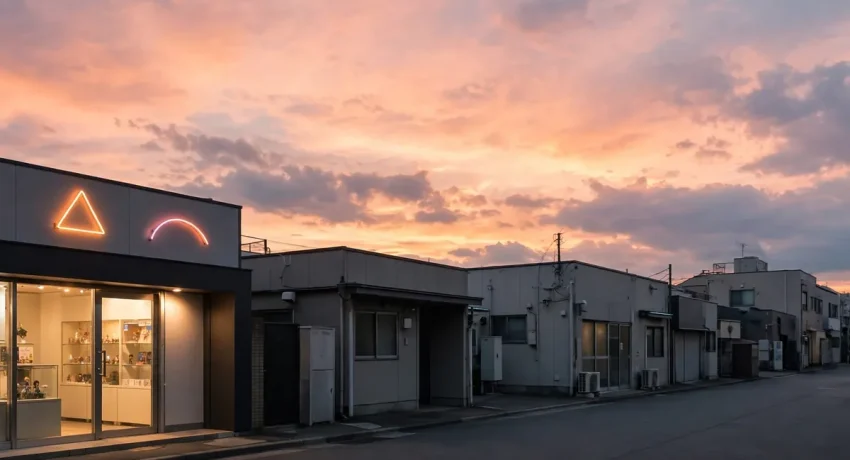
Tokyo also rewards fans who do nothing but walk. The streets of Akihabara glow at dusk. The side streets of Nakano feel like a collector’s attic. Even the train stations sell character goods. You do not need a ticket for most of this trip. Time, comfortable shoes, and a plan are all you need.
Which Tokyo anime place matches your kind of fandom?
Not every anime fan wants the same trip. Some hunt rare figures. Others want the biggest shop on Earth. A third group travels with kids. Match yourself first, then read the sections that fit.
| Fan type | Start here | Why it fits |
|---|---|---|
| First-timer | Akihabara | Everything is in one district, and most shops open by 10:00 |
| Figure collector | Nakano Broadway | Rare and vintage pieces, often cheaper than Akihabara |
| Female fan, BL and doujinshi | Otome Road, Ikebukuro | Shops built for this fandom, plus the Animate flagship |
| Ghibli lover | Ghibli Museum, Mitaka | The one museum every fan should book a month ahead |
| Pokémon fan | Sunshine City, Ikebukuro | The largest Pokémon store in Japan, plus 3,000 gashapon machines |
| Family with kids | Shibuya PARCO and Small Worlds | Official brand shops and a miniature world kids love |
| Budget traveller | Free museums and districts | Three museums cost nothing, and the districts are free to walk |
When is the best time to visit Tokyo for anime fans?
The best time to visit Tokyo anime districts is March to April or October to November. The weather is mild, the skies are clear, and the big events cluster in spring and winter. AnimeJapan runs in late March. Comiket runs in mid-August and at the end of December. Jump Festa runs in mid-December.
Summer is hot and humid, but it has its own draw: Summer Comiket in August. If you are visiting in the warmer months, our Tokyo summer guide covers what the season does to the city, from heat to festivals. Winter is cold but bright, and the December double of Jump Festa and Winter Comiket makes it the busiest fortnight of the fan year.
February is the quietest month. Shops are calm, hotel prices dip, and you can browse without crowds. If you travel in February, our February guide has ideas for the month across many destinations. For anime fans, February is the month to hunt in Nakano Broadway without elbowing anyone.
| Month | What is good | What to watch |
|---|---|---|
| March | AnimeJapan, cherry blossoms, mild weather | Hotels book fast around AnimeJapan weekend |
| April | Best weather, spring events, Ghibli season | Golden Week crowds at the end of the month |
| May to June | Green parks, fewer tourists | Rainy season starts in June |
| July to August | Summer Comiket, festivals, long days | Heat and humidity, plus typhoon season |
| September | Cooler evenings, Tokyo Game Show | Typhoons are still possible |
| October | Clear skies, Halloween cosplay events | Ikebukuro Halloween Cosplay Fest crowds |
| November | Autumn leaves, mild days | Ghibli Museum maintenance closure this month |
| December | Jump Festa and Winter Comiket | The busiest fan fortnight of the year |
Where do you start in Akihabara, Tokyo’s Electric Town?
Akihabara is the beating heart of the manga and anime movement, in the words of Tokyo’s own official travel guide. The district sits around JR Akihabara Station, and the Electric Town exit drops you straight into it. Most Akihabara anime shops open at 10:00 or 11:00 and close around 20:00. The arcades run until 23:30.
Start at the station and work outward. Radio Kaikan is right outside the Electric Town exit. Animate is a few minutes away. Mandarake Complex opens at noon, so save it for after lunch. Yodobashi Camera Multimedia Akiba opens earliest, at 9:30, if you want electronics before the anime shops wake up.
On Sunday afternoons, the main street, Chuo-dori, closes to cars and becomes a pedestrian zone. The hours are 13:00 to 17:00 from October to March, and 13:00 to 18:00 from April to September. It is the best time to photograph the neon without traffic in the frame.
One honest caveat: Akihabara is not the best place in Tokyo to buy old things. Discontinued figures, out-of-print manga, and Showa-era toys are cheaper and far better stocked twenty minutes west, in Nakano Broadway. Akihabara is for new goods, breadth, and atmosphere.
What is inside Animate Akihabara and Radio Kaikan?
Animate Akihabara is the flagship of Japan’s biggest anime retail chain. It reopened after a refit on 8 August 2026. Building 1 holds character goods on floors 1 to 6, with Jump titles on 2F and VTubers, Love Live!, and BanG Dream! on 6F. Building 2 holds books. Both buildings open daily from 10:00 to 21:00. The address is 4-3-1 Sotokanda, a few minutes from the station.
Radio Kaikan is the ten-storey tower right outside the Electric Town exit, and it is the single best building for figures and trading cards. AmiAmi sits on 4F. Kaiyodo Hobby Lobby Tokyo and Lashinbang sit on 5F. Volks sits on 8F. Card shops fill 1F, 2F, 7F, and 9F. The building opens from 10:00 to 20:00, though each shop sets its own hours.
Walk both buildings slowly. The ground floors are bright and tourist-friendly. The upper floors are where the serious stock lives: limited figures, model kits, and card singles. If a figure is sold out online, check here first. AmiAmi’s Radio Kaikan shop lists figures, character goods, model kits, trading cards, and used items, and it opens from 11:00 to 20:00.
Why does Mandarake Complex open at noon?
Mandarake Complex is where Japan’s pop culture goes to be sorted, priced, and shelved by people who take it extremely seriously. Secondhand manga, doujinshi, animation cels, figures, vintage toys, cosplay, trading cards, and idol goods fill eight floors. Each floor serves one category.
The fact that ruins more visitor mornings than any other in Tokyo is the opening time. It opens at 12:00, not 10:00, not 11:00. Mandarake Tokyo opening hours are 12:00 to 20:00 at both Tokyo stores, every day of the year. The buyback counter closes at 19:30, half an hour before the shop. Plan lunch first, then Mandarake.
The floor guide is worth checking before you head upstairs. Books sit on 3F. Doujinshi fills 4F and 5F. Toys and figures fill 6F to 8F. Prices change daily by definition, so nothing here promises a specific item will be there. That is the hunt, and it is the point.
Tokyo anime shopping tax free rules start with a minimum at Mandarake: ¥5,000 before tax, which is ¥5,500 with tax. Bring your original passport. Photocopies are refused. And from 1 November 2026, the whole tax-free system changed across Japan. Shoppers now pay full price in the shop and claim the tax back after customs at departure. Keep your receipts.
What do maid cafés, arcades, and gachapon halls actually cost?
Maid cafés are the district’s most asked-about attraction and its most misunderstood. The big chains open at 11:00. Akihabara maid cafe price starts at ¥850 an hour at @home cafe. Maidreamin charges ¥880. Food and drinks cost about ¥2,000 to ¥4,000 per person on top. Expect about an hour, strict no-photography rules, and rather more audience participation than most people bargain for.
Don Quijote’s Akihabara branch has a maid café on its fifth floor, which tells you something about the neighbourhood. The store itself stays open 24 hours and is the place for a late-night souvenir sweep. If you want the full maid café experience without the queues, book a guided tour that includes entry. Tours run about US$31 to US$44 and include the café fee.
Arcades are the other half of the Akihabara evening. The big game centres run until 23:30 and mix crane games, rhythm games, and retro cabinets. Super Potato, on floors 3 to 5 of its building, is the retro game shrine: old cartridges, consoles, and a retro arcade with a rest area on 5F. It opens daily from 11:00 to 20:00.
Capsule toys, or gashapon, cost mostly ¥300 to ¥500 a turn. Akihabara Gachapon Hall sells nothing else and opens from 11:00 to 20:00. Bring coins. The machines do not take cards, and the change machine by the door is always busy.
Why is Nakano Broadway better than Akihabara for rare finds?
Nakano Broadway is the better pick when you want older and rarer pieces. It is a shopping building of about 300 shops on floors B1 to 4F, five minutes on foot from the North Exit of Nakano Station, on the JR Chuo Line and the Tokyo Metro Tozai Line. The lower floors hold ordinary shops and cafés. Higher up, anime territory begins.
Mandarake runs around 30 small shops on 1F to 4F, each for one kind of item. They open from 12:00 to 20:00 every day, just like the Akihabara store. A morning visit finds shutters down, so go after lunch. Nakano Broadway anime hunting starts with collectible figures. Some items cost less than in Akihabara. You can also find character clothing, such as Naruto jackets and One Piece T-shirts.
The building rewards patience. Shops are small, dense, and run by specialists. Ask about a series and the owner will often know exactly which shelf holds it. Bring cash for the smaller stalls. Some take cards, but not all. And check the price against Akihabara before you buy. Rare does not always mean cheap, but Nakano is where the fair prices live.
What makes Animate Ikebukuro the largest anime shop in the world?
Animate Ikebukuro largest anime store status comes from Guinness World Records: the shop measures 8,554.673 square metres, making it the largest anime shop in the world. The flagship spreads over nine floors plus two basement levels, and it reopened after renovation in March 2023. The address is 1-20-7 Higashi-Ikebukuro, a few minutes east of Ikebukuro Station. Hours are typically 10:00 to 21:00.
Scale is the point. Manga, anime, games, character goods, and doujinshi fill the building at a depth no other Animate branch matches. The female-oriented section is notably stronger than the Akihabara store. A theatre and an event space sit on top, and voice actor events run there through the year. Check the event board when you arrive. A signing or a talk can turn a shopping trip into the memory of the holiday.
Ikebukuro sits at the northwest corner of the Yamanote loop, in Toshima ward, about ten minutes by train from Shinjuku. The East Exit leads to Sunshine City, Otome Road, Animate, the Pokémon Center, and Seibu Department Store. The West Exit leads to Tobu Department Store and the Tokyo Metropolitan Theatre. For anime fans, east is the only direction that matters.
What is Otome Road, and who is it for?
Otome Road means “maiden road”, and it is the lane known as the women’s Akihabara. The stretch of shops along the east side of Sunshine 60 Street sells anime, manga, doujinshi, and BL goods aimed squarely at female fans. K-Books runs several specialist branches here, for character goods, doujinshi, and voice-actor items. Lashinbang handles secondhand goods.
Otome Road Ikebukuro is short, but it is dense. Cosplay rental studios sit beside cafés that swap themes with whatever series is airing. Swallowtail, a butler café on Otome Road, runs on reservations and seats walk-ins only when a table is free. Book ahead if the butler café is on your list.
Otome Road matters because it shows a side of fandom that Akihabara does not. Akihabara sells to everyone, which often means it sells to no one in particular. Otome Road sells to one audience, deeply. Even if BL is not your genre, the street is worth a walk for the energy alone. It is fan culture without the tourist filter.
What is inside Sunshine City for Pokémon and gashapon fans?
Sunshine City is a city inside a building, and it holds two of the biggest anime shops in Tokyo. Pokemon Center Mega Tokyo sits on 2F of the Alpa mall and has been the largest Pokémon store in Japan since it opened in 2014. It opens from 10:00 to 20:00. New card releases run by lottery, so check the store’s notices if a launch is near your visit.
The Gashapon Department Store opened in Sunshine City’s World Import Mart building in 2021 with 3,000 capsule toy machines. It opens from 10:00 to 20:00. Three thousand machines is not a figure of speech. The hall is one of the largest gashapon floors on Earth, and a single wander through it can eat an hour.
Sunshine City also holds a rooftop aquarium, a planetarium, and the Sunshine 60 TENBOU-PARK observation deck. The deck sits 251 metres up and costs ¥700 on weekdays and ¥900 on weekends, open 11:00 to 21:00 with last entry at 20:30. The aquarium costs ¥2,600 to ¥3,200 depending on the day. Over 200 shops fill the Alpa and Altanative malls. You can spend a whole day inside one building and never repeat a floor.
How do you actually get Ghibli Museum tickets in 2026?
The Ghibli Museum in Mitaka, on the western side of Tokyo, sells no tickets at the door. Every visitor needs a ticket bought in advance for one date and one entry time. The museum turned 25 on 1 October 2026, and it changed how tickets work a few days later. If you are visiting from November 2026, read this section twice.
Tickets cost ¥1,000 for ages 19 and over, ¥700 for ages 13 to 18, ¥400 for ages 7 to 12, and ¥100 for ages 4 to 6. Children aged 3 and under are free. From November 2026 entry, a system fee of ¥110 per ticket applies. Ghibli Museum Tokyo tickets go on sale at 10:00 Japan time on the 10th of each month, for the whole of the following month, through Lawson Ticket. Entry times run hourly from 10:00 to 16:00. The museum opens 10:00 to 18:00 and closes on Tuesdays.
From November 2026, the museum uses a new QR-code e-ticket system. You book on the Lawson Ticket website and choose the electronic ticket. Lawson then sends an email with a link, and the QR code appears on your phone through MOALA Ticket. No app is needed. Paper tickets can still be printed at a Lawson Loppi machine. Tickets cannot be changed or refunded, and a resold ticket is refused at the door. The museum issued an official warning about imitation websites in 2026, so use only its own site and Lawson Ticket.
If Lawson sells out, the official fallback is the JTB Sunrise Tours bus tour from Shinjuku, which includes museum entry and spends about two and a half hours there. The museum also closes for a 15-day maintenance stretch in November 2026, so check the calendar before you plan around that month. The nearest stations are Mitaka and Kichijoji, with a connecting bus to the museum, which sits in Inokashira Park.
Is the Doraemon museum worth the trip to Kawasaki?
The Fujiko F. Fujio Museum, often called the Doraemon Museum, sits in Kawasaki, about 20 minutes from Shinjuku by Odakyu Line to Noborito Station, then a shuttle bus or a 15-minute walk. It celebrates Fujiko F. Fujio, the creator of Doraemon, with original drawings, a recreated studio, and a rooftop playground.
Admission is ¥1,000 for adults, ¥700 for ages 12 to 18, and ¥500 for ages 4 to 11. Children under 4 are free. Hours are 10:00 to 18:00, closed most Tuesdays. Advance reservations are required, through Lawson Ticket. Tickets for the coming two months become available on the 30th of each month. The Fujiko Fujio Museum Doraemon collection shows around 150 select images from 50,000 original drawings. A free audio guide runs in English, Japanese, Chinese, and Korean.
The museum café serves meals from the world of Doraemon, and the theatre shows original short films. Plan about two and a half hours inside. It is a quieter, gentler museum than the Ghibli Museum, and it suits fans who grew up with Doraemon as much as it suits kids meeting him for the first time.
What is on the 6th floor of Shibuya PARCO?
Shibuya PARCO’s 6th floor packs official brand flagships into one level: Pokémon Center, Nintendo TOKYO, Jump Shop, and Capcom. It opens at 10:00, and the queues for popular goods grow within an hour of opening. Arrive at the door if a launch is on your list.
Nintendo TOKYO sells official Nintendo goods you cannot buy anywhere else, from Switch accessories to character plushies. The Pokémon Center next door runs its own lotteries for new card releases. The Jump Shop covers Weekly Shonen Jump series: One Piece, Naruto, Jujutsu Kaisen, and more. Capcom’s store rounds out the floor with Resident Evil and Monster Hunter goods.
Shibuya PARCO sits a few minutes from the Hachiko Exit of JR Shibuya Station. Pair it with Harajuku, one stop away on the Yamanote Line, for Takeshita Street and its character shops. Kiddy Land in Harajuku and the Ghibli shop, Donguri Republic, cover the cute end of character merch. The whole Shibuya to Harajuku run is one easy afternoon.
What is Small Worlds Tokyo, and which museums are free?
Small Worlds Tokyo sits in Ariake, near Odaiba, and covers 7,000 square metres. It is one of Asia’s largest indoor miniature theme parks, with nine areas at 1:80 scale. The Evangelion zone recreates scenes from the anime in miniature, and the Sailor Moon zone does the same. Hours are 09:00 to 19:00, with entry until 18:00. Small Worlds Tokyo tickets cost about ¥3,200 for adults, so check the current price before you go. You can also have a miniature figure of yourself made and placed inside the exhibits.
Two anime museums in Tokyo charge nothing at all. The Suginami Animation Museum is free to enter and covers the history of Japanese animation. The Toei Animation Museum is also free. It opens 11:00 to 16:00, with last admission at 15:30, and closes on Wednesdays. Toei Animation is the oldest existing animation production company, and the museum shows works from 70 years ago to the latest productions. Plan 30 minutes to an hour inside. A Digimon exhibition opened there on 17 October 2026.
Anime Tokyo Station is a third free stop. It sits at 2-25-5 Minami-Ikebukuro, near Ikebukuro Station, and is run by the Tokyo Metropolitan Government with the Association of Japanese Animations. Entry is free, hours are 11:00 to 19:00, and it closes on Mondays. Exhibitions rotate, so check what is on during your week.
One warning about Odaiba: the life-size Unicorn Gundam display ended on 31 August 2026. Older guides still list it as a must-see. Do not plan your Odaiba day around it. Small Worlds and the teamLab museums in the same area are the better use of that day now.
Which anime events run in Tokyo in 2026?
The anime events Tokyo 2026 calendar has a clear rhythm. Each major event fills a different niche, and each draws over 100,000 people. Comic Market is the biggest by attendance. AnimeJapan is the biggest industry-run fair. Jump Festa is the Shonen Jump festival. Plan your trip around one of them, and the rest of the itinerary writes itself.
| Event | Dates | Where | What it is |
|---|---|---|---|
| AnimeJapan 2026 | 28–29 Mar 2026 | Tokyo Big Sight | Industry fair, ~156,000 visitors, booths and voice actor stages |
| Summer Comiket 108 | 15–16 Aug 2026 | Tokyo Big Sight | World’s largest fan-made market, 130,000 people a day |
| Ikebukuro Halloween Cosplay Fest | 30 Oct–1 Nov 2026 | Ikebukuro | One of Japan’s largest Halloween cosplay events |
| Jump Festa 2027 | 19–20 Dec 2026 | Makuhari Messe, Chiba | Weekly Shonen Jump festival, free entry with advance e-ticket |
| Winter Comiket 109 | 29–31 Dec 2026 | Tokyo Big Sight | Three days, first time since winter 2019, circles 10:30–16:00 |
| AnimeJapan 2027 | 27–28 Mar 2027 | Intex Osaka | Moves to Osaka for the first time, public days only |
Two things to know before you book flights around these dates. First, AnimeJapan moves to Osaka for 2027 and 2028. If your 2027 trip is built around AnimeJapan, fly to Osaka, not Tokyo. Second, Jump Festa 2026 searches will point you to the event listed as Jump Festa 2027, held on 19–20 December 2026. Entry is free, but you need an advance e-ticket through the JUMP NAVI app. General applications ran from 2 to 16 November 2026. Without the e-ticket, there is no entry, even though the event itself costs nothing.
This event needs its own planning. Comiket 2026 dates are 15–16 August for the summer edition and 29–31 December for the winter edition. Circles sell from 10:30 to 16:00, and every genre changes completely each day. Go on the day for the genre you like. The genre list is released close to the event, after booth placement is final. No overnight queuing is allowed, and the venue is reached by public transport only. Winter Comiket 109 is a three-day event, the first since C97 in winter 2019, because the full venue is available again. The three-day format is planned for this winter only.
What about anime outside Tokyo?
Tokyo is the centre, but it is not the whole map. Osaka’s Nipponbashi, often called Den Den Town, is the second anime district to add. It sits a short Shinkansen ride away, and it mirrors Akihabara with its own figure shops, maid cafés, and retro game stores. If AnimeJapan moves to Osaka in 2027, pair the event with a Nipponbashi day.
Asia has its own anime shopping scenes too. Hong Kong has figure shops and manga stores across Mong Kok and Causeway Bay. Thailand mixes beach days with Bangkok’s anime malls, and MBK Center is the classic stop. Singapore has character shops near Changi and in the city, easy to add to a layover. Metro Manila has a huge anime community, with malls full of figure shops and cosplay events through the year.
How do you get around Tokyo as an anime fan?
Get a Suica or PASMO IC card the moment you land, physical or mobile, and stop thinking about tickets. Welcome Suica is a physical card with no deposit, valid for 28 days. The mobile version is free and sits in Apple Wallet, valid for 180 days. A newer option, TOURIST PASMO, launched in May 2026 with the same no-deposit 28-day deal. The same card works at convenience stores and vending machines.
The JR Yamanote Line is the loop that matters most. It is a roughly 60-minute circuit connecting Tokyo Station, Ueno, Akihabara, Shinjuku, Shibuya, and Ikebukuro. Every anime district in this guide sits on or near it, except Nakano, which is on the JR Chuo Line, and Mitaka, which is also on the Chuo Line. Tokyo Metro’s nine lines and Toei Subway’s four fill in everywhere else, on the same tap-in-tap-out fare system.
JR East raised fares in March 2026 for the first time since privatisation. The basic Yamanote ticket went from ¥150 to ¥160. Most single rides now cost about ¥160 to ¥300. Budget about ¥1,000 a day on Suica for a busy sightseeing day. The Tokyo Subway Ticket covers every Tokyo Metro and Toei line: ¥1,000 for 24 hours, ¥1,500 for 48, and ¥2,000 for 72. It does not cover JR lines, so plan those days around the subway.
Skip the nationwide JR Pass unless you are bolting a long Shinkansen trip onto the end. The 7-day Ordinary pass costs ¥50,000 online or ¥53,000 through an overseas agency, after the October 2026 price change. It rarely pays off for a Tokyo-only trip. The Narita Express round-trip ticket is ¥5,200 and covers the airport run in both directions.
How much does a Tokyo anime trip cost in 2026?
Most of what anime fans come to Japan for costs nothing to walk into. The shopping districts, the capsule-toy halls, the arcades, and three museums in Tokyo are open to anyone who turns up. The paid part of the trip is tickets, transport, food, and the figures you take home. Set a figure budget before you land. It is the line that breaks most often.
| Item | Budget | Mid-range | Notes |
|---|---|---|---|
| Hotel per night | ¥3,000–5,000 hostel dorm | ¥12,000–18,000 business hotel | Shinjuku and Shibuya are easiest for the Yamanote loop |
| Food per day | ¥1,700–2,800 | ¥3,000–5,000 | Konbini meals keep the budget low, ramen is the mid-range staple |
| Transport per day | ¥800–1,000 | ¥1,000–1,500 | Suica plus a Subway Ticket on heavy days |
| Museums and tickets | ¥0–1,000 | ¥1,000–3,200 | Ghibli ¥1,000, Small Worlds about ¥3,200 |
| Daily total | ¥6,000–9,000 | ¥12,000–18,000 | Typical ranges, not fixed prices; shopping is extra |
Shopping is the variable. A single scale figure costs ¥5,000 to ¥20,000 or more. A vintage figure in Nakano can cost far more. Capsule toys are ¥300 to ¥500 a turn and add up fast. Set a daily shopping cap in yen, in cash, and leave the card in the hotel on the days you do not need it. Tax-free shopping helps, but only from 1 November 2026 under the new system, where you pay full price and claim the tax back after customs at departure. Keep every receipt.
What does a 3-day Tokyo anime itinerary look like?
Three days cover the core. Five days add the museums and a day trip. This plan assumes you base yourself near Shinjuku or Tokyo Station, both directly on the Yamanote loop.
Day one is Akihabara. Start at 10:00 at Animate and Radio Kaikan. Walk the side streets and the card shops. Eat lunch, then hit Mandarake Complex at noon when it opens. Spend the afternoon at Super Potato and the Gachapon Hall. Finish with an arcade session and a maid café in the evening. The arcades run until 23:30, so there is no rush.
Day two pairs Nakano Broadway with Ikebukuro. Take the JR Chuo Line to Nakano and be at Mandarake when it opens at 12:00. Hunt the vintage floors until mid-afternoon. Then ride to Ikebukuro for the Animate flagship, Otome Road, and Sunshine City. K-Books and Animate stay open until 20:00 and 21:00. The Pokémon Center Mega Tokyo and the Gashapon Department Store close at 20:00, so fit them before dinner.
Day three is museums and Shibuya. Book the Ghibli Museum for the morning slot, a month ahead, on the 10th at 10:00 Japan time. Spend the afternoon at Shibuya PARCO’s 6th floor for Nintendo TOKYO and the Jump Shop, then walk to Harajuku for Takeshita Street. If the Ghibli tickets sold out, swap in the Fujiko F. Fujio Museum or Small Worlds Tokyo instead. Both need advance booking too, so decide early.
How do you stay safe and polite on an anime trip?
Tokyo is one of the safest big cities in the world, but anime districts have their own rules. Photography is the big one. Many shops ban photos inside, and maid cafés enforce it strictly. Ask staff before you lift your camera. At Mandarake, the photography rules are not published, so ask at the counter. A polite question in English works fine.
Cosplay has rules too. Do not wear a full costume on the train or in the street unless you are heading to an event. Change at the venue. Comiket has dedicated changing areas, and the rule is enforced. At Halloween events in Ikebukuro, follow the event’s own costume guidance.
Money safety is simple. Carry ¥10,000 to ¥20,000 in cash a day. Cards work in most hotels, chains, and stations, but small stalls in Nakano and the capsule halls are cash-only. Tipping is not expected anywhere in Japan. And keep your passport on you for tax-free shopping. Shops need the original, not a copy.
Travelling solo as a woman? Our single woman travel guide covers the practical side of solo trips in detail. For the wider picture, our safest places outside the US guide puts Tokyo in context with other destinations. Japan ranks high on both lists for a reason: the streets are safe late at night, the trains run on time, and help is easy to find.
Frequently Asked Questions
Do you need to book the Ghibli Museum a month ahead?
Yes. Tickets go on sale at 10:00 Japan time on the 10th of each month, for the whole of the following month, through Lawson Ticket. There are no door sales. Entry times run hourly from 10:00 to 16:00. From November 2026, a ¥110 system fee applies per ticket, and the museum uses a QR-code e-ticket. If Lawson sells out, the JTB Sunrise Tours bus tour from Shinjuku is the official fallback.
Is Akihabara or Nakano Broadway better for anime shopping?
Akihabara is better for new goods, breadth, and atmosphere. Nakano Broadway is better for rare, vintage, and secondhand pieces, often at fairer prices. First-timers should start in Akihabara. Collectors hunting a specific old figure should go to Nakano. The two districts are about 20 minutes apart by train.
How much money should you budget for figures?
A new scale figure costs ¥5,000 to ¥20,000 or more. Capsule toys cost ¥300 to ¥500 a turn. Set a daily shopping cap in yen before you land. Tax-free shopping has a ¥5,000 minimum at most shops, and from 1 November 2026 you pay full price and claim the tax back after customs at departure.
Can you visit the Ghibli Museum without a ticket?
No. Every visitor needs an advance ticket for one date and one entry time. No tickets are sold at the museum. Resold tickets are refused at the door. The museum also closes on Tuesdays and for a 15-day maintenance stretch in November 2026.
What is the best month to visit Tokyo for anime fans?
March and October are the best months. AnimeJapan and cherry blossoms fill March. October has clear skies and the Ikebukuro Halloween Cosplay Fest. December is the busiest, with Jump Festa and Winter Comiket in the same fortnight. February is the quietest month for shopping without crowds.
Is the Unicorn Gundam still in Odaiba?
No. The life-size Unicorn Gundam display ended on 31 August 2026. Older guides still list it. Do not plan an Odaiba day around it. Small Worlds Tokyo and the teamLab museums in the same area are the better use of that day now.
What should you book first for a Tokyo anime trip?
Book in this order, and the trip builds itself. First, the Ghibli Museum ticket, on the 10th of the month before you travel, at 10:00 Japan time. Second, your hotel near Shinjuku or Tokyo Station, on the Yamanote loop. Third, any event ticket: Jump Festa through the JUMP NAVI app, Comiket entry when the system opens, and the Fujiko F. Fujio Museum through Lawson.
Everything else can wait until you land. The districts are free to walk. The free museums take walk-ins. The shops open at 10:00 and the arcades run until 23:30. Tokyo rewards the fan who plans the bookings and then leaves the days loose. Walk Akihabara at dusk, hunt Nakano after lunch, and let the city do the rest.